
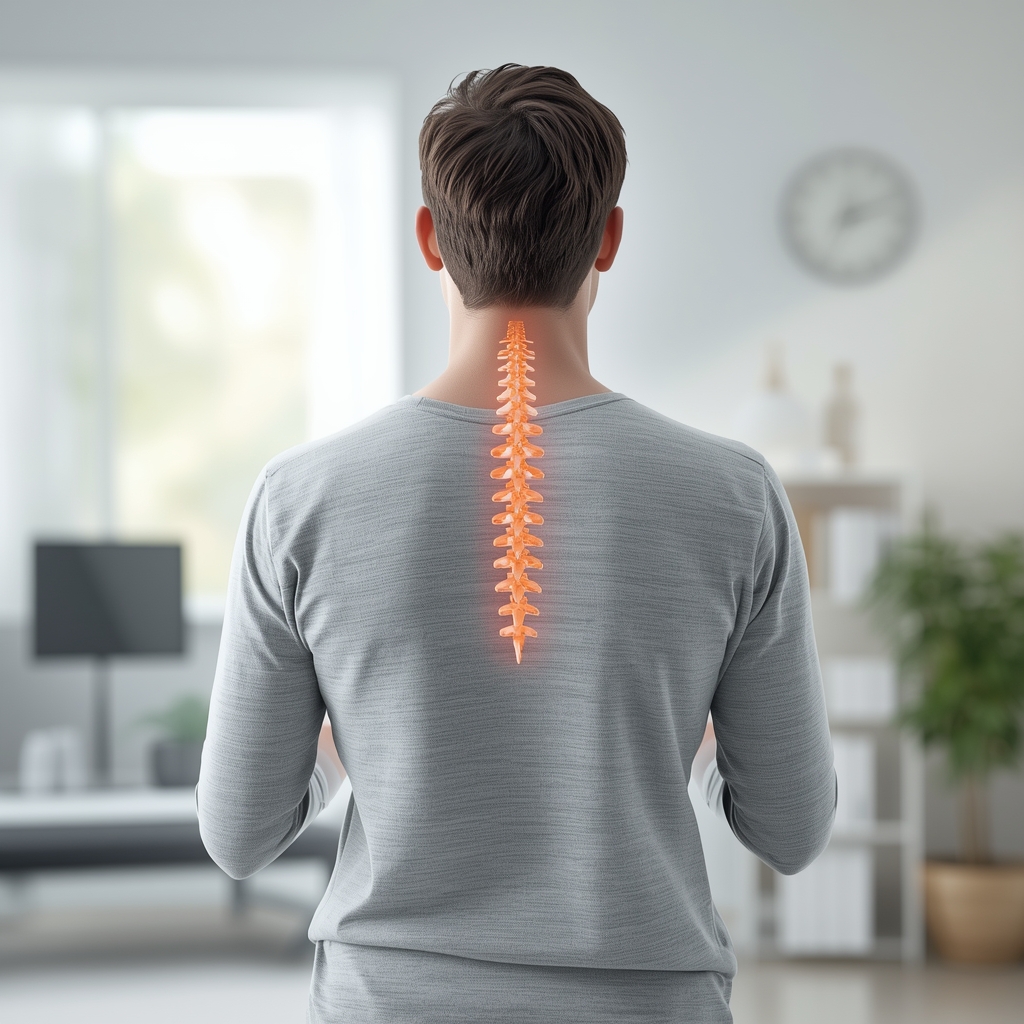
Understanding the Thoracic Spine's Unique Anatomy
The thoracic spine, comprising 12 vertebrae, forms the middle segment of the spinal column and is uniquely structured to balance stability with limited mobility. Unlike the more flexible cervical (neck) and lumbar (lower back) regions, the thoracic spine is anchored by the rib cage, which provides structural support but also restricts movement. This configuration makes it less prone to the hypermobility seen in other spinal areas but more susceptible to misalignment when postural or mechanical stresses disrupt its natural alignment. The thoracic spine’s role in protecting vital organs, such as the heart and lungs, further underscores its importance. Its anatomical design, while effective for protection, can become a liability in sedentary individuals who spend prolonged periods in poor postures, leading to chronic strain on the surrounding muscles and joints.
Structural Vulnerabilities in Sedentary Lifestyles
Sedentary behavior, characterized by prolonged sitting or minimal physical activity, places unique stressors on the thoracic spine. The thoracic region’s limited range of motion means it relies heavily on surrounding musculature for stability. When individuals remain seated for extended periods, the muscles that support the thoracic spine—such as the rhomboids, trapezius, and erector spinae—can weaken, while others, like the pectoralis major, become tight. This imbalance creates a biomechanical strain that may lead to misalignment. Additionally, the rib cage’s fixed attachment to the thoracic vertebrae means any postural shifts, such as slouching, can alter the spine’s natural curvature. Over time, these changes may contribute to conditions like kyphosis or thoracic outlet syndrome, highlighting the need for proactive posture management in sedentary populations.
The Role of Posture in Thoracic Spine Health
Posture plays a critical role in the thoracic spine’s susceptibility to misalignment, especially in sedentary individuals. Poor posture, such as rounded shoulders or a forward head position, places excessive pressure on the thoracic vertebrae and surrounding tissues. This can cause the spine to lose its natural kyphotic curve, leading to discomfort and reduced mobility. Prolonged sitting often exacerbates these issues, as it encourages a slouched position that compresses the thoracic region. The resulting mechanical stress may lead to muscle fatigue, joint stiffness, and even nerve irritation. Furthermore, altered posture can affect the rib cage’s positioning, indirectly influencing thoracic alignment. Addressing postural habits through ergonomic adjustments and targeted exercises can help mitigate these risks, emphasizing the importance of awareness in maintaining spinal health.
Muscle Imbalances and Thoracic Instability
Muscle imbalances are a significant factor in thoracic spine misalignment among sedentary individuals. Prolonged sitting often leads to the overactivation of chest muscles (pectoralis major and minor) while underutilizing the upper back muscles (rhomboids, middle trapezius). This creates a forward-rounded shoulder posture, which pulls the thoracic spine into excessive kyphosis. Additionally, weakened core muscles, which provide essential support for the entire spine, can further destabilize the thoracic region. The resulting asymmetry in muscle tension may cause vertebrae to shift out of alignment, leading to pain and restricted movement. Strengthening the posterior musculature and stretching tight anterior muscles can help restore balance, but professional guidance is often necessary to address chronic imbalances effectively.
The Influence of the Rib Cage on Thoracic Stability
The thoracic spine’s connection to the rib cage is both a strength and a vulnerability. The 12 pairs of ribs attach to the thoracic vertebrae, forming a rigid structure that protects the thoracic cavity. However, this rigid framework also limits the spine’s ability to compensate for postural changes. In sedentary individuals, poor breathing patterns—often characterized by shallow chest breathing—can reduce the rib cage’s natural expansion, further restricting thoracic mobility. This restriction may contribute to stiffness and misalignment, as the spine struggles to adapt to mechanical stresses. Additionally, conditions like thoracic outlet syndrome, which involve compression of nerves or blood vessels near the rib cage, can indirectly affect spinal alignment. Maintaining rib cage mobility through breathing exercises and postural correction is essential for preserving thoracic stability.
Preventive Strategies for Thoracic Spine Health
Maintaining thoracic spine health in sedentary individuals requires a combination of lifestyle adjustments and targeted interventions. Regular movement breaks, such as stretching or walking, can counteract the effects of prolonged sitting and reduce postural strain. Ergonomic adjustments, like using supportive chairs and maintaining proper screen height, also play a vital role in preventing misalignment. Strengthening exercises for the upper back and core muscles can improve stability, while stretching routines can alleviate muscle tightness. Chiropractic care may offer additional benefits by addressing existing misalignments and providing personalized recommendations. However, individuals should consult a qualified chiropractor or healthcare provider to develop a safe and effective plan tailored to their specific needs. Proactive measures can significantly reduce the risk of thoracic spine issues in sedentary populations.













