
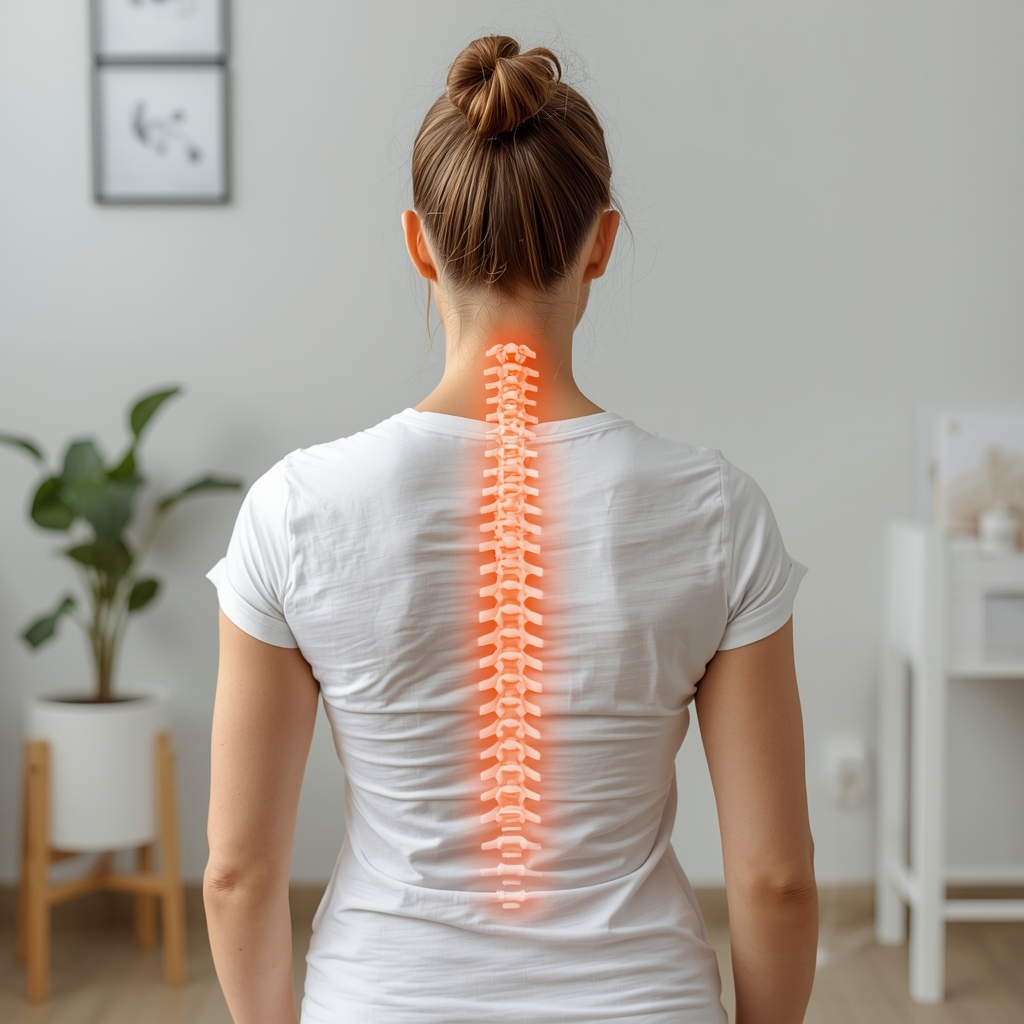
Anatomy of the Thoracic Spine and Its Role in Posture
The thoracic spine consists of 12 vertebrae, each connected to a pair of ribs, forming the posterior wall of the thoracic cavity. This region has a natural kyphotic curve, which provides structural support and protects vital organs. The thoracic spine’s limited range of motion compared to the cervical and lumbar regions makes it less flexible but more stable. However, this stability can also contribute to postural imbalances if the vertebrae become misaligned or if surrounding muscles weaken. The ribcage’s attachment to the thoracic vertebrae further influences posture, as any distortion in this area can affect overall spinal alignment and breathing mechanics.
How Thoracic Spine Features Affect Postural Stability
The thoracic spine’s kyphotic curve is essential for distributing mechanical stress across the torso. When this curve becomes exaggerated (hyperkyphosis), it can lead to a hunched posture, compressing the chest and altering breathing patterns. Additionally, the thoracic vertebrae’s articulation with the ribs means that any misalignment here can create asymmetries in the upper body. For example, a rotated thoracic vertebra may cause one shoulder to appear higher than the other. These imbalances often stem from poor posture, muscle weakness, or repetitive strain, highlighting the spine’s role in maintaining both structural and functional balance.
Common Thoracic Spine-Related Postural Issues
Postural imbalances linked to the thoracic spine include excessive kyphosis, thoracic rotation, and uneven rib positioning. Excessive kyphosis, often called “hunchback,” can result from prolonged sitting or weak core muscles, pulling the shoulders forward. Thoracic rotation may occur due to uneven muscle tension or spinal misalignment, leading to a tilted pelvis or uneven gait. Uneven rib positioning can also disrupt the spine’s natural curve, causing discomfort and reduced mobility. These issues underscore the interconnected nature of the thoracic spine with the rest of the musculoskeletal system, emphasizing the need for targeted interventions to restore balance.
Chiropractic Adjustments for Thoracic Spinal Alignment
Chiropractors address thoracic postural imbalances through manual adjustments to restore proper alignment. These adjustments aim to correct misaligned vertebrae, reduce pressure on nerves, and improve mobility. Techniques such as diversified adjustments or activator methods are commonly used to gently realign the thoracic spine. By addressing subluxations (partial dislocations) in this region, chiropractors can alleviate pain, enhance posture, and improve overall function. However, adjustments are typically part of a broader plan that may include soft tissue work and rehabilitative exercises to ensure long-term stability.
Integrating Soft Tissue and Exercise Therapies
In addition to spinal adjustments, chiropractors often incorporate soft tissue therapies like myofascial release or trigger point therapy to address muscle tightness around the thoracic spine. Tightness in the pectorals, upper trapezius, or rhomboids can exacerbate postural imbalances, so releasing these areas can improve alignment. Complementary exercises, such as thoracic mobility drills or core strengthening, may also be recommended to support long-term postural health. These approaches work synergistically with adjustments to restore balance, emphasizing a holistic strategy for managing thoracic-related postural issues.
When to Seek Professional Evaluation
If postural imbalances persist or cause discomfort, consulting a chiropractor is advisable. A qualified provider can assess the thoracic spine’s structure and function, identifying underlying issues contributing to misalignment. While general recommendations like ergonomic adjustments or stretching may help, individualized care is crucial for addressing specific concerns. Chiropractors can develop tailored plans to correct thoracic imbalances, ensuring safe and effective outcomes. Always seek professional guidance before pursuing any treatment, as improper interventions may worsen existing conditions.













