
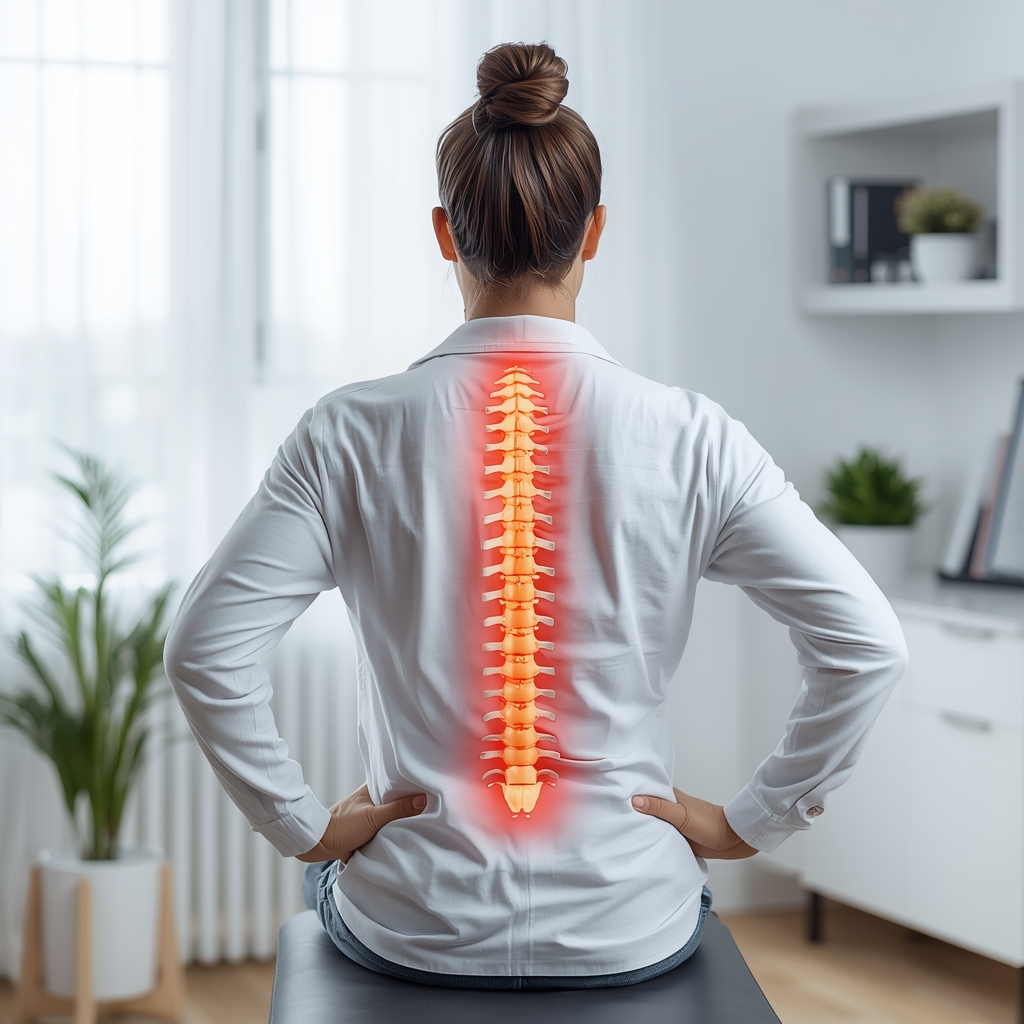
Understanding Cervical Spinal Stenosis
Cervical spinal stenosis occurs when the spinal canal in the neck narrows, compressing the spinal cord or nerves. This can cause pain, numbness, or weakness in the arms, hands, or legs. While surgery is an option for severe cases, many seek non-invasive approaches to manage symptoms. Spinal manipulation, a core chiropractic technique, aims to improve alignment and reduce pressure on affected nerves. However, its effectiveness varies depending on the individual’s condition and the expertise of the provider. It’s crucial to consult a licensed chiropractor to determine if this approach is suitable for your specific situation.
Non-Surgical Management Goals
The primary goals of non-surgical treatments for cervical stenosis are to alleviate pain, improve mobility, and prevent further deterioration. Spinal manipulation is often part of a broader strategy that may include physical therapy, posture correction, and lifestyle adjustments. Chiropractors may use gentle adjustments to realign the cervical spine, potentially reducing nerve compression. While some patients report relief, outcomes depend on factors like the severity of the stenosis and overall spinal health. It’s important to approach these treatments with realistic expectations and under professional guidance to avoid complications.
Spinal Manipulation Techniques for Cervical Stenosis
Chiropractors employ various spinal manipulation techniques to address cervical stenosis, focusing on restoring proper spinal function. Methods like diversified technique, which involves manual adjustments, and flexion-distraction, a gentle approach to decompress the spine, are commonly used. These techniques aim to reduce pressure on nerves and improve range of motion. However, the effectiveness of each method can vary, and not all techniques may be appropriate for every patient. A thorough evaluation by a chiropractor is essential to determine the most suitable approach, ensuring safety and alignment with the individual’s needs.
Complementary Therapies and Approaches
In addition to spinal manipulation, chiropractors may recommend complementary therapies to enhance symptom management. Soft tissue therapies, such as massage or myofascial release, can relieve muscle tension that exacerbates nerve compression. Physical therapy exercises may also strengthen the neck and improve posture, reducing strain on the cervical spine. Some practitioners integrate modalities like heat therapy or electrical stimulation to ease discomfort. While these approaches can support spinal manipulation, they should be part of a coordinated plan developed with a healthcare provider to ensure safety and effectiveness.
When to Consider Surgical Options
If non-surgical treatments fail to provide relief or if symptoms worsen, surgery may be necessary. Procedures like laminectomy or spinal fusion can relieve pressure on the spinal cord or stabilize the spine. However, surgery carries risks and requires significant recovery time. Patients should explore all conservative options before deciding on surgical intervention. A chiropractor can help monitor progress and advise on when to consult a specialist. Open communication with healthcare providers is vital to making informed decisions that align with individual health goals and circumstances.
Consulting a Qualified Chiropractor
For individuals with cervical spinal stenosis, working with a licensed chiropractor is essential. A qualified provider can assess the condition, develop a personalized care plan, and monitor progress over time. They will consider factors like the severity of the stenosis, overall health, and treatment preferences to guide recommendations. While spinal manipulation may offer symptom relief, it’s not a cure and should be part of a comprehensive approach. Patients should ask questions, understand potential risks, and ensure their care team is aligned with their goals for long-term wellness.











