
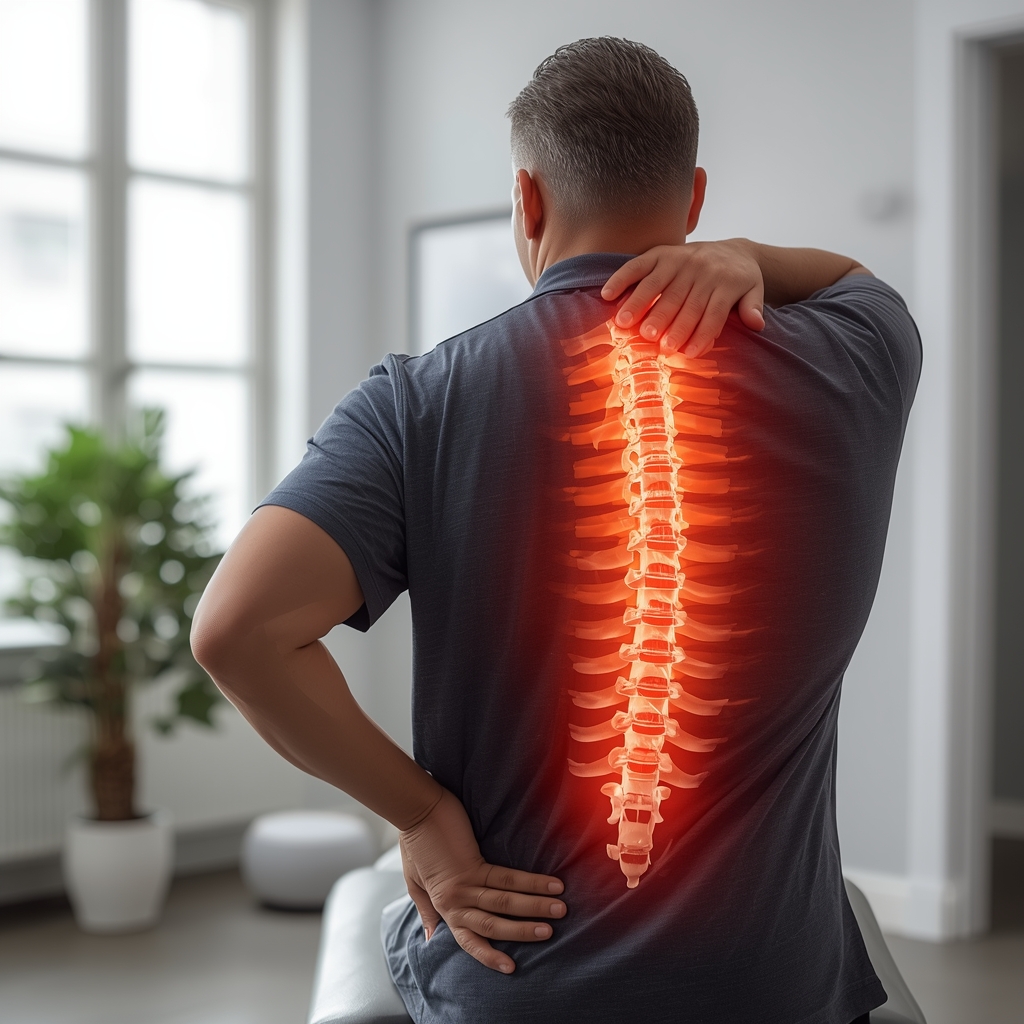
Understanding Combat-Related Spinal Injuries in Veterans
Combat-related spinal injuries often result from trauma, explosions, or high-impact events, leading to chronic pain, reduced mobility, and long-term functional limitations. These injuries may involve fractures, disc damage, or nerve compression, requiring specialized care. Veterans frequently face unique challenges, such as post-traumatic stress and complex pain syndromes, which complicate recovery. Chiropractic care offers non-invasive options to address these issues, focusing on alignment, mobility, and pain reduction. However, treatment plans must account for the severity and complexity of each case. A qualified chiropractor with experience in military-related injuries can develop a tailored approach, combining techniques like spinal adjustments and soft tissue therapy. Open communication between the patient and provider is essential to ensure safety and effectiveness.
Spinal Manipulation and Adjustments
Spinal manipulation, a core chiropractic technique, involves manual adjustments to realign the spine and relieve pressure on nerves. For veterans with combat-related spinal injuries, this method may help reduce pain and improve mobility by restoring proper joint function. Adjustments can also alleviate muscle tension and enhance overall spinal stability. However, the approach must be modified to accommodate prior surgeries, hardware, or fragile tissues common in combat injuries. Chiropractors often use gentle, low-force techniques to minimize risk. While research on specific outcomes for veterans is limited, many practitioners report positive results when adjustments are part of a broader treatment strategy. Patients should discuss their medical history thoroughly to ensure the technique is safe and appropriate for their condition.
Soft Tissue Therapies and Myofascial Release
Soft tissue therapies, such as myofascial release and Active Release Technique (ART), target muscle tension, scar tissue, and restricted movement that contribute to chronic pain. Combat injuries often lead to compensatory movement patterns and muscle imbalances, which these therapies can address. By improving blood flow and reducing inflammation, these methods may enhance recovery and reduce discomfort. Chiropractors may combine soft tissue work with spinal adjustments for a holistic approach. Veterans with complex injuries may benefit from customized protocols that avoid aggravating existing conditions. While evidence is anecdotal, many patients find these techniques helpful when integrated into a comprehensive care plan. A qualified provider can determine the best application based on individual needs and injury history.
Decompression Therapy for Disc-Related Pain
Spinal decompression therapy uses mechanical traction to relieve pressure on herniated or bulging discs, which are common in combat-related spinal injuries. This non-surgical option may reduce nerve compression and alleviate radiating pain, such as sciatica. The therapy involves gentle stretching of the spine, often combined with heat or electrical stimulation. Veterans experiencing chronic disc-related pain may find decompression therapy beneficial, especially when traditional methods fail. However, its effectiveness varies, and it is not suitable for all conditions, such as severe osteoporosis or spinal instability. A chiropractor can assess eligibility and design a treatment schedule. Patients should view this as one of many tools to manage pain, alongside lifestyle adjustments and other therapies.
Integrative Approaches and Multimodal Care
Chronic pain management for veterans often requires a multimodal approach, combining chiropractic techniques with other therapies. Physical therapy, acupuncture, and exercise programs may complement chiropractic care, addressing both structural and functional aspects of recovery. For example, corrective exercises can strengthen core muscles, improving spinal support. Chiropractors may also collaborate with pain specialists or mental health professionals to address the holistic needs of veterans. This integrated model acknowledges the complex interplay of physical, emotional, and psychological factors in chronic pain. While no single technique works for everyone, a personalized plan can maximize benefits. Veterans should work closely with their care team to explore options and monitor progress over time.
Consulting a Qualified Chiropractor for Personalized Care
Every veteran’s injury and recovery journey is unique, making it crucial to consult a chiropractor with expertise in military-related conditions. A thorough evaluation, including medical history and imaging reports, ensures safe and effective treatment. Providers should avoid rigid protocols, instead adapting techniques to the patient’s specific needs and limitations. Open dialogue between the veteran and chiropractor fosters trust and improves outcomes. Patients should ask about the provider’s experience with combat injuries and request clear explanations of proposed treatments. While chiropractic care can be a valuable component of pain management, it is not a substitute for medical advice. Veterans should coordinate care with their primary healthcare team to achieve the best results.













