
The Role of Spinal Adjustments in Nervous System Function
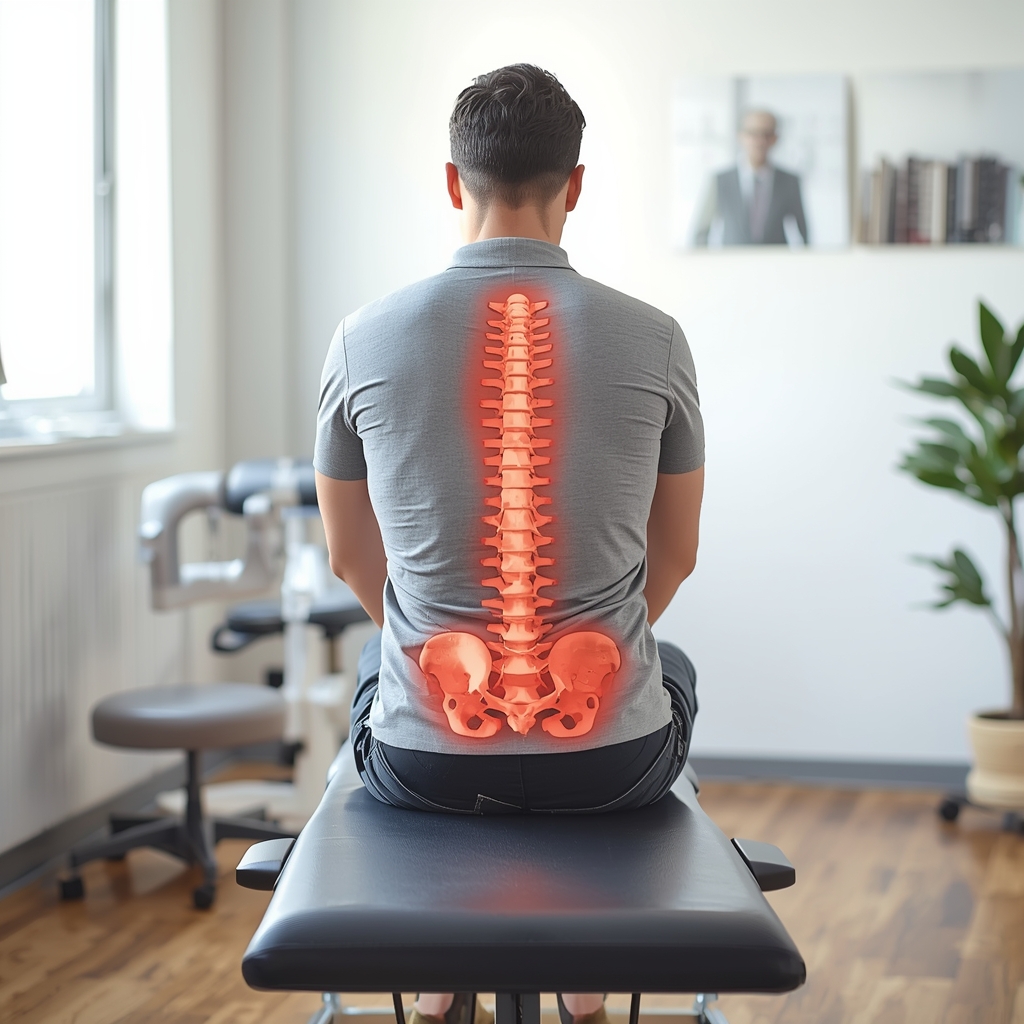
Spinal adjustments aim to restore proper alignment and function to the spine, which plays a critical role in nervous system health. The spine houses and protects the spinal cord, a key pathway for nerve signals traveling between the brain and the body. Misalignments, or subluxations, can disrupt these signals, potentially affecting muscles, joints, and soft tissues throughout the body, including the feet. While plantar fasciitis primarily involves inflammation of the foot’s connective tissue, nerve interference from spinal issues may contribute to pain patterns or muscle imbalances that exacerbate symptoms. Chiropractors evaluate spinal health to identify potential disruptions that could indirectly influence foot mechanics and recovery.
Postural Corrections and Lower Body Mechanics
Posture significantly impacts how weight and force are distributed across the lower body. Poor posture, such as excessive forward head positioning or an imbalanced pelvis, can alter gait patterns and place undue stress on the feet. For example, a misaligned pelvis may cause one leg to appear shorter than the other, leading to uneven pressure on the plantar fascia. Correcting postural imbalances through targeted adjustments and exercises can help realign the body, reducing strain on the feet and improving overall biomechanics. Chiropractors often address postural issues as part of a holistic approach to managing conditions like plantar fasciitis, ensuring the body functions in harmony.
Lower Body Mechanics and the Biomechanical Chain
The body operates as a kinetic chain, where movement in one area affects others. A dysfunction in the spine or pelvis can create compensatory patterns that ripple down to the feet. For instance, restricted motion in the lumbar spine may limit hip mobility, altering how weight is transferred during walking or standing. Over time, these changes can overload the plantar fascia, worsening pain. By addressing spinal and postural imbalances, chiropractors help restore natural movement patterns, reducing stress on the feet and supporting long-term relief. This approach emphasizes treating the root cause rather than just symptoms.
How Spinal Adjustments May Influence Foot Pain
While direct evidence linking spinal adjustments to plantar fasciitis is limited, many patients report improved foot pain after spinal care. Adjustments can alleviate nerve irritation, reduce muscle tension, and enhance joint mobility, which may indirectly support foot health. For example, correcting thoracic spine stiffness could improve diaphragm function, influencing overall posture and lower body mechanics. Additionally, spinal realignment may reduce inflammation in adjacent areas, potentially easing referred pain. However, these effects vary by individual, and a chiropractor can assess whether spinal care aligns with a patient’s specific needs and goals.
Integrating Spinal Care with Foot-Specific Treatments
Managing plantar fasciitis often requires a multifaceted approach. Spinal adjustments and postural corrections complement other treatments like stretching, orthotics, and physical therapy. For instance, while stretching the plantar fascia and calves addresses local tightness, spinal care may resolve underlying biomechanical issues contributing to the condition. Chiropractors may also recommend exercises to strengthen core and lower body muscles, further stabilizing the body and reducing foot strain. This integrative strategy ensures that both direct and indirect factors are addressed, promoting more comprehensive and lasting relief.
Consulting a Chiropractor for Personalized Care
Each individual’s body is unique, and the relationship between spinal health, posture, and foot pain varies. A chiropractor can perform a thorough evaluation to determine if spinal adjustments or postural corrections may benefit plantar fasciitis symptoms. They may also collaborate with other healthcare providers to create a tailored care plan. While spinal care is not a standalone solution for plantar fasciitis, it can be a valuable component of a broader strategy. Patients are encouraged to discuss their symptoms and goals with a qualified chiropractor to explore how these approaches might support their recovery journey.















