
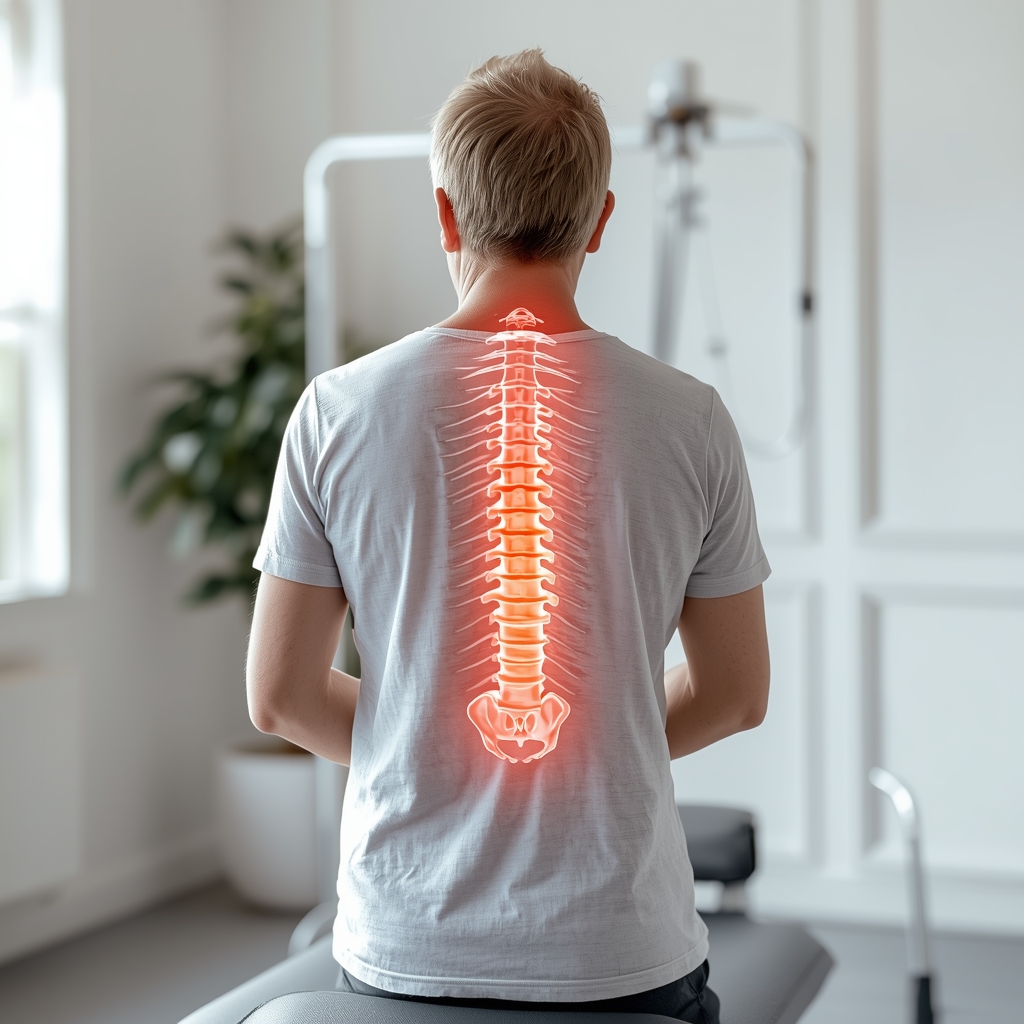
Non-Surgical Chiropractic Approaches for Degenerative Disc Disease: How They Compare to Physical Therapy
## Understanding Degenerative Disc Disease and Non-Surgical Options
Degenerative disc disease (DDD) involves the gradual breakdown of spinal discs, often causing pain and reduced mobility. While surgery is an option, many seek non-surgical approaches to manage symptoms. Chiropractic care and physical therapy are two common strategies, focusing on pain relief, function improvement, and slowing progression. Both aim to address underlying issues like spinal misalignment or muscle weakness, but they differ in techniques and goals. Patients often explore these methods to avoid invasive procedures, emphasizing conservative, holistic care. Understanding their roles helps individuals make informed decisions about their treatment paths.
## Chiropractic Approaches for Degenerative Disc Disease
Chiropractic care for DDD typically includes spinal adjustments, decompression therapy, and soft tissue techniques. Spinal adjustments aim to restore proper alignment, reducing pressure on nerves and discs. Decompression therapy uses gentle traction to alleviate disc compression, potentially easing pain and improving mobility. Soft tissue methods, such as Active Release Technique (ART), target muscle tension and adhesions that may exacerbate symptoms. These approaches focus on enhancing spinal function and reducing inflammation. Many patients report improved comfort and flexibility, though results vary. Chiropractors tailor treatments to individual needs, prioritizing non-invasive solutions to support the body’s natural healing processes.
## Physical Therapy Strategies for Managing DDD
Physical therapy for DDD emphasizes strengthening, flexibility, and posture correction. Therapists design personalized exercise programs to stabilize the spine, improve core strength, and enhance range of motion. Manual therapy, such as joint mobilization, may relieve stiffness and pain. Modalities like heat, cold, or electrical stimulation can reduce inflammation and muscle spasms. Education on ergonomics and movement patterns helps prevent further disc degeneration. Physical therapy also addresses compensatory behaviors that strain the spine. By combining active exercises with hands-on care, this approach aims to restore function and minimize disability, often serving as a first-line treatment for DDD.
## Comparing Chiropractic and Physical Therapy for DDD
Both chiropractic care and physical therapy offer non-surgical relief for DDD but differ in focus and methods. Chiropractic care prioritizes spinal alignment and nerve function, while physical therapy emphasizes musculoskeletal strength and mobility. Studies suggest both can effectively reduce pain and improve function, though evidence varies by technique. Chiropractic adjustments may provide quicker symptom relief, whereas physical therapy builds long-term resilience. Some patients benefit from combining both approaches, leveraging their complementary strengths. Individual response plays a key role, making it essential to consult a qualified provider to determine the most suitable plan for specific needs and goals.
## Synergistic Benefits of Combined Care
Integrating chiropractic and physical therapy can enhance outcomes for DDD by addressing multiple aspects of the condition. Chiropractic adjustments may improve spinal alignment, while physical therapy strengthens supporting muscles, creating a balanced approach. This synergy can reduce pain, improve mobility, and slow degeneration. For example, decompression therapy might relieve disc pressure, while targeted exercises stabilize the spine. Patients often report greater relief when both modalities are used together. However, coordination between providers is crucial to avoid conflicting treatments. A collaborative approach ensures a comprehensive strategy, maximizing benefits while minimizing risks.
## Making Informed Choices for DDD Management
Choosing between chiropractic care and physical therapy for DDD depends on individual needs, preferences, and symptom severity. Both methods offer non-surgical alternatives with proven benefits, but their effectiveness varies. Patients should consult licensed professionals to explore options and develop a personalized plan. Open communication with healthcare providers ensures treatments align with overall health goals. While neither approach guarantees complete symptom elimination, they provide valuable tools for managing DDD. Prioritizing evidence-based practices and regular follow-ups helps optimize outcomes and maintain quality of life.













