
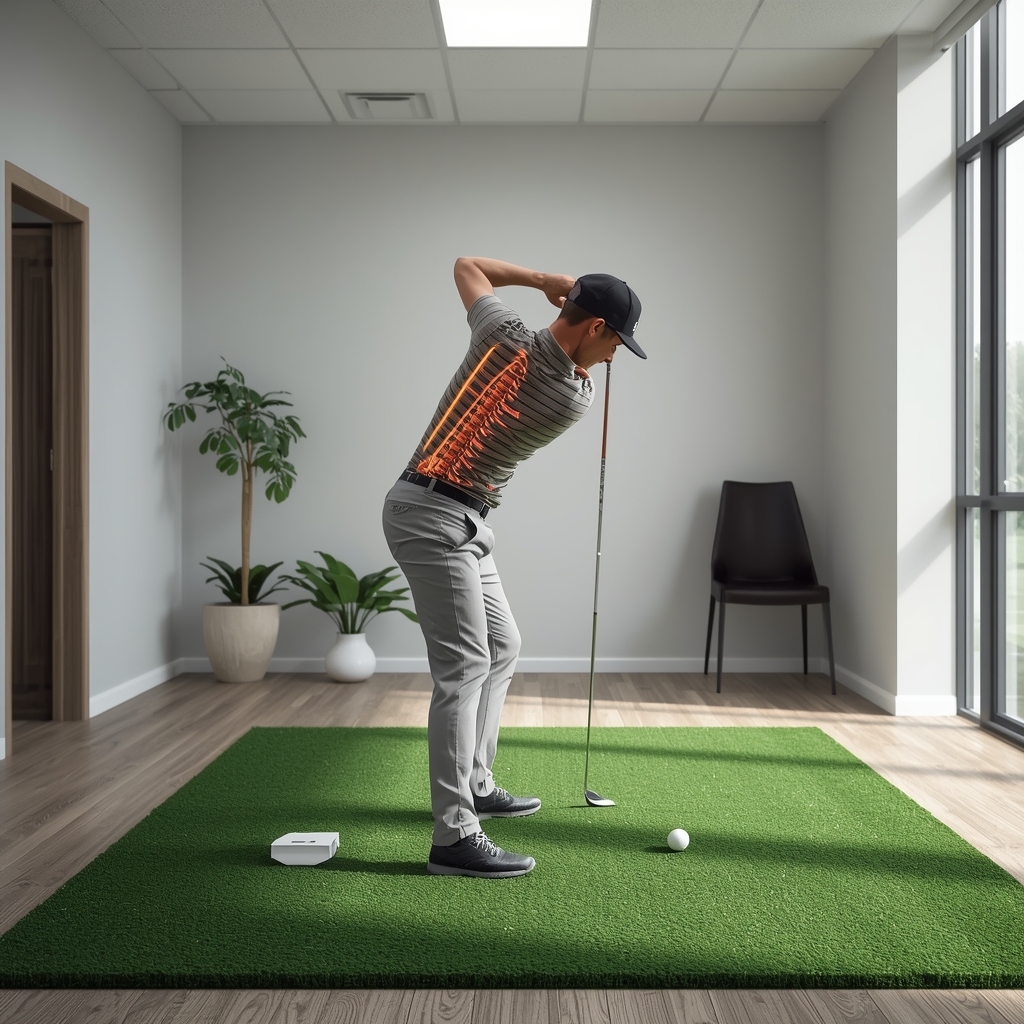
Understanding the Biomechanics of Golf and Its Impact on the Body
Golf involves repetitive, rotational movements that place unique demands on the spine, shoulders, and hips. The swing motion requires coordinated flexibility, core stability, and proper joint alignment. Over time, these motions can lead to muscle imbalances, reduced range of motion, or compensatory patterns that increase injury risk. Common issues include lower back strain, shoulder impingement, and hip stiffness. Chiropractic care addresses these challenges by evaluating how a golfer’s body mechanics interact with their sport-specific movements. By identifying and correcting misalignments, chiropractors help restore optimal function, reducing the likelihood of overuse injuries and enhancing overall performance. This proactive approach ensures the body can handle the physical stresses of golf without compromising long-term mobility.
Common Injuries in Golfers and How Chiropractic Care Helps Prevent Them
Golfers often experience injuries due to the sport’s repetitive nature and the force generated during swings. Lower back pain is the most prevalent, stemming from improper weight transfer or excessive spinal rotation. Shoulder and elbow injuries, such as tendinitis, can also occur from repeated motion. Chiropractic care focuses on preventing these issues by maintaining joint mobility and muscle balance. Regular adjustments can alleviate pressure on nerves and joints, while soft tissue therapies reduce inflammation and tension. By addressing minor imbalances before they escalate, chiropractors help golfers avoid chronic pain and maintain consistent performance. This preventive strategy is especially valuable for players who train or compete frequently, as it minimizes downtime and supports long-term athletic longevity.
Spinal Adjustments and Their Role in Enhancing Golf Performance
Spinal adjustments are a cornerstone of chiropractic care, directly impacting a golfer’s ability to generate power and maintain control. Proper spinal alignment ensures efficient nerve communication between the brain and muscles, which is critical for coordination and strength. Misalignments, or subluxations, can disrupt this flow, leading to reduced swing efficiency or increased injury risk. Chiropractors use precise adjustments to correct these issues, restoring natural movement patterns. For golfers, this can translate to a more fluid swing, improved balance, and greater flexibility. Additionally, adjustments can relieve pressure on spinal discs and nerves, reducing pain and enhancing overall body function. By prioritizing spinal health, golfers can optimize their physical capabilities and perform at their best.
Soft Tissue Techniques for Golfers’ Recovery and Flexibility
Soft tissue therapies, such as Active Release Technique (ART) and myofascial release, play a vital role in a golfer’s recovery and flexibility. These methods target tight muscles, adhesions, and restricted fascia that can hinder movement and contribute to injury. For example, tight hip flexors or hamstrings can limit a golfer’s rotational range, increasing strain on the lower back. Chiropractors use these techniques to break down scar tissue, improve circulation, and restore normal muscle function. By maintaining muscle elasticity and joint mobility, golfers can execute swings with greater ease and reduce the risk of strains. These therapies are often combined with stretching and corrective exercises to ensure lasting benefits, making them an essential component of a golfer’s wellness routine.
Rehabilitation Strategies for Golf-Related Injuries
When injuries occur, chiropractic care offers targeted rehabilitation strategies to support recovery. This may include customized exercise programs, joint mobilization, and progressive strength training to restore function. For instance, a golfer with a shoulder injury might benefit from specific rotator cuff exercises to rebuild stability and range of motion. Chiropractors also emphasize proper biomechanics during the recovery phase, ensuring that movement patterns do not exacerbate the injury. By integrating manual therapies with therapeutic exercises, chiropractors help golfers return to the course safely and efficiently. This holistic approach not only accelerates healing but also reduces the likelihood of re-injury, enabling a smoother transition back to regular play.
The Importance of Personalized Chiropractic Care for Golfers
Every golfer has unique biomechanics, swing styles, and injury histories, making personalized chiropractic care essential. A qualified chiropractor will conduct a thorough assessment to identify individual needs and develop a tailored plan. This may involve gait analysis, range-of-motion tests, and posture evaluations to create a comprehensive strategy. By addressing specific concerns—such as hip mobility or spinal alignment—chiropractors can optimize a golfer’s performance while minimizing injury risk. Regular follow-ups ensure adjustments and therapies evolve with the golfer’s progress. This individualized approach empowers players to maintain peak physical condition, whether they’re competing professionally or playing recreationally.












