
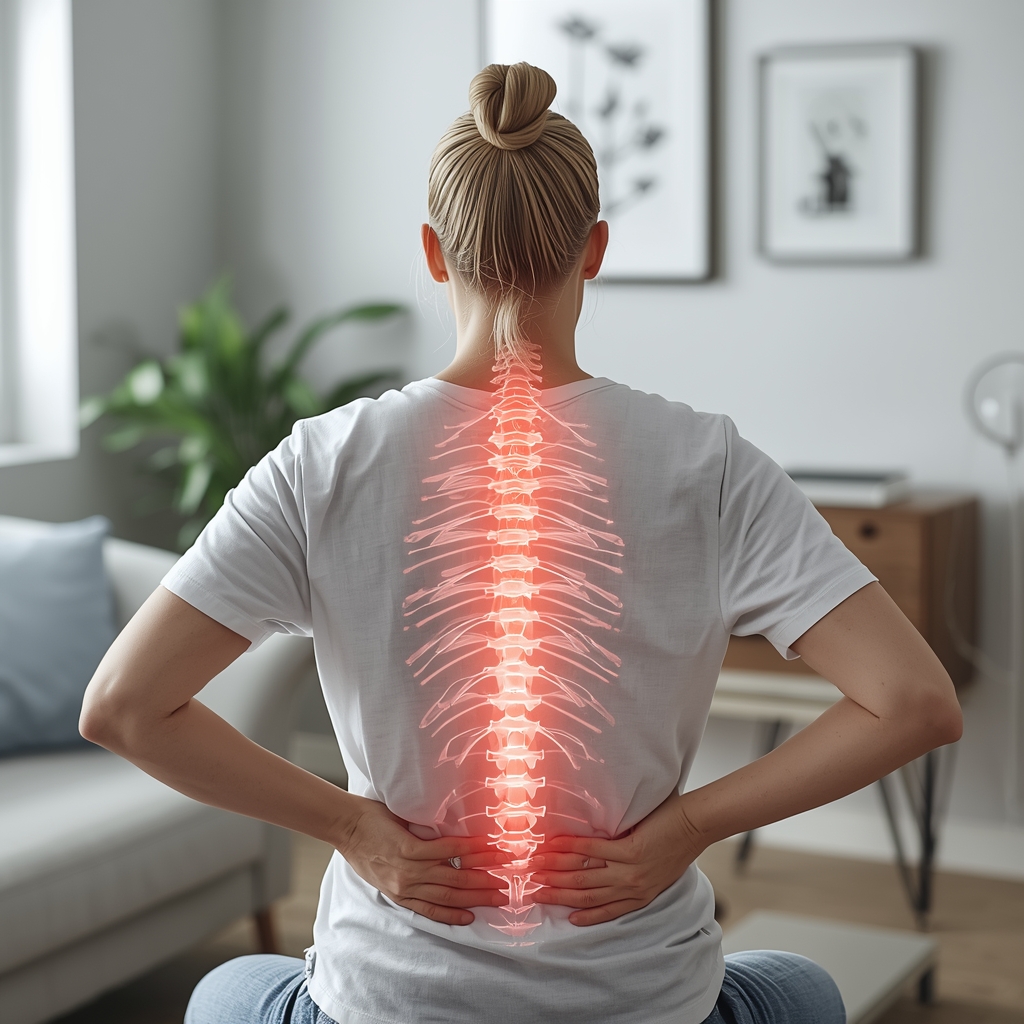
Non-Invasive Chiropractic Approaches to Chronic Pain Management
Chronic pain affects millions, often leading to reliance on opioids for relief. Non-invasive chiropractic techniques offer alternative solutions by addressing root causes of discomfort without medication. These methods focus on musculoskeletal alignment, nerve function, and soft tissue health to reduce pain and improve mobility. Chiropractors use a variety of tools and strategies tailored to individual needs, emphasizing holistic care. While results vary, many patients report significant improvements in pain levels and quality of life. Always consult a licensed chiropractor to determine the most appropriate approach for your condition.
Spinal Adjustments and Manipulation
Spinal adjustments, a cornerstone of chiropractic care, involve manual or instrument-assisted realignment of vertebrae. This technique aims to correct misalignments (subluxations) that may compress nerves or restrict movement, contributing to chronic pain. By restoring proper spinal function, adjustments can alleviate pressure on nerves and muscles, reducing inflammation and pain. Studies suggest that regular adjustments may improve outcomes for conditions like lower back pain and headaches. However, effectiveness depends on the specific diagnosis and treatment plan. A chiropractor will evaluate your condition before recommending this or other techniques.
Soft Tissue Therapy and Myofascial Release
Soft tissue therapy targets muscles, tendons, and ligaments to relieve tension and improve flexibility. Techniques like myofascial release involve sustained pressure on tight areas to break up adhesions and restore normal function. This approach is particularly useful for pain caused by muscle imbalances, repetitive strain, or postural issues. By reducing muscle stiffness and enhancing blood flow, soft tissue therapy can decrease pain and speed recovery. Many chiropractors combine this with other modalities for comprehensive care. Discuss with your provider to determine if this method suits your specific needs.
Decompression Therapy for Spinal Relief
Spinal decompression therapy uses gentle traction to relieve pressure on discs and nerves, often used for conditions like herniated discs or sciatica. This non-surgical technique can reduce pain by creating space between vertebrae, allowing discs to rehydrate and nerves to heal. It may also decrease inflammation and improve mobility. While not suitable for all patients, decompression therapy is generally safe when performed by a trained professional. Results vary, and multiple sessions are typically needed. A chiropractor will assess your eligibility and design a personalized treatment schedule.
Cold Laser Therapy for Inflammation and Pain
Cold laser therapy, or low-level laser therapy (LLLT), uses specific light wavelengths to stimulate cellular function and reduce inflammation. This non-invasive method is often used for musculoskeletal pain, arthritis, and soft tissue injuries. It may enhance healing by increasing ATP production in cells and reducing oxidative stress. Patients typically experience minimal discomfort during treatment, and sessions are short. While research supports its efficacy for certain conditions, outcomes depend on factors like pain severity and duration. Consult your chiropractor to explore whether cold laser therapy aligns with your treatment goals.
Integrative Approaches and Patient-Centered Care
Chiropractic care often integrates multiple techniques to address chronic pain holistically. This may include exercise recommendations, ergonomic adjustments, and lifestyle modifications alongside manual therapies. Patient education is key, empowering individuals to manage symptoms through self-care practices. Chiropractors may also collaborate with other healthcare providers to create a coordinated plan. While no single approach works for everyone, a personalized strategy can maximize benefits. Always discuss your medical history and preferences with your chiropractor to ensure safe, effective care.













