
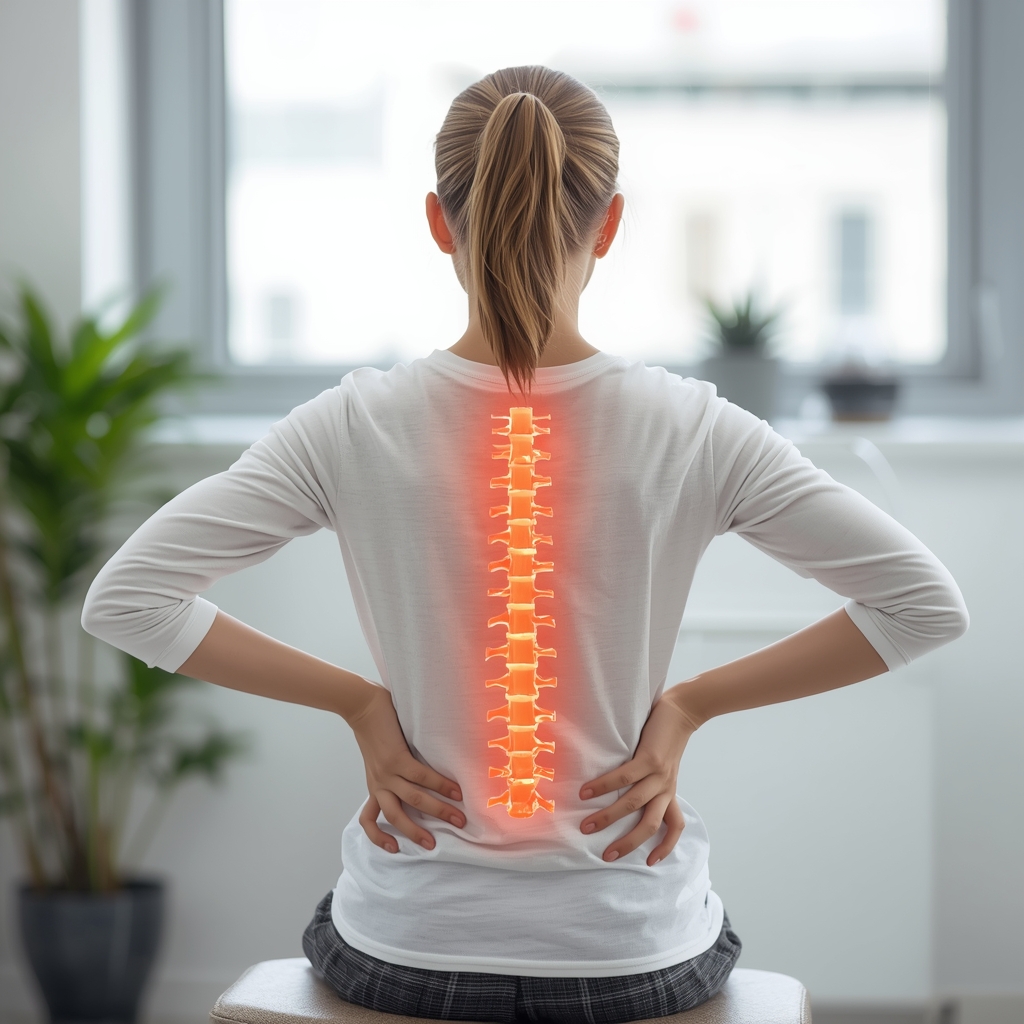
Understanding Non-Invasive Approaches for Early-Stage Scoliosis
Early-stage scoliosis in adolescents involves abnormal spinal curvature that may progress if left unaddressed. Non-invasive chiropractic techniques focus on managing symptoms and slowing progression through gentle interventions. These methods prioritize spinal alignment, muscle balance, and posture correction. While bracing and surgery are common medical options, chiropractic care offers alternative strategies to support spinal health. Regular monitoring by a qualified provider is essential to assess changes and adjust treatment plans. Patients and families should understand that these techniques aim to complement, not replace, conventional medical advice. Open communication with healthcare professionals ensures a comprehensive approach to managing scoliosis effectively.
Spinal Adjustments and Manual Therapy
Spinal adjustments, a cornerstone of chiropractic care, involve precise manipulations to improve spinal alignment and reduce pressure on nerves. For adolescents with early-stage scoliosis, these adjustments may help alleviate discomfort and promote better posture. Techniques like diversified thrusts or flexion-distraction aim to restore mobility in restricted areas of the spine. While research on their direct impact on scoliosis progression is limited, many practitioners report improved function and reduced pain. It’s important to note that adjustments should be performed by licensed professionals to ensure safety. Combined with other therapies, spinal manipulations may contribute to a holistic management plan for young patients.
Corrective Exercises and Posture Training
Targeted corrective exercises play a vital role in managing scoliosis by strengthening weak muscles and improving spinal balance. Techniques such as the Schroth method or Pilates-based routines focus on retraining posture and enhancing core stability. These exercises are often customized to address specific curvature patterns in adolescents. By promoting symmetrical muscle engagement, they may help reduce spinal strain and support long-term alignment. Chiropractors frequently collaborate with physical therapists to design individualized programs. Consistency is key, as regular practice can reinforce proper movement patterns. While not a standalone solution, these exercises complement other non-invasive strategies to support spinal health in growing patients.
Soft Tissue Therapies and Myofascial Release
Soft tissue therapies, including massage and myofascial release, address muscle tension and imbalances that may exacerbate scoliosis. These techniques target tight or restricted muscles around the spine, improving flexibility and reducing discomfort. By releasing adhesions in fascia, they can enhance range of motion and support better posture. Chiropractors may use tools like foam rollers or instruments to apply pressure to specific areas. While not a primary treatment for spinal curvature, these therapies can alleviate secondary symptoms and prepare the body for other interventions. When integrated into a broader care plan, soft tissue work may contribute to overall spinal function and patient comfort.
The Role of Regular Monitoring and Follow-Up
Consistent evaluation by a chiropractor is critical for tracking scoliosis progression and adjusting treatment strategies. Regular checkups allow providers to assess changes in spinal curvature and response to interventions. This proactive approach ensures that non-invasive techniques remain effective as the adolescent grows. Monitoring also helps identify when additional medical input, such as orthopedic consultation, may be necessary. Patients and families should maintain open dialogue with their care team to address concerns promptly. By combining chiropractic care with periodic assessments, adolescents can receive tailored support to manage their condition effectively over time.
Collaborative Care for Optimal Outcomes
Managing early-stage scoliosis requires a multidisciplinary approach that integrates chiropractic care with other healthcare services. Chiropractors often work alongside orthopedic specialists, physical therapists, and pediatricians to create comprehensive treatment plans. This collaboration ensures that non-invasive techniques align with medical guidelines and patient needs. Families should prioritize communication among all providers to avoid conflicting recommendations. While chiropractic methods can address musculoskeletal factors, they should not replace necessary medical evaluations. A coordinated effort empowers adolescents to navigate their condition with confidence, supporting both physical and emotional well-being throughout their treatment journey.














