
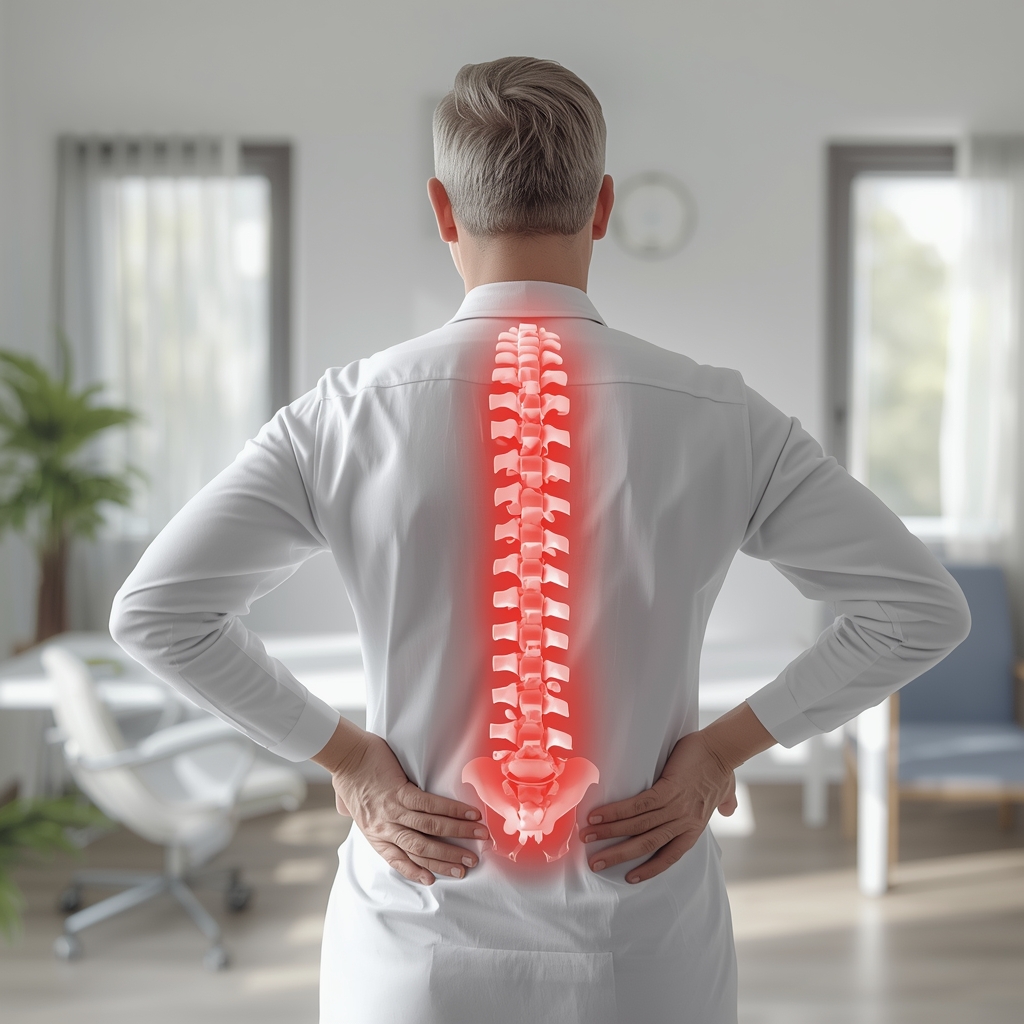
Understanding Sciatica and Non-Invasive Treatment Options
Sciatica, characterized by pain radiating along the sciatic nerve, often stems from spinal compression or irritation. While traditional treatments may involve medications or surgery, non-invasive chiropractic approaches offer alternatives that prioritize natural healing. These methods focus on reducing nerve pressure, improving mobility, and addressing underlying musculoskeletal imbalances. By avoiding drugs and invasive procedures, patients can explore safer, holistic solutions. Understanding these options helps individuals make informed choices about their care, especially when seeking opioid-free pain management strategies.
Spinal Adjustments and Nerve Decompression
Chiropractic adjustments are a cornerstone of non-invasive sciatica treatment. By realigning the spine, chiropractors aim to relieve pressure on the sciatic nerve, which can reduce pain and inflammation. Techniques like spinal manipulation target misalignments (subluxations) that contribute to nerve irritation. This approach contrasts with traditional medical interventions, which might rely on corticosteroid injections or surgical decompression. While adjustments are generally safe, their effectiveness varies based on individual conditions. Patients often report improved mobility and reduced discomfort after consistent care, making this a popular choice for those seeking drug-free relief.
Decompression Therapy for Nerve Relief
Spinal decompression therapy is another non-invasive option that gently stretches the spine to alleviate pressure on compressed nerves. This technique is often used for conditions like herniated discs, which can cause sciatica. Unlike surgery, decompression therapy is non-surgical and typically involves a series of sessions. It works by creating negative pressure in the discs, which may help reposition bulging material and reduce nerve irritation. While traditional treatments might include pain medications or epidural injections, decompression offers a targeted, drug-free approach. Many patients find this method effective for long-term pain management, though results depend on the severity of their condition.
Soft Tissue Therapies and Muscle Relaxation
Soft tissue therapies, such as massage or myofascial release, address muscle tension that can exacerbate sciatica. Tight muscles in the lower back, hips, or legs may contribute to nerve compression, so relieving these areas can provide significant relief. Chiropractors often combine these techniques with spinal adjustments to enhance outcomes. In contrast, traditional treatments might focus on medication to manage pain or physical therapy to strengthen muscles. While both approaches have merits, soft tissue therapies offer a more immediate, hands-on solution. Patients frequently report reduced pain and improved flexibility after these sessions, making them a valuable component of non-invasive care.
Exercise and Rehabilitation Strategies
Corrective exercises and rehabilitation programs are essential for long-term sciatica management. These strategies focus on strengthening core muscles, improving posture, and increasing flexibility to prevent future flare-ups. Chiropractors often design personalized exercise plans to address specific weaknesses or imbalances. Traditional treatments may include physical therapy, which shares similar goals but may emphasize passive modalities like heat or electrical stimulation. Non-invasive chiropractic approaches prioritize active participation, empowering patients to take control of their recovery. By integrating movement into their routine, individuals can reduce dependency on medications and achieve more sustainable results.
Comparing Non-Invasive and Traditional Treatments
Non-invasive chiropractic care offers a range of benefits compared to traditional medical treatments. While medications and surgeries can provide relief, they often come with risks like side effects or recovery periods. Chiropractic methods, such as adjustments, decompression, and soft tissue therapies, focus on addressing the root causes of sciatica without invasive procedures. However, the effectiveness of these approaches varies, and patients should consult a qualified provider to determine the best plan. Traditional treatments may still be necessary for severe cases, but for many, non-invasive options provide a safer, more holistic alternative. Ultimately, the choice depends on individual needs and the guidance of healthcare professionals.














