
Preparation is Key
Successful video interviews begin with thorough preparation. Research the chiropractic expert’s background, specialties, and recent contributions to the field. Understand their professional journey and any notable achievements to frame questions effectively. Familiarize yourself with the target audience—whether they are patients, fellow practitioners, or students—to tailor the interview’s focus. Develop a clear outline of discussion topics, ensuring alignment with the interview’s purpose, such as explaining chiropractic principles or sharing patient care insights. This groundwork builds credibility and ensures the conversation remains relevant and engaging. Avoid last-minute changes to the structure, as consistency fosters a professional tone and keeps viewers invested.
Crafting Engaging Questions
Open-ended questions are essential for eliciting detailed, informative responses. Avoid yes/no queries; instead, ask for examples, experiences, or opinions. For instance, rather than asking, “Do you recommend spinal adjustments?” frame it as, “How do you approach spinal adjustments for different patient conditions?” This encourages the expert to share practical knowledge. Balance technical and general questions to cater to both novice and experienced viewers. Transition smoothly between topics by linking questions to previous answers. Allow pauses for reflection to let the expert elaborate without feeling rushed. This approach not only deepens the content but also makes the interview feel natural and conversational.
Creating a Comfortable Environment
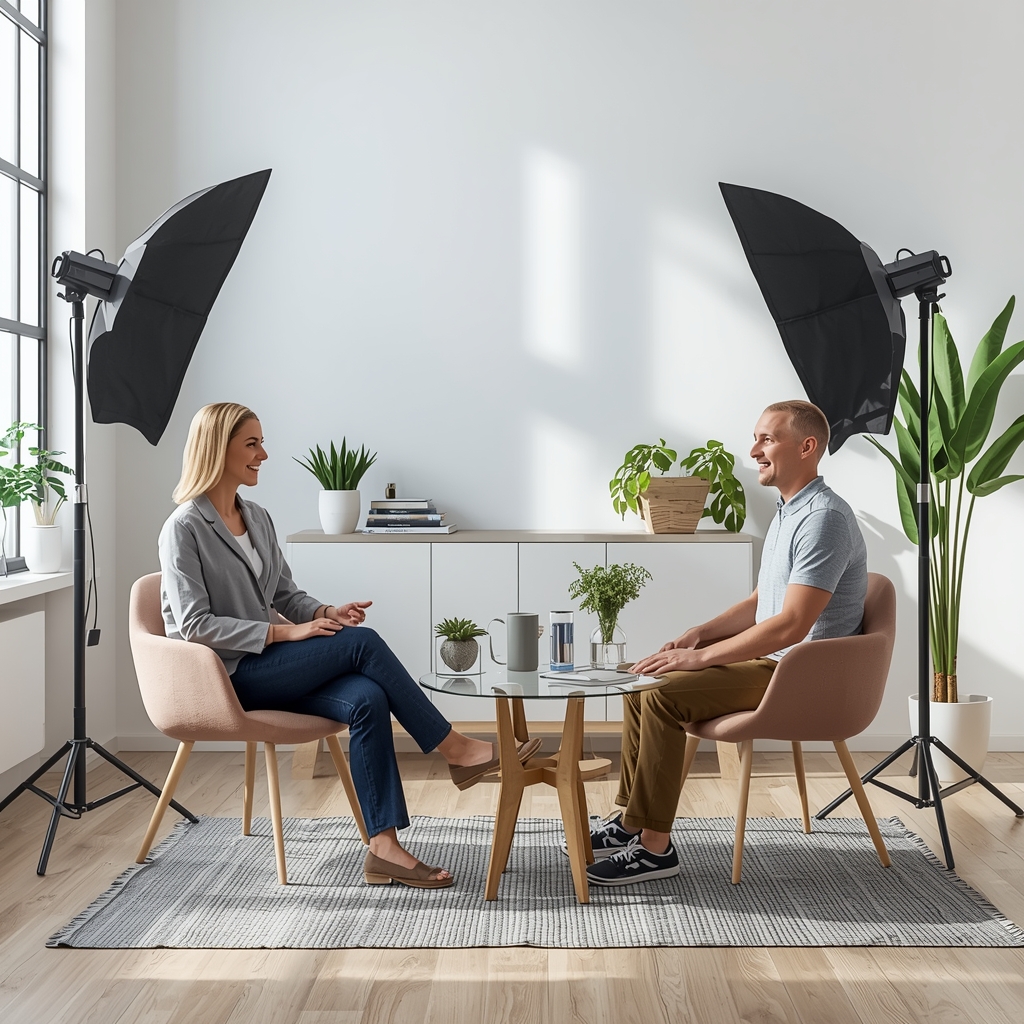
A relaxed atmosphere helps experts share insights more freely. Ensure the interview setting is well-lit, quiet, and free from distractions. Use a high-quality microphone and camera to maintain professionalism. Test equipment beforehand to avoid technical glitches that could disrupt the flow. Encourage the expert to speak at their own pace, and consider offering water or breaks if the session is lengthy. Building rapport before the interview through a brief conversation can ease nerves. Avoid overly formal attire unless it aligns with the expert’s usual style. A welcoming environment fosters authenticity, making the content more relatable and engaging for viewers.
Encouraging Audience Interaction
Engage viewers by incorporating interactive elements into the interview. Ask the expert to address common patient questions or share case studies that highlight real-world applications. Include prompts for viewers to submit questions beforehand, which can be addressed during the session. Use on-screen text or captions to emphasize key points, enhancing accessibility. After the interview, encourage audience participation through social media polls, comments, or follow-up videos. This two-way engagement transforms passive viewers into active participants, increasing the interview’s impact. By making the content interactive, you create a sense of community and demonstrate the value of the expert’s insights.
Leveraging Expertise and Credibility
Highlight the expert’s qualifications and experience to establish trust with the audience. Mention their years of practice, certifications, or contributions to chiropractic research. However, avoid excessive self-promotion; focus on how their expertise benefits viewers. Encourage the expert to share anecdotes or success stories that illustrate their approach. This humanizes the content and makes complex concepts more digestible. Emphasize the importance of transparency—acknowledge limitations or evolving practices in the field. By balancing authority with humility, the interview becomes a valuable resource while maintaining ethical integrity.
Post-Interview Strategies
After the interview, edit the video to maintain a concise, engaging flow. Remove redundant segments and add visual aids like text overlays or graphics to reinforce key points. Share the final video on platforms where the target audience is active, such as YouTube, social media, or the chiropractor’s website. Include a call-to-action, like subscribing or exploring related content. Follow up with the expert to gather feedback and discuss potential collaborations. Monitor viewer engagement metrics to refine future interviews. These steps ensure the interview’s longevity and maximize its educational value, fostering ongoing connections with the audience.












