
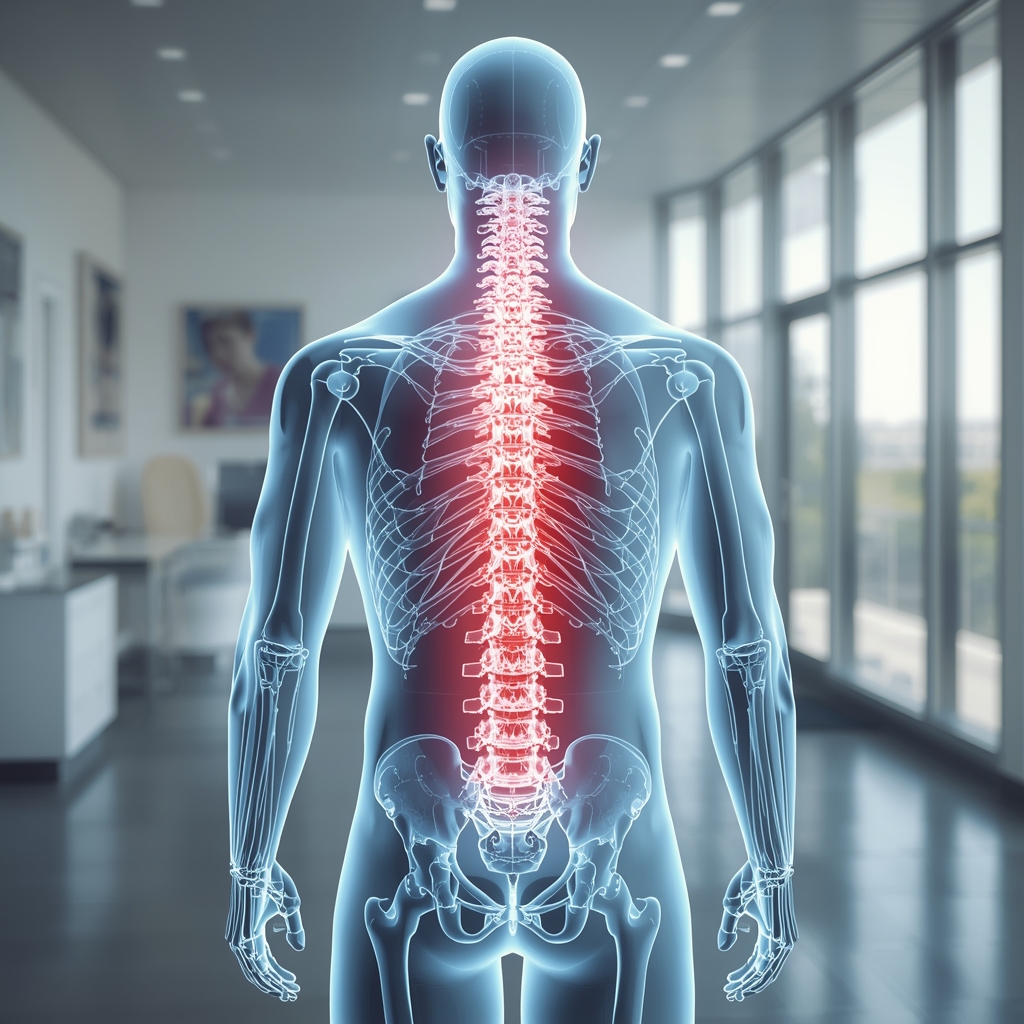
Understanding Vertebral Subluxation and Nervous System Connections
Vertebral subluxation refers to a misalignment or dysfunction in the spine that may interfere with nervous system function. The spine houses and protects the spinal cord, a critical pathway for nerve signals between the brain and the body. When subluxations occur, they can create pressure on nerves, potentially disrupting communication and contributing to pain, reduced mobility, or other health issues. Chiropractic adjustments aim to correct these misalignments, restoring proper spinal function and supporting optimal nervous system performance. While the exact mechanisms are still studied, the foundational principle is that a properly aligned spine allows the nervous system to operate efficiently, promoting overall well-being. This approach emphasizes the body’s innate ability to heal when structural imbalances are addressed.
Common Vertebral Subluxation Correction Techniques
Chiropractors use various techniques to correct vertebral subluxations, each targeting specific spinal regions and patient needs. The most common method is spinal manipulation, which involves controlled, sudden force to realign vertebrae. Other approaches include the Diversified technique, which uses manual thrusts, and the Gonstead method, focusing on precise adjustments based on detailed analysis. Instrument-assisted techniques, such as the Activator method, employ tools to apply gentle pressure. These methods aim to reduce nerve interference, improve joint mobility, and enhance overall spinal function. While each technique has its unique application, their shared goal is to restore balance to the musculoskeletal and nervous systems. Patients often experience relief from pain and improved range of motion, though individual responses may vary.
Neurophysiological Effects of Spinal Adjustments
Spinal adjustments may influence the nervous system through several neurophysiological pathways. By reducing mechanical stress on spinal joints and nerves, adjustments can alleviate irritation that might otherwise disrupt signal transmission. This can lead to improved proprioception—the body’s ability to sense its position and movement—and enhanced neuromuscular coordination. Additionally, adjustments may stimulate the release of neurotransmitters like endorphins, which can reduce pain and promote relaxation. Some research suggests that spinal manipulation may modulate the autonomic nervous system, potentially affecting heart rate, blood pressure, and stress responses. While the full extent of these effects is still under investigation, the general consensus is that proper spinal alignment supports the nervous system’s ability to function optimally, contributing to better health outcomes.
Evidence Supporting Vertebral Subluxation Correction
Research on vertebral subluxation correction techniques continues to evolve, with studies exploring their impact on nervous system function and overall health. While specific clinical trials are limited, many healthcare professionals acknowledge the potential benefits of chiropractic care in addressing musculoskeletal and neurological symptoms. Some studies indicate that spinal adjustments may improve nerve conduction and reduce pain in conditions like sciatica or migraines. Others suggest correlations between spinal alignment and enhanced autonomic nervous system regulation. However, the scientific community emphasizes the need for more rigorous, large-scale research to fully understand these effects. Chiropractic care is often used as a complementary approach alongside conventional medical treatments, highlighting its role in integrative health strategies.
Considerations for Patients and Practitioners
Patients considering vertebral subluxation correction should consult with a qualified chiropractor to discuss their individual needs and health history. While many find these techniques beneficial, they are not a substitute for medical care, especially for serious conditions. A thorough evaluation is essential to determine the most appropriate approach, as techniques vary in intensity and application. Practitioners must stay informed about the latest research and adhere to ethical guidelines to ensure safe, effective care. Open communication between patients and providers is key to tailoring treatment plans and monitoring progress. It’s important to remember that results can vary, and ongoing care may be necessary for sustained benefits. Always seek guidance from licensed professionals before starting any new health regimen.
Integrating Chiropractic Care with Broader Health Strategies
Chiropractic care, including vertebral subluxation correction, is often part of a holistic approach to health that considers the interplay between the spine, nervous system, and overall well-being. While adjustments can address structural imbalances, they are most effective when combined with other supportive practices such as exercise, nutrition, and stress management. For individuals with chronic conditions, chiropractic care may complement traditional medical treatments, offering additional relief and functional improvements. However, it’s crucial to maintain a collaborative relationship with healthcare providers to ensure a comprehensive care plan. As research continues to explore the mechanisms and efficacy of these techniques, their role in integrative medicine is likely to expand. Patients are encouraged to stay informed, ask questions, and work with trusted professionals to make decisions that align with their health goals.















