
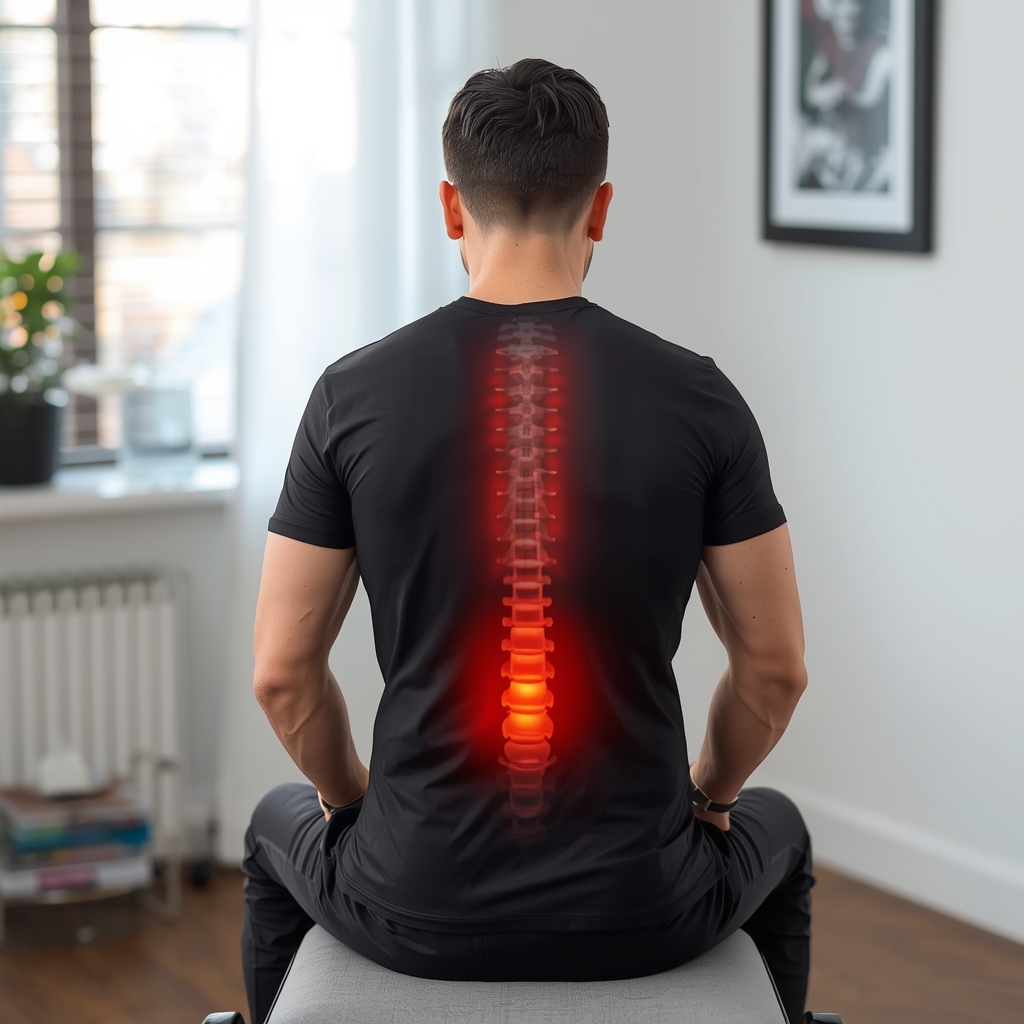
Understanding Chronic Myofascial Pain
Chronic myofascial pain involves persistent discomfort in muscles and their connective tissues, often linked to trigger points—tight knots that cause localized or radiating pain. These points can develop from injury, poor posture, or repetitive strain, creating a cycle of tension and discomfort. While spinal adjustments address misalignments that may contribute to pain, they may not fully resolve muscular restrictions. Trigger point therapy offers a complementary approach by targeting these specific areas, helping to break the pain cycle and improve mobility. Together, these methods address both structural and soft-tissue components of chronic pain, offering a more holistic solution.
What Is Trigger Point Therapy?
Trigger point therapy involves applying pressure to specific areas of muscle tension to relieve pain and restore function. Practitioners use techniques like ischemic compression, dry needling, or myofascial release to deactivate trigger points and reduce associated discomfort. This therapy can alleviate referred pain, improve circulation, and enhance muscle flexibility. By focusing on the root cause of pain—tight, hypersensitive muscle knots—trigger point therapy provides targeted relief that complements broader treatments. Its non-invasive nature makes it a valuable addition to chiropractic care, especially for patients with chronic conditions that involve both musculoskeletal and soft-tissue components.
The Role of Spinal Adjustments
Spinal adjustments aim to correct misalignments in the vertebrae, which can alleviate nerve pressure and improve overall musculoskeletal function. By restoring proper spinal mechanics, these adjustments may reduce pain, enhance mobility, and support the body’s natural healing processes. However, they primarily address structural issues rather than muscular restrictions. For chronic myofascial pain, where muscle tension plays a significant role, spinal adjustments alone may not fully resolve symptoms. Combining them with trigger point therapy allows for a more comprehensive approach, addressing both skeletal alignment and muscular imbalances that contribute to persistent discomfort.
Synergy Between the Two Approaches
When used together, trigger point therapy and spinal adjustments create a synergistic effect. Trigger point therapy reduces muscle tension that may otherwise hinder the effectiveness of spinal adjustments. Relieved muscles allow for more accurate and comfortable adjustments, while spinal realignment can improve blood flow and reduce strain on overworked muscles. This combined approach may lead to faster pain relief and longer-lasting results. Patients often report greater mobility and reduced recurrence of pain when both methods are integrated into their care plan. The collaboration between these therapies addresses the complex interplay of structural and soft-tissue factors in chronic myofascial pain.
Benefits of Combined Treatment
Patients experiencing chronic myofascial pain may benefit from the combined use of trigger point therapy and spinal adjustments. This dual approach can lead to more effective pain management, improved range of motion, and reduced reliance on medication. By addressing both muscular and skeletal components, the treatment plan may also prevent future complications caused by unresolved tension or misalignment. Many individuals find that the integration of these therapies enhances their overall quality of life, enabling them to engage in daily activities with less discomfort. However, the specific benefits can vary, and a qualified chiropractor can help determine the most suitable strategy for each patient’s needs.
Consulting a Qualified Provider
While trigger point therapy and spinal adjustments can work well together, it’s essential to seek guidance from a licensed chiropractor or healthcare professional. They can assess your condition, identify the most appropriate techniques, and create a personalized treatment plan. Each individual’s experience with chronic myofascial pain is unique, so a tailored approach ensures safety and effectiveness. Avoid self-treatment or unqualified practitioners, as improper techniques may worsen symptoms. A skilled provider will also monitor your progress and adjust the plan as needed, helping you achieve optimal outcomes. Open communication with your care team is key to maximizing the benefits of these complementary therapies.














