
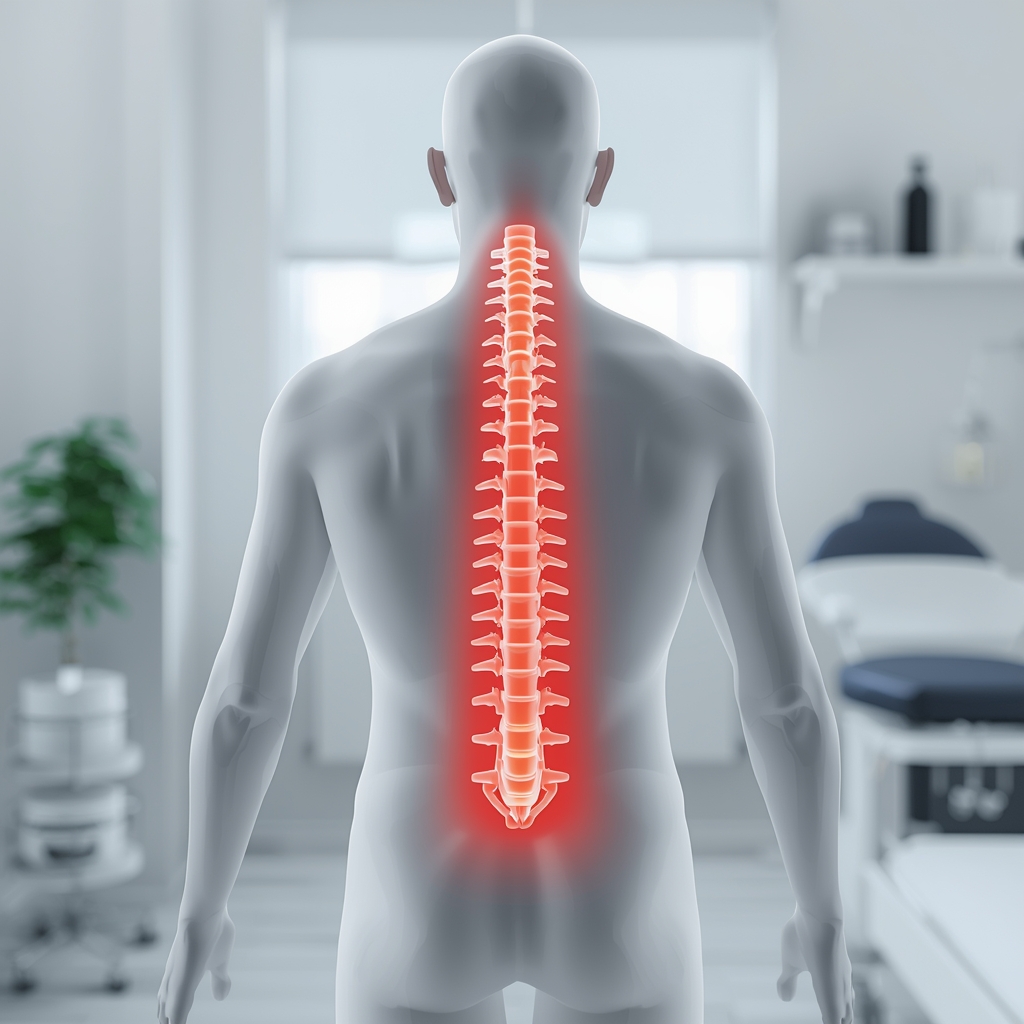
The Lumbar Spine's Anatomical Framework
The lumbar spine consists of five vertebrae (L1-L5) designed to support body weight and facilitate movement. Each vertebra features a large, robust body and a vertebral arch that forms the spinal canal, protecting the spinal cord. Intervertebral discs between the vertebrae act as shock absorbers, while facet joints allow controlled motion. The lumbar region's structure creates a natural curve (lordosis) that distributes forces effectively. This anatomy enables stability while permitting flexibility, but its complexity also makes it vulnerable to misalignment or degeneration. Understanding these components is essential for recognizing how structural integrity impacts nerve function and overall spinal health.
Nerve Pathways and Spinal Mechanics
The lumbar spine houses nerve roots that exit through intervertebral foramina, connecting to the sciatic nerve and other peripheral nerves. The spinal canal contains the spinal cord, which transmits sensory and motor signals between the body and brain. Proper alignment ensures these nerves have unobstructed pathways, while misalignment or disc herniation can compress nerves, causing pain or dysfunction. The lumbar spine's design balances protection with mobility, but factors like poor posture, injury, or degenerative changes may disrupt this balance. Maintaining structural health is critical for preserving nerve communication and preventing conditions like sciatica or radiculopathy.
Structural Influences on Nerve Function
Abnormalities in the lumbar spine's structure can directly affect nerve function. For example, spinal stenosis narrows the spinal canal, potentially compressing the spinal cord or nerves. Herniated discs may press on nerve roots, leading to radiating pain or weakness. Even subtle misalignments can alter joint mechanics, irritating nearby nerves. These disruptions highlight the spine's role as a conduit for neurological signals. Addressing structural issues promptly can help maintain optimal nerve function, emphasizing the importance of regular spinal assessments for early intervention and prevention of chronic nerve-related problems.
Chiropractic Adjustments for Lumbar Optimization
Chiropractic adjustments aim to restore proper alignment and function to the lumbar spine. By applying controlled forces to specific vertebrae, adjustments can relieve pressure on nerves, improve joint mobility, and enhance overall spinal mechanics. Techniques vary, but the goal is to correct misalignments (subluxations) that may interfere with nerve communication. While adjustments are not a cure-all, many patients report reduced pain and improved function. It's crucial to consult a licensed chiropractor to determine if adjustments are appropriate for individual conditions. A personalized approach ensures safety and effectiveness in addressing lumbar spine-related nerve issues.
Complementary Approaches to Nerve Health
In addition to chiropractic care, other strategies can support lumbar spine health and nerve function. Physical therapy exercises, such as core strengthening and flexibility routines, may stabilize the spine and reduce nerve irritation. Posture correction and ergonomic adjustments can alleviate stress on the lumbar region. Soft tissue therapies, like massage or myofascial release, might ease muscle tension that contributes to nerve compression. While these methods can complement spinal care, they should not replace professional evaluation. A multidisciplinary approach, guided by healthcare providers, often yields the best outcomes for maintaining nerve health and spinal function.
Maintaining Long-Term Spinal Wellness
Persistent attention to lumbar spine health is vital for sustaining nerve function and overall well-being. Regular movement, proper lifting techniques, and maintaining a healthy weight reduce strain on the lower back. Chiropractic check-ups can detect early signs of structural imbalances, allowing for timely intervention. Patients should also stay informed about their condition and engage in open dialogue with healthcare providers. By prioritizing spinal care and adopting proactive habits, individuals can minimize the risk of nerve-related issues and enjoy greater mobility and comfort in daily life.














