
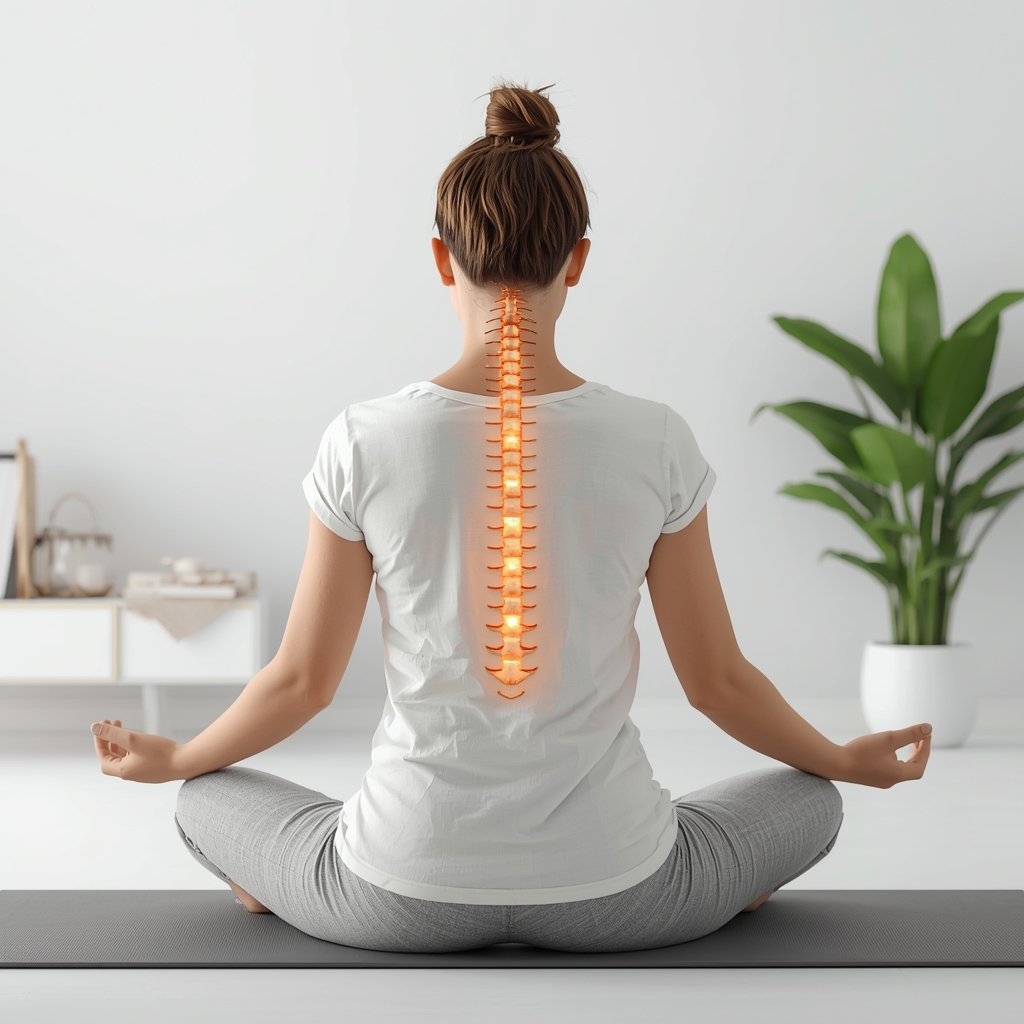
Understanding the Link Between Stress, Anxiety, and the Nervous System
Chronic anxiety often manifests as both mental and physical tension, affecting the nervous system's ability to regulate stress responses. Chiropractic care focuses on the spine's alignment, which plays a critical role in nervous system function. By addressing misalignments, chiropractors aim to reduce physical stressors that may exacerbate anxiety. Meanwhile, mindfulness practices, such as meditation and deep breathing, engage the parasympathetic nervous system to promote relaxation. Combining these approaches creates a holistic strategy that targets both the body's structural health and the mind's capacity to manage stress.
How Chiropractic Adjustments May Alleviate Stress-Related Symptoms
Spinal misalignments, or subluxations, can interfere with nerve communication, potentially worsening stress and anxiety. Chiropractic adjustments seek to restore proper alignment, which may help the body better manage stress by improving nervous system function. While research on this specific link is ongoing, many patients report reduced tension and improved emotional well-being after regular adjustments. This physical relief can create a foundation for other stress-reduction techniques, such as mindfulness, to be more effective. However, individual experiences vary, and it’s important to work with a qualified chiropractor to explore this approach.
The Role of Mindfulness in Managing Chronic Anxiety
Mindfulness practices, including meditation, yoga, and focused breathing, are widely recognized for their ability to reduce anxiety by calming the mind and body. These techniques encourage present-moment awareness, which can break the cycle of negative thoughts often associated with chronic anxiety. Studies suggest that regular mindfulness practice may lower cortisol levels and improve emotional regulation. When integrated with chiropractic care, these practices can complement physical treatments by addressing the psychological aspects of stress. Patients often find that combining mind-body approaches enhances their overall sense of well-being, though results depend on consistency and personal needs.
Combining Chiropractic and Mindfulness for Enhanced Outcomes
The integration of chiropractic care and mindfulness practices offers a multifaceted approach to stress reduction. While chiropractic adjustments address physical imbalances, mindfulness techniques target mental and emotional stressors. This synergy may help patients achieve greater relief than either method alone. For example, a patient might receive an adjustment to ease physical tension, followed by guided meditation to quiet anxious thoughts. Such a combined approach acknowledges the interconnected nature of physical and mental health. However, it’s essential to approach these methods under professional guidance to ensure they align with an individual’s unique health profile and goals.
Considerations for Patients Exploring Integrated Care
Patients interested in combining chiropractic care with mindfulness should prioritize working with licensed professionals who understand holistic approaches. A chiropractor can assess spinal health and recommend adjustments, while a mindfulness instructor can tailor practices to individual needs. It’s important to recognize that no single method works for everyone, and progress may vary. Open communication with healthcare providers is key to developing a personalized plan. Patients should also remain cautious of unverified claims and focus on evidence-based practices that align with their overall health objectives.
Conclusion: A Holistic Path to Stress Reduction
Integrating chiropractic care with mindfulness practices provides a comprehensive strategy for managing stress and anxiety. By addressing both physical and mental aspects of well-being, this approach offers patients a broader toolkit for relief. While the exact mechanisms of this integration are still being studied, many individuals find value in combining these methods. As with any health strategy, it’s crucial to consult with qualified professionals to determine what works best for each person. This collaborative, patient-centered model highlights the potential of integrative care in supporting long-term stress management and emotional resilience.














