
Understanding Chronic Neuropathy and Its Impact on Nerve Function
Chronic neuropathy refers to long-term damage or dysfunction of the nerves, often resulting in symptoms like pain, numbness, tingling, or weakness. This condition can stem from various causes, including diabetes, infections, autoimmune disorders, or physical trauma. The affected nerves may struggle to transmit signals efficiently, leading to persistent discomfort and reduced quality of life. For many patients, traditional treatments such as medications or physical therapy provide limited relief, prompting exploration of alternative approaches. Spinal manipulation, a core technique in chiropractic care, has emerged as a potential method to address nerve conduction issues. By focusing on the spine’s alignment and function, this approach aims to reduce pressure on nerves and improve their ability to communicate with the body. Understanding how this works requires examining the interplay between spinal health and nerve signaling.
The Role of Spinal Manipulation in Nerve Health
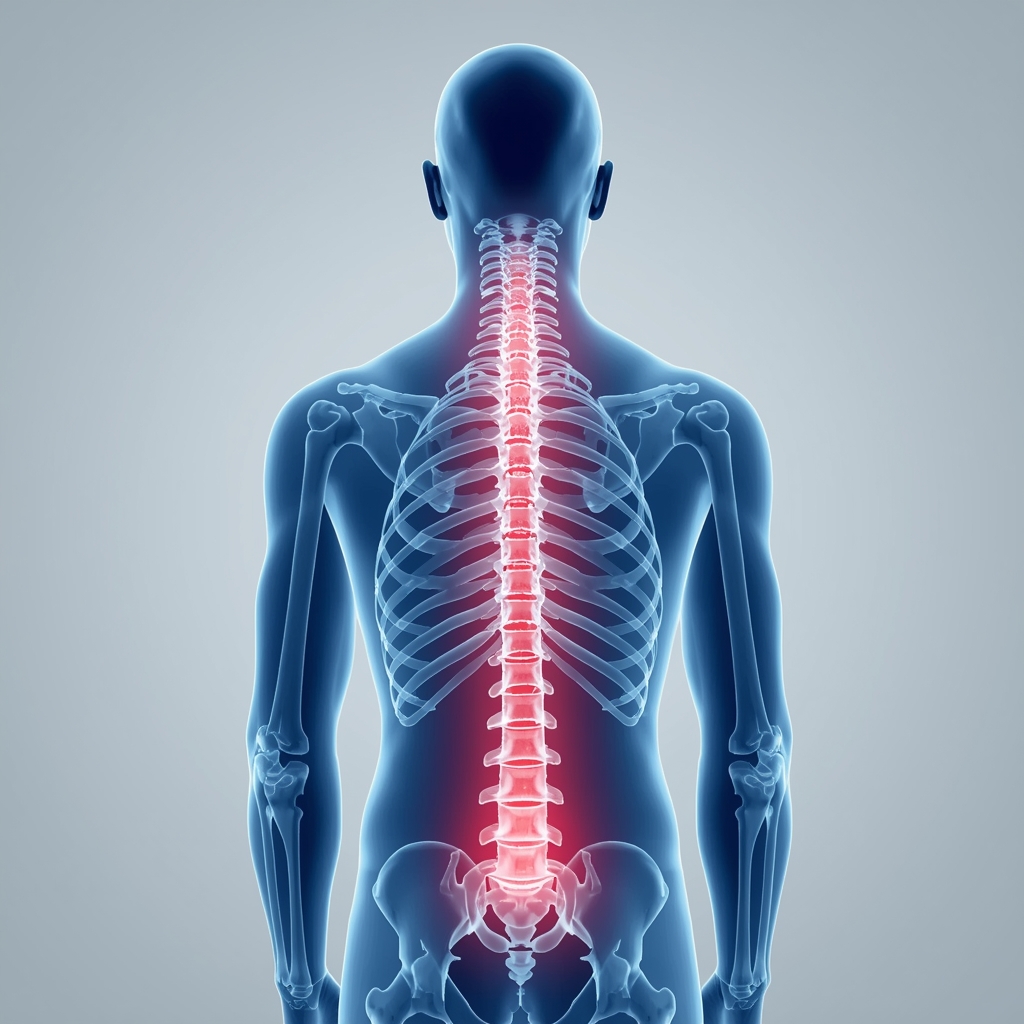
Spinal manipulation involves the controlled application of force to specific joints of the spine to restore mobility and correct misalignments. When nerves are compressed or irritated due to spinal issues, their ability to conduct signals can be impaired. Chiropractors believe that by realigning the spine, they can alleviate this pressure, allowing nerves to function more effectively. This process may also stimulate the nervous system, promoting better communication between the brain and the body. While the exact mechanisms are still under investigation, many practitioners observe improvements in patients with nerve-related conditions after adjustments. It’s important to note that spinal manipulation is typically part of a broader treatment plan, often combined with other therapies to address the multifaceted nature of chronic neuropathy. Patients should consult qualified professionals to determine if this approach aligns with their specific needs.
How Spinal Adjustments May Enhance Nerve Conduction
Improved nerve conduction occurs when the nervous system can transmit signals more efficiently. Spinal manipulation may contribute to this by reducing mechanical stress on nerves, which can occur due to misaligned vertebrae or restricted joint movement. When the spine is properly aligned, it creates a more optimal environment for nerve function, potentially reducing inflammation and improving blood flow to affected areas. Additionally, adjustments may activate the body’s natural healing responses, supporting nerve repair and regeneration. Some research suggests that spinal manipulation can influence the central nervous system, modulating pain perception and enhancing proprioception. While these effects are not fully understood, they highlight the potential of spinal care in addressing nerve conduction challenges. However, individual results can vary, and patients should work with their chiropractor to develop a personalized approach.
Benefits of Spinal Manipulation for Chronic Neuropathy Patients
Patients with chronic neuropathy often experience significant relief from symptoms after undergoing spinal manipulation. By addressing structural imbalances, this technique may reduce pressure on nerves, leading to decreased pain and improved sensation. Many individuals report enhanced mobility and a greater ability to perform daily activities. Additionally, spinal adjustments can complement other treatments, such as physical therapy or medication, by addressing underlying musculoskeletal factors contributing to nerve dysfunction. The holistic nature of chiropractic care also emphasizes lifestyle modifications, such as exercise and posture correction, which can further support nerve health. While spinal manipulation is not a cure for neuropathy, it can be a valuable tool in managing symptoms and improving overall well-being. Ongoing research continues to explore its long-term benefits and optimal application for different nerve conditions.
Considerations and Safety in Spinal Manipulation for Nerve Conditions
While spinal manipulation can offer benefits, it is not without risks, particularly for patients with complex nerve conditions. Individuals with severe osteoporosis, spinal instability, or certain neurological disorders should exercise caution and consult their healthcare provider before pursuing this treatment. A thorough evaluation by a qualified chiropractor is essential to determine the appropriateness of adjustments and to develop a safe, tailored plan. Patients should also communicate openly about their symptoms and medical history to ensure the safest possible care. It’s important to recognize that spinal manipulation is not a one-size-fits-all solution and may require multiple sessions to achieve noticeable results. When performed correctly, however, it can be a safe and effective component of a comprehensive approach to managing chronic neuropathy.
Integrating Spinal Care into a Comprehensive Treatment Plan
For patients with chronic neuropathy, spinal manipulation is most effective when integrated into a broader treatment strategy. This may include medications, physical therapy, lifestyle changes, and other complementary therapies. Chiropractors often collaborate with other healthcare professionals to ensure a coordinated approach that addresses all aspects of the patient’s condition. By combining spinal adjustments with targeted exercises and ergonomic modifications, individuals can maximize their chances of improved nerve function and symptom relief. Patients should also stay informed about their condition and actively participate in their care decisions. Regular follow-ups with their chiropractor and other providers can help monitor progress and make necessary adjustments to the treatment plan. Ultimately, a personalized, multidisciplinary approach offers the best chance for long-term management of chronic neuropathy.














