
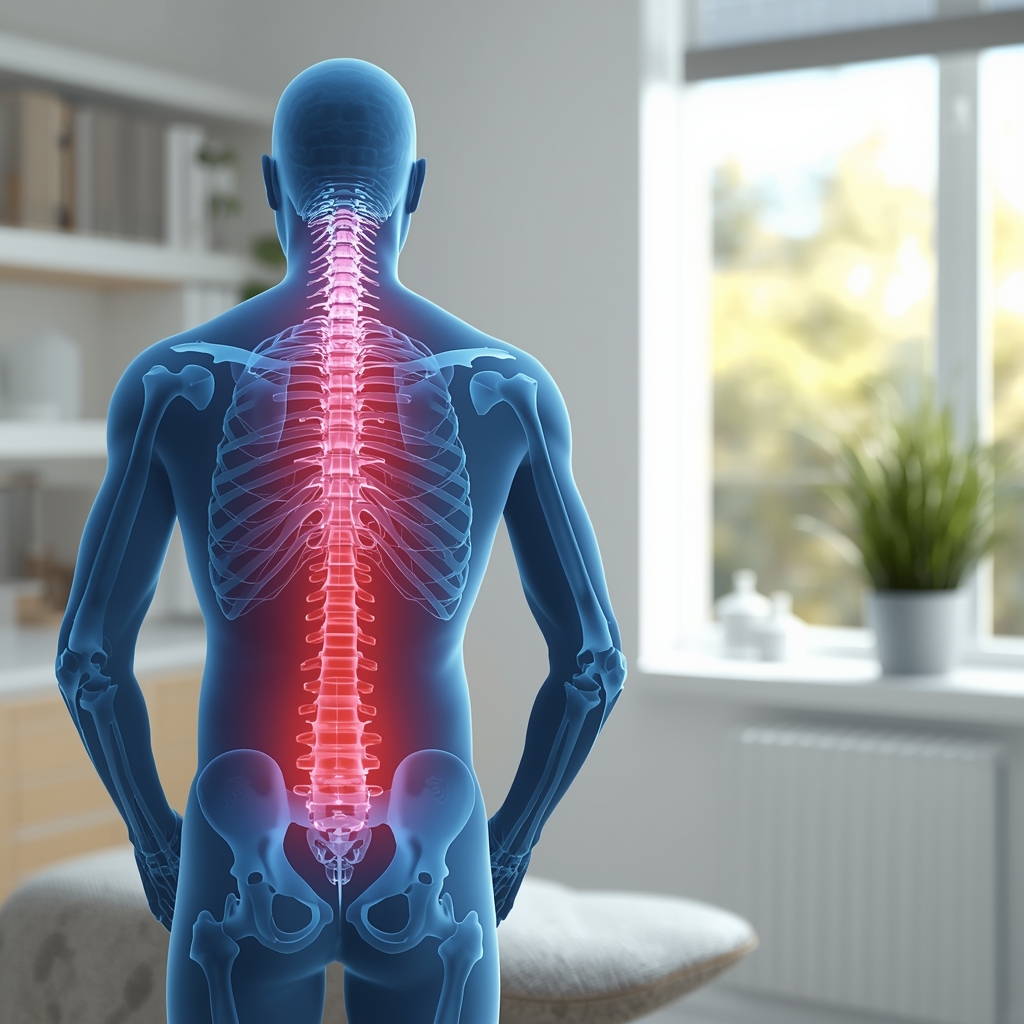
Understanding Inflammation in Herniated Discs
Inflammation plays a critical role in the pain and discomfort associated with herniated discs. When a disc protrudes, it can irritate nearby nerves and trigger an inflammatory response, leading to swelling, pain, and reduced mobility. While chiropractic care focuses on realigning the spine and alleviating pressure, managing inflammation is equally vital for recovery. Omega-3 fatty acids, known for their anti-inflammatory properties, offer a complementary approach by potentially reducing the body’s inflammatory markers. This synergy between chiropractic adjustments and nutritional support highlights the importance of addressing both structural and systemic factors in disc-related conditions.
The Role of Chiropractic Care in Disc Health
Chiropractic adjustments aim to restore proper spinal alignment, reducing pressure on herniated discs and alleviating nerve irritation. Techniques such as spinal manipulation, decompression therapy, and soft tissue work can improve mobility and promote natural healing. However, inflammation often persists even after structural improvements, which may hinder full recovery. By incorporating strategies that target inflammation, chiropractors can enhance treatment outcomes. Omega-3 fatty acids may support this process by modulating the body’s inflammatory response, creating a more favorable environment for healing and pain relief.
Omega-3 Fatty Acids and Anti-Inflammatory Effects
Omega-3 fatty acids, found in fish oil, flaxseeds, and walnuts, are widely recognized for their ability to reduce inflammation. They work by influencing the production of cytokines and eicosanoids, molecules that regulate immune responses. Chronic inflammation can exacerbate disc degeneration and pain, making omega-3s a valuable adjunct to traditional treatments. While not a substitute for chiropractic care, these nutrients may help lower systemic inflammation, potentially easing pressure on affected discs and supporting overall spinal health. Patients considering supplementation should discuss options with their chiropractor to ensure safety and efficacy.
Complementary Benefits of Omega-3s and Chiropractic Care
The combination of omega-3 supplementation and chiropractic adjustments may create a synergistic effect in managing herniated discs. Chiropractic care addresses mechanical issues, while omega-3s target underlying inflammation, which can slow disc degeneration and ease nerve irritation. For example, reduced inflammation may enhance the effectiveness of spinal adjustments by minimizing swelling around the affected area. Additionally, omega-3s may support tissue repair and reduce the need for anti-inflammatory medications. This integrated approach underscores the value of combining structural and nutritional strategies to optimize recovery and long-term spinal health.
Practical Considerations for Patients
Patients exploring omega-3 supplementation should consult their chiropractor to determine the appropriate dosage and form, as individual needs vary. While generally safe, high doses may interact with medications or affect blood clotting. Chiropractors can guide patients on integrating omega-3s into their care plan without compromising other treatments. It’s also important to prioritize whole-food sources of omega-3s, such as fatty fish, alongside supplements. By working with a healthcare provider, patients can ensure a balanced approach that aligns with their specific condition and overall health goals.
Conclusion: A Holistic Approach to Disc Care
Managing herniated discs requires a multifaceted strategy that addresses both structural and inflammatory components. Chiropractic care provides essential support for spinal alignment and function, while omega-3 fatty acids offer a natural way to reduce inflammation and promote healing. Together, these approaches can enhance recovery, alleviate pain, and improve quality of life. Patients should view these options as complementary tools within a broader care plan, always under the guidance of a qualified chiropractor. By embracing a holistic perspective, individuals can achieve more comprehensive and sustainable outcomes for their spinal health.












