
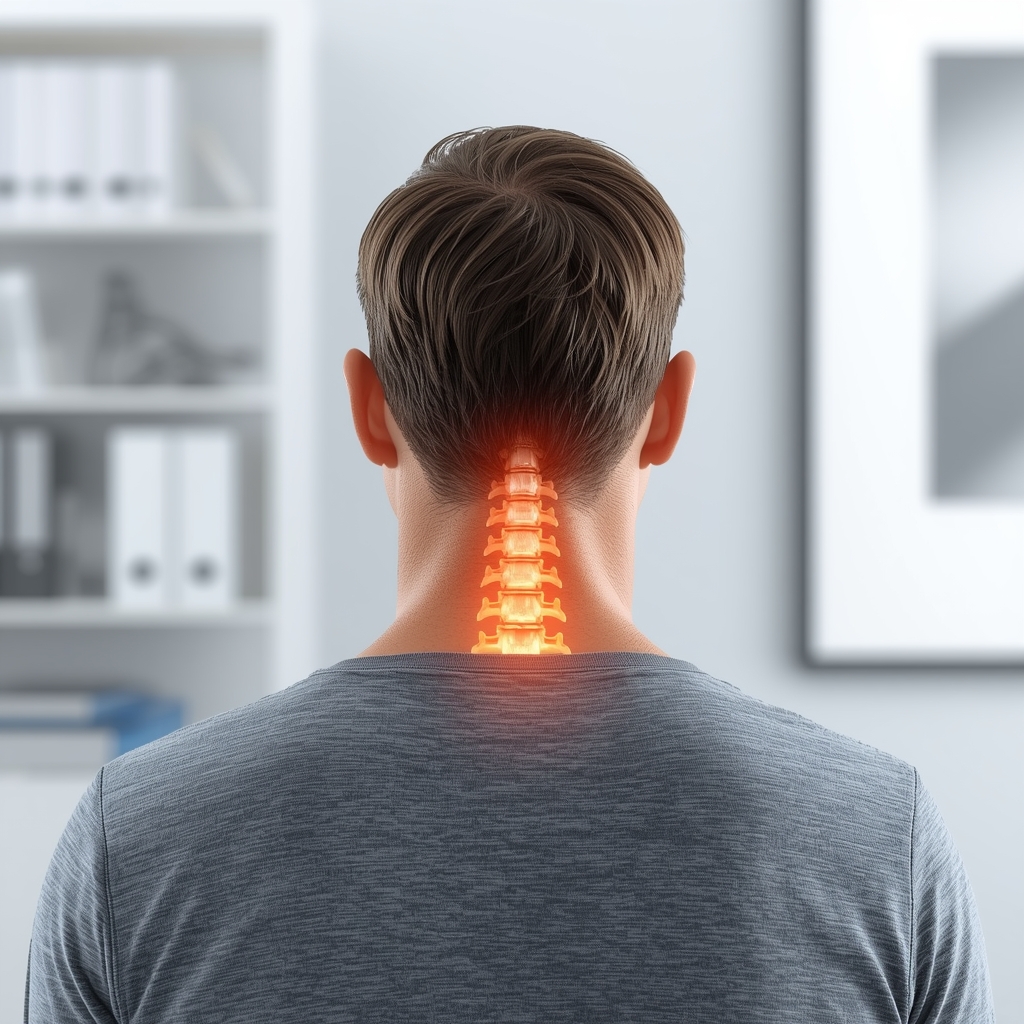
Understanding Cervical Spine Misalignment
The cervical spine, or neck, plays a critical role in supporting the head and facilitating movement. Misalignment, often called a subluxation, occurs when vertebrae shift out of their natural position. This can irritate nerves, disrupt spinal fluid flow, and impair communication between the brain and body. Such disruptions may contribute to physical discomfort and, in some cases, influence the nervous system’s stress response. While not a direct cause of anxiety, misalignment can create a feedback loop where physical tension exacerbates emotional stress, and vice versa. Understanding this connection highlights the importance of addressing spinal health as part of a holistic approach to well-being.
The Mind-Body Connection
The spine is deeply intertwined with the nervous system, which regulates both physical and emotional responses. The cervical region houses nerves that connect to the brainstem, influencing autonomic functions like heart rate and breathing. When misalignment occurs, it may alter nerve signaling, potentially heightening the body’s stress response. This can manifest as increased muscle tension, particularly in the neck and shoulders—a common physical symptom of anxiety. Conversely, chronic anxiety can lead to poor posture and muscular tightness, further straining the cervical spine. This bidirectional relationship underscores the value of addressing spinal health to support overall mental and physical balance.
Anxiety and Muscle Tension
Anxiety often triggers the body’s “fight or flight” response, causing muscles to tighten in preparation for perceived threats. In the neck and upper back, this tension can become chronic, leading to pain and restricted movement. Over time, persistent muscle tightness may worsen cervical spine misalignment, creating a cycle of discomfort and stress. For example, a person with anxiety might unconsciously clench their jaw or hunch their shoulders, placing additional strain on the cervical vertebrae. This interplay between emotional and physical states highlights how anxiety can manifest as musculoskeletal issues, making it essential to address both components for effective relief.
Chiropractic Adjustments for Cervical Spine Issues
Chiropractic adjustments aim to restore proper alignment to the cervical spine, reducing nerve irritation and improving mobility. Techniques such as spinal manipulation or mobilization are commonly used to realign vertebrae, alleviating pressure on surrounding nerves and muscles. By correcting misalignments, these adjustments may help break the cycle of tension and stress. For anxiety-related muscle tension, a chiropractor might focus on gentle, targeted adjustments to the upper spine, promoting relaxation and improved function. While not a substitute for mental health care, these interventions can complement other strategies by addressing the physical contributors to stress and discomfort.
Soft Tissue Therapies and Muscle Relaxation
In addition to spinal adjustments, chiropractors often use soft tissue therapies to address muscle tension linked to anxiety. Techniques like Active Release Technique (ART), trigger point therapy, or myofascial release can relieve tightness in the neck, shoulders, and upper back. These methods target specific areas of tension, improving blood flow and reducing discomfort. For patients experiencing anxiety-related muscle stiffness, combining spinal adjustments with soft tissue work may enhance overall relief. By addressing both structural and muscular components, chiropractors can help patients achieve greater comfort and support their body’s natural ability to manage stress.
Integrating Chiropractic Care with Lifestyle Strategies
Chiropractic care can be part of a broader strategy to manage anxiety-related muscle tension. Patients may benefit from incorporating stress-reduction practices like mindfulness, yoga, or progressive muscle relaxation into their routines. Ergonomic adjustments, regular movement, and proper posture also play a role in preventing cervical strain. A chiropractor can guide patients on exercises to strengthen neck and shoulder muscles, further supporting spinal health. While chiropractic techniques may help alleviate physical symptoms, they are most effective when combined with other approaches tailored to individual needs. Open communication with a healthcare provider ensures a comprehensive plan for long-term well-being.












