
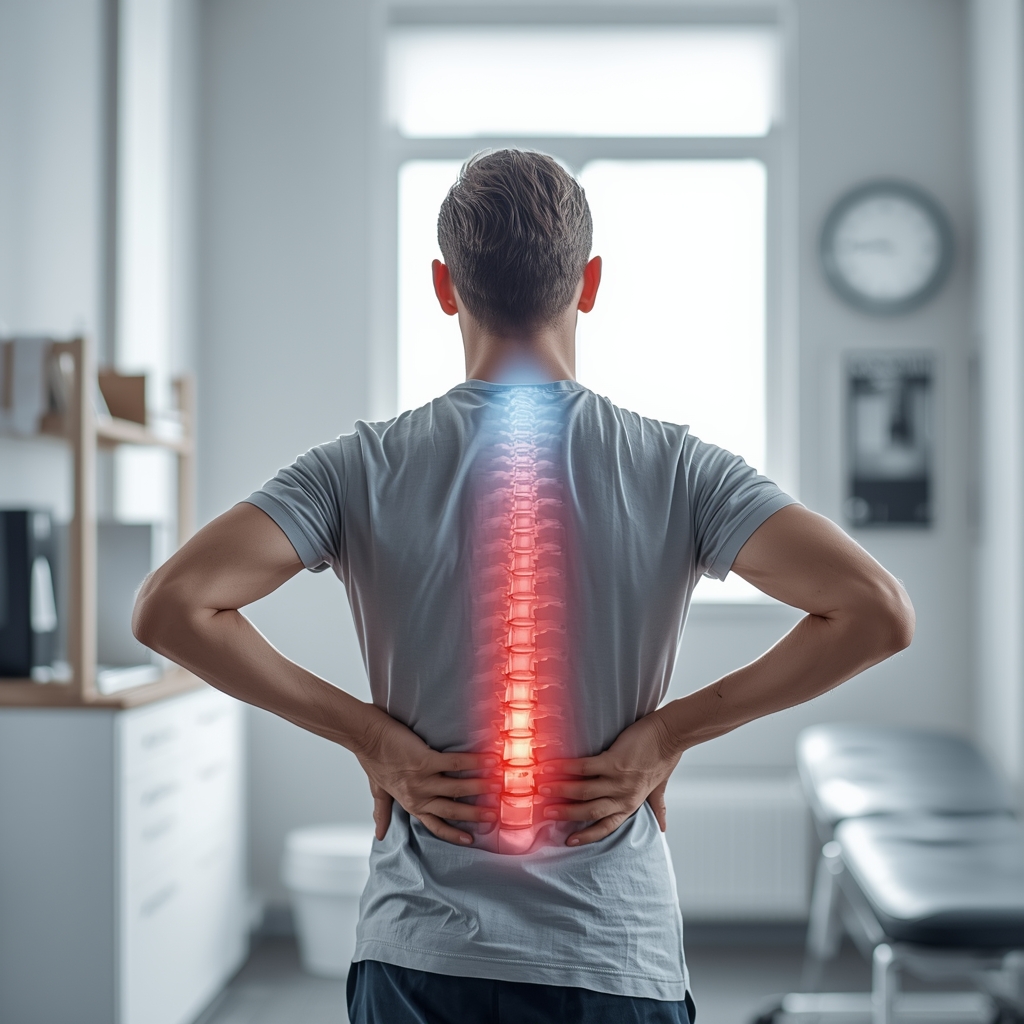
Understanding Chronic Pain and Non-Opioid Alternatives
Chronic pain affects millions, often leading to reliance on opioids for relief. However, non-opioid therapies are increasingly recognized as viable options. Chiropractic adjustments, physical therapy, acupuncture, and other approaches offer ways to manage pain without medication. These methods focus on addressing underlying causes rather than just masking symptoms. While each therapy has unique mechanisms, they share a common goal: improving function and quality of life. Patients often seek alternatives due to concerns about opioid dependency or side effects. Understanding how these therapies compare can help individuals make informed choices about their care.
How Chiropractic Adjustments Work
Chiropractic adjustments involve manual manipulation of the spine to restore proper alignment and function. This can alleviate nerve pressure, reduce inflammation, and improve mobility. By targeting musculoskeletal imbalances, chiropractors aim to address pain sources directly. Unlike some therapies that focus on symptoms, adjustments seek to enhance the body’s natural healing processes. While effective for conditions like back or neck pain, their role in broader chronic pain management is often part of a multidisciplinary approach. Patients may experience relief through repeated sessions, though outcomes vary based on individual needs and conditions.
Comparing Chiropractic Care to Physical Therapy
Both chiropractic adjustments and physical therapy (PT) are non-opioid options for chronic pain, but they differ in approach. PT emphasizes exercises, stretches, and strengthening to improve mobility and reduce pain. Chiropractic care focuses on spinal alignment and nervous system function. Studies suggest both can be effective, but their mechanisms and goals overlap in promoting long-term recovery. Some patients benefit from combining the two, as PT builds resilience while adjustments address structural issues. However, the choice depends on the specific condition and individual response. A chiropractor or physical therapist can guide patients toward the most suitable strategy.
Chiropractic vs. Acupuncture and Other Modalities
Acupuncture, which uses needles to stimulate energy pathways, is another non-opioid option. While chiropractic adjustments target the musculoskeletal system, acupuncture focuses on balancing the body’s energy flow. Both have shown promise in pain management, though evidence varies. Other therapies like massage, dry needling, and cold laser therapy also offer alternatives. Research indicates that these methods can complement each other, but their effectiveness depends on the condition and patient preferences. Chiropractic care may be more suitable for structural issues, while acupuncture could help with generalized pain or stress-related symptoms. Exploring multiple options often leads to better outcomes.
Integrating Chiropractic into a Broader Pain Management Plan
Chronic pain often requires a multifaceted approach. Chiropractic adjustments may be part of a broader strategy that includes medication, lifestyle changes, or psychological support. For example, cognitive-behavioral therapy (CBT) can address pain perception, while chiropractic care targets physical contributors. Patients should work with healthcare providers to create personalized plans, ensuring therapies align with their goals. While some may find relief through chiropractic alone, others benefit from combining it with other methods. Open communication with a chiropractor or pain specialist is key to optimizing results and avoiding potential conflicts between treatments.
Choosing the Right Non-Opioid Therapy for You
The effectiveness of non-opioid therapies varies by individual and condition. Chiropractic adjustments may be ideal for musculoskeletal pain, while physical therapy or acupuncture could suit other needs. Factors like pain type, duration, and overall health influence the best approach. Patients should consult qualified providers to explore options and understand potential benefits and limitations. No single therapy works for everyone, so experimentation and collaboration with healthcare professionals are essential. By prioritizing safety and evidence-based practices, individuals can find sustainable ways to manage chronic pain without relying on opioids.













