
How Chiropractors Utilize Spinal Decompression Therapy for Chronic Sciatica
## Understanding Spinal Decompression Therapy
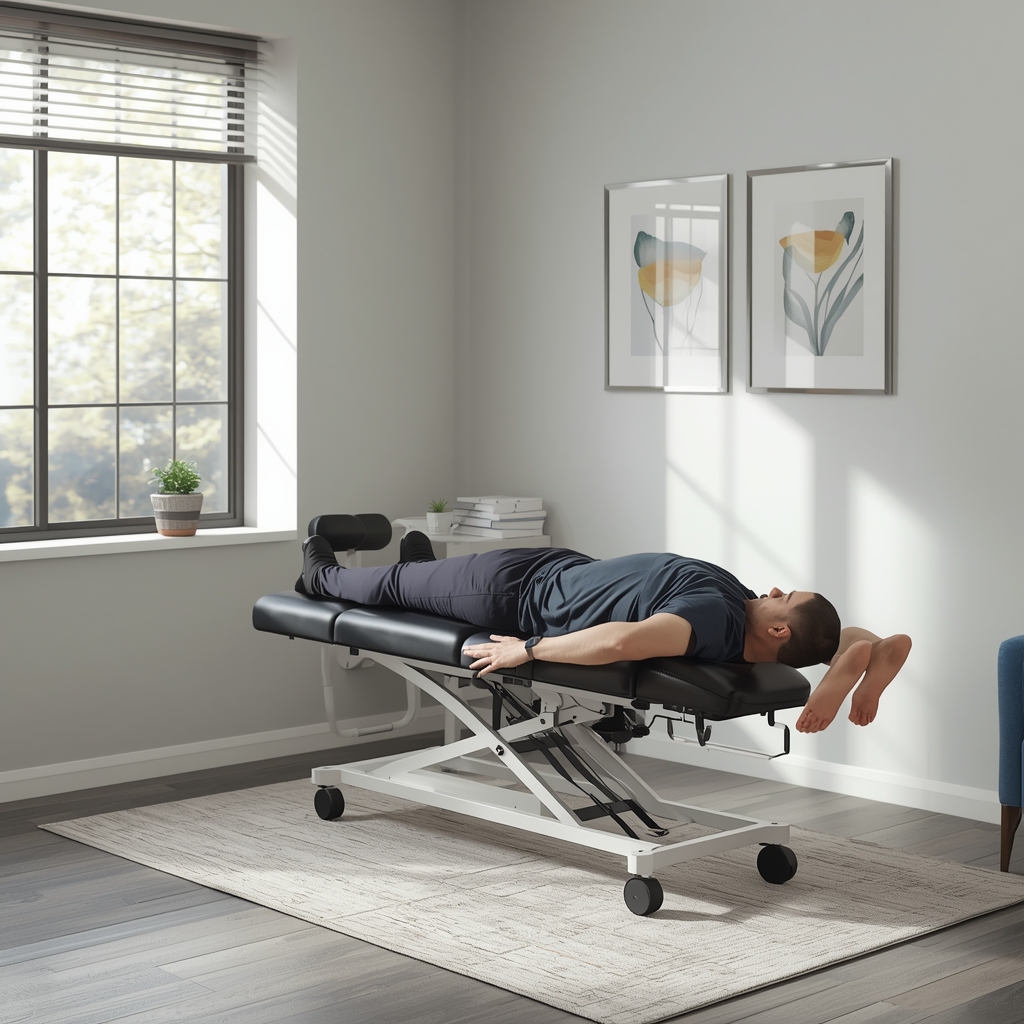
Spinal decompression therapy is a non-invasive technique designed to relieve pressure on compressed nerves, particularly in cases of chronic sciatica. This therapy uses specialized equipment to gently stretch the spine, creating negative pressure that can help reposition bulging discs and reduce nerve irritation. For patients suffering from sciatic pain caused by disc herniation or spinal stenosis, decompression therapy offers a drug-free alternative to traditional treatments like medications or surgery. By targeting the root cause of nerve compression, this approach aims to alleviate pain and improve mobility without the risks associated with pharmaceuticals or invasive procedures. Chiropractors often use decompression therapy as part of a broader treatment plan to address persistent sciatica symptoms.
## How Spinal Decompression Addresses Sciatica
Chronic sciatica often stems from compressed or irritated sciatic nerves, commonly due to herniated discs, spinal stenosis, or degenerative disc disease. Spinal decompression therapy works by carefully adjusting the spine to create space between vertebrae, which can reduce pressure on the nerves. This process may also promote the flow of nutrients and fluids to the discs, supporting their natural healing. Unlike medications that merely mask pain, decompression therapy targets the underlying issue, offering long-term relief for some patients. Chiropractors evaluate each individual’s condition to determine if decompression is a suitable option, ensuring the therapy aligns with their specific needs and medical history.
## Benefits of a Drug-Free Approach
For patients seeking to avoid medications, spinal decompression therapy provides a viable alternative. Many individuals experience side effects from pain relievers or muscle relaxants, making non-invasive options like decompression therapy appealing. This therapy also avoids the risks of surgery, such as infection or prolonged recovery. By focusing on natural healing mechanisms, decompression can reduce inflammation and restore proper spinal function. Additionally, it often complements other conservative treatments, such as chiropractic adjustments or physical therapy, enhancing overall outcomes. Patients who prefer to minimize their reliance on drugs may find decompression therapy a valuable tool in managing chronic sciatica without compromising their health.
## Patient Evaluation and Treatment Planning
Before initiating spinal decompression therapy, a chiropractor conducts a thorough assessment to determine its suitability for a patient’s condition. This includes reviewing medical history, performing physical exams, and possibly using imaging studies to identify the source of nerve compression. Treatment plans are then tailored to address specific issues, such as disc herniation or spinal misalignment. The chiropractor may combine decompression with other techniques, like soft tissue therapy or corrective exercises, to maximize results. Regular progress evaluations help adjust the plan as needed, ensuring the therapy remains effective and safe. This personalized approach ensures patients receive care that aligns with their unique health goals and challenges.
## Integrating Decompression with Other Chiropractic Techniques
Spinal decompression therapy is often most effective when used alongside other chiropractic methods. For instance, spinal adjustments can correct misalignments that contribute to nerve compression, while decompression addresses the underlying disc issues. Chiropractors may also incorporate therapies like cold laser treatment or electrical stimulation to reduce inflammation and enhance healing. Additionally, rehabilitative exercises can strengthen the muscles supporting the spine, preventing future episodes of sciatica. By combining these approaches, chiropractors create a comprehensive treatment strategy that tackles both the symptoms and causes of chronic pain, offering patients a more holistic path to recovery.
## When to Consider Spinal Decompression Therapy
Patients with chronic sciatica who have not found relief through conventional methods may benefit from spinal decompression therapy. It is particularly useful for those looking to avoid medications or surgery, as well as those seeking a non-invasive option to manage their symptoms. However, it is essential to consult a qualified chiropractor to determine if this therapy is appropriate for their specific condition. A professional evaluation can identify contraindications, such as severe osteoporosis or spinal instability, and guide patients toward the most effective treatment plan. For many, decompression therapy offers a safe, drug-free alternative to traditional sciatica management, empowering them to take control of their health.












