
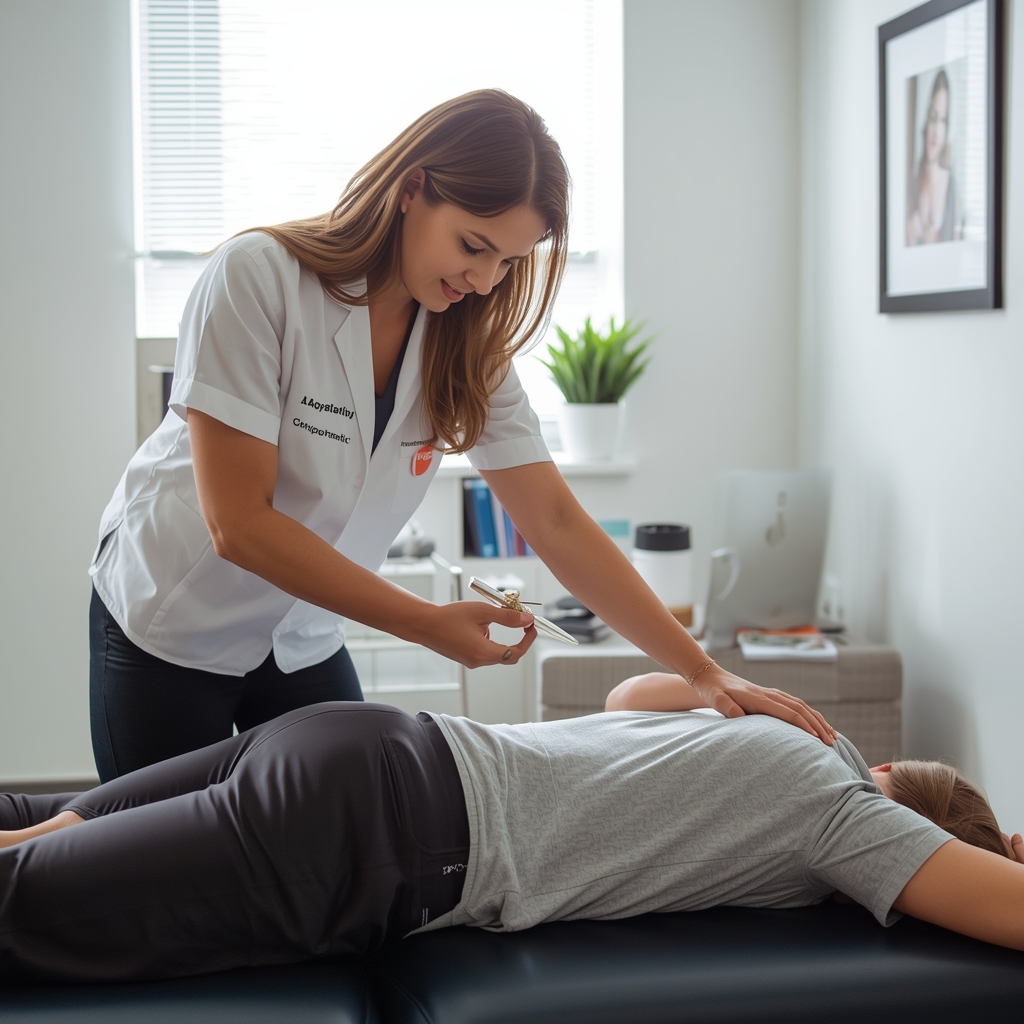
Understanding the Graston Technique: A Foundation for Patient Education
The Graston Technique is a form of instrument-assisted soft tissue mobilization (IASTM) designed to detect and treat areas of restricted movement caused by scar tissue or adhesions. Chiropractors use specialized stainless steel instruments to gently scrape or massage the skin, identifying and breaking down fibrotic tissue that may hinder mobility or cause pain. This technique is commonly used for musculoskeletal conditions, such as tendonitis, muscle strains, or post-surgical recovery. By educating patients on the purpose of the Graston Technique, chiropractors can demystify the process and set realistic expectations. Clear communication about how the tools work and what to anticipate during sessions helps patients feel more comfortable and engaged in their care. Emphasizing that the goal is to restore normal tissue function rather than simply alleviate symptoms fosters a collaborative approach to healing.
The Role of Graston Technique in Soft Tissue Healing
Soft tissues, including muscles, tendons, and ligaments, require proper blood flow and flexibility to function optimally. When injuries occur, the body forms scar tissue as part of the healing process, which can lead to stiffness, pain, or reduced range of motion. The Graston Technique addresses these issues by targeting adhesions and promoting the reabsorption of scar tissue. By applying controlled pressure with specialized instruments, chiropractors can stimulate blood circulation, reduce inflammation, and encourage the body’s natural repair mechanisms. This process may also help break up fascial restrictions, which are layers of connective tissue that can become tight or misaligned. Patients should understand that the Graston Technique is not a standalone solution but often part of a broader treatment plan that may include adjustments, stretches, or exercise. Explaining how this technique complements other therapies reinforces its value in achieving long-term mobility and pain relief.
Communicating the Benefits of Graston Technique to Patients
Chiropractors play a critical role in helping patients grasp the potential benefits of the Graston Technique. Clear, jargon-free explanations are essential to ensure patients understand how the procedure works and why it may be recommended. For example, comparing scar tissue to a tangled rope can help illustrate how the Graston Technique “untangles” these restrictions. Highlighting that the technique can reduce pain, improve flexibility, and speed up recovery times can address common concerns about its effectiveness. It’s also important to emphasize that results vary based on individual conditions and adherence to the treatment plan. Patients should be encouraged to ask questions and express any discomfort during sessions. By fostering open dialogue, chiropractors build trust and empower patients to take an active role in their care. This approach not only enhances patient satisfaction but also increases the likelihood of successful outcomes.
Addressing Patient Concerns and Misconceptions
Patients may have questions or concerns about the Graston Technique, such as whether it is painful or how long results will take. Chiropractors should proactively address these issues by explaining that the procedure is generally well-tolerated, though some discomfort is normal due to the pressure applied to sensitive areas. It’s important to clarify that the goal is not to cause pain but to identify and release restrictions. Patients may also worry about the safety of the technique, so emphasizing that it is performed by trained professionals using sterile instruments can alleviate fears. Another common misconception is that the Graston Technique provides instant relief, but chiropractors should explain that it often requires multiple sessions to achieve lasting results. By addressing these concerns with empathy and factual information, chiropractors help patients feel more confident in their treatment journey. This transparency strengthens the patient-provider relationship and supports informed decision-making.
Incorporating Patient Education Into the Treatment Process
Effective patient education extends beyond initial explanations and should be integrated throughout the treatment process. Chiropractors can use visual aids, such as diagrams or videos, to demonstrate how the Graston Technique works on soft tissues. Providing written materials or handouts with key takeaways reinforces understanding and serves as a reference for patients. During follow-up visits, chiropractors can review progress, answer questions, and adjust the treatment plan as needed. Encouraging patients to track their symptoms or note any changes in mobility helps them recognize the benefits of the technique over time. Additionally, discussing lifestyle factors—such as hydration, rest, and gentle stretching—can enhance the effectiveness of the Graston Technique. By making education a continuous part of care, chiropractors ensure patients remain informed and motivated, which can improve compliance and outcomes.
Building a Holistic Approach to Soft Tissue Healing
The Graston Technique is most effective when part of a comprehensive, patient-centered approach to soft tissue healing. Chiropractors should emphasize that this technique works best in conjunction with other therapies, such as spinal adjustments, therapeutic exercises, or ergonomic modifications. Educating patients on the importance of consistency and patience helps them understand that healing is a gradual process. For example, combining Graston sessions with targeted stretches can enhance flexibility, while addressing underlying postural issues may prevent future injuries. Patients should also be encouraged to maintain open communication with their chiropractor about their goals and concerns. By framing the Graston Technique within a broader wellness strategy, chiropractors empower patients to take an active role in their recovery. This holistic perspective not only improves outcomes but also fosters long-term health and well-being.














