
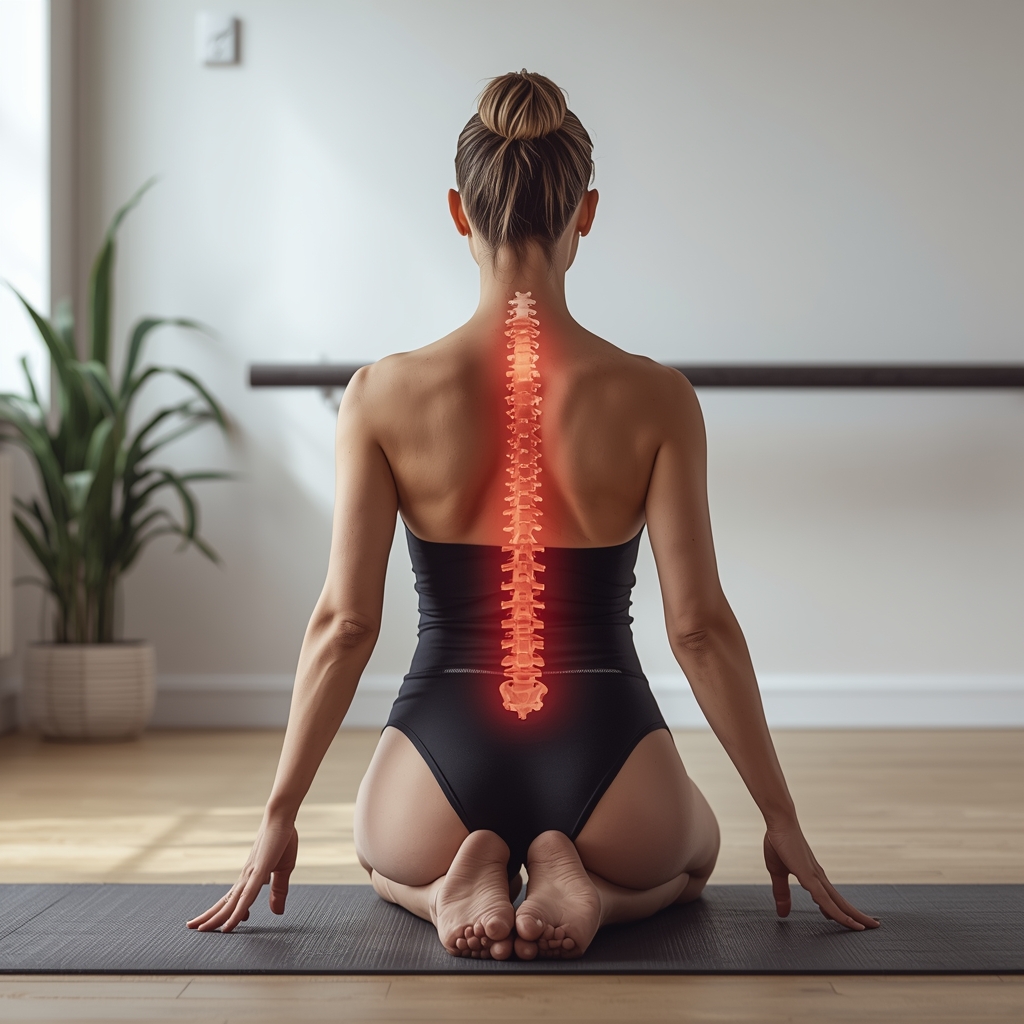
Introduction: A Dancer's Struggle with Sacroiliac Joint Dysfunction
Professional dancers often face unique physical challenges, and recurrent sacroiliac (SI) joint dysfunction can severely impact their mobility and career. For one dancer, persistent pain and instability in the lower back and hips led to frequent injuries and limited performance ability. Despite conventional treatments, the condition persisted, prompting a search for alternative solutions. Chiropractic care emerged as a viable option, offering a non-invasive approach to address the root causes of SI joint dysfunction. This story highlights how a personalized chiropractic plan helped the dancer regain function and return to their craft without surgical intervention.
Understanding Sacroiliac Joint Dysfunction
The sacroiliac joint connects the sacrum to the pelvis, playing a critical role in weight distribution and movement. Dysfunction in this area can cause pain in the lower back, hips, and legs, often mimicking other conditions like sciatica. Common causes include poor posture, muscular imbalances, or repetitive strain—challenges many dancers face. While rest and physical therapy may provide temporary relief, chronic cases often require targeted interventions. Chiropractic care focuses on realigning the spine and pelvis, reducing pressure on the SI joint and promoting natural healing. This approach aligns with the body’s ability to self-regulate when structural imbalances are corrected.
Chiropractic Interventions for SI Joint Relief
A chiropractor specializing in sports injuries and musculoskeletal conditions developed a tailored plan for the dancer. Spinal adjustments were used to restore proper alignment of the pelvis and lower back, alleviating stress on the SI joint. Soft tissue therapies, such as myofascial release, addressed tight muscles contributing to instability. The dancer also received guidance on movement patterns and strengthening exercises to support long-term recovery. By combining manual techniques with patient education, the chiropractor aimed to break the cycle of recurring pain and prevent future episodes.
Progress Through Consistent Care and Adaptation
Over several weeks, the dancer experienced gradual improvement. Pain levels decreased, and mobility increased, allowing for more confident movement during rehearsals. The chiropractor adjusted the treatment plan based on progress, incorporating new techniques like instrument-assisted soft tissue mobilization to target specific areas. The dancer also adopted ergonomic practices, such as proper warm-up routines and posture adjustments, to reduce strain. This collaborative approach emphasized the importance of patient engagement in achieving sustainable results.
Long-Term Outcomes and Preventive Strategies
After months of care, the dancer fully recovered and resumed performances without limitations. Chiropractic adjustments continued as a preventive measure, ensuring spinal stability and early detection of potential issues. The dancer also integrated corrective exercises into their routine, strengthening core and pelvic muscles to maintain balance. This proactive strategy minimized the risk of recurrence, highlighting the value of ongoing chiropractic support for high-performance individuals. The experience underscored the role of non-invasive care in managing chronic conditions and preserving physical function.
Conclusion: Chiropractic Care as a Viable Alternative
This case demonstrates how chiropractic care can effectively address recurrent sacroiliac joint dysfunction, offering a safe, non-surgical alternative for patients seeking long-term relief. By focusing on structural alignment, soft tissue health, and patient education, chiropractors empower individuals to take control of their recovery. For dancers and others with physically demanding lifestyles, this holistic approach can restore mobility and prevent future complications. While individual results may vary, this success story reflects the potential of chiropractic care to complement traditional treatments and support a return to active, pain-free living.













