
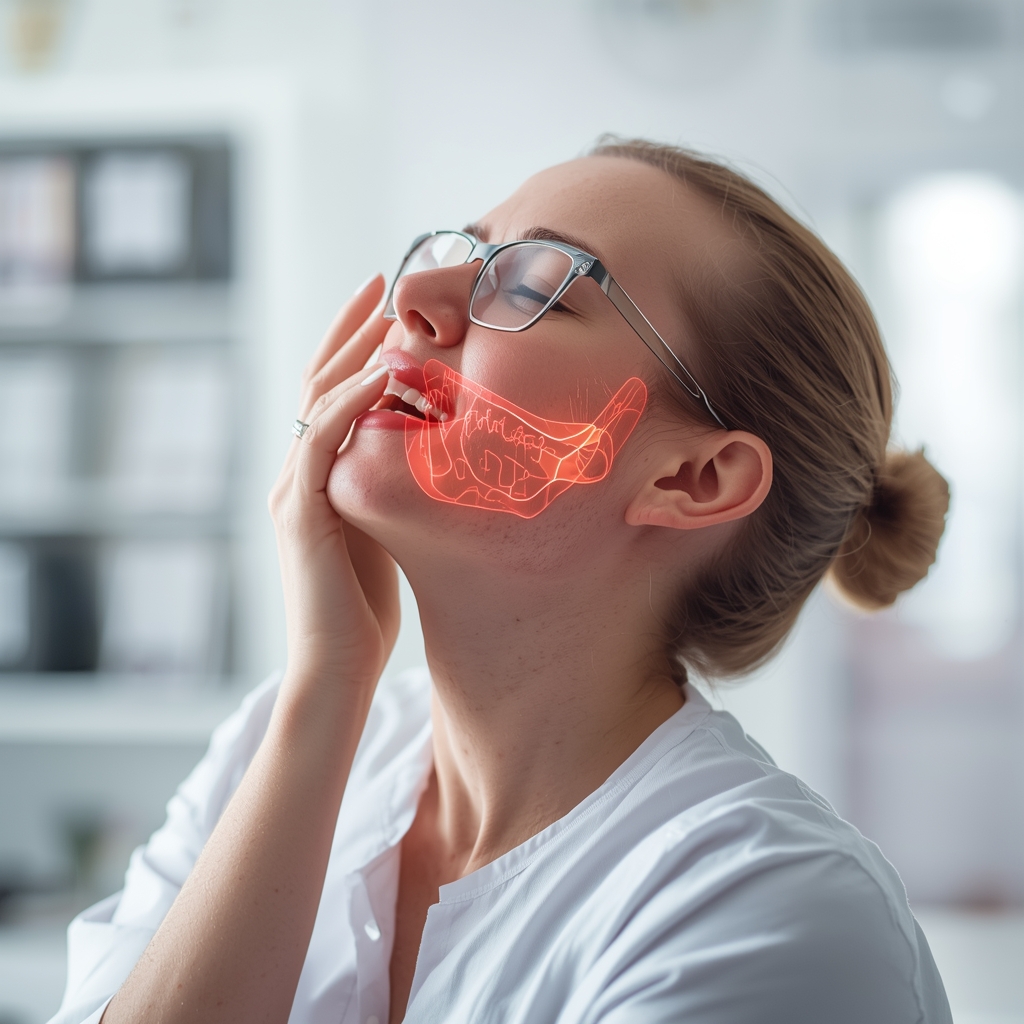
Understanding TMJ Disorders and General Jaw Pain
Temporomandibular joint (TMJ) disorders involve issues with the jaw joint and surrounding muscles, often causing pain, limited movement, and clicking sounds. General jaw pain may stem from teeth grinding, arthritis, or injuries. While both conditions affect the jaw, TMJ disorders are typically linked to misalignment or dysfunction in the temporomandibular joint itself. Chiropractic care focuses on identifying the root cause of TMJ symptoms, such as spinal misalignments or muscle tension, rather than just addressing surface-level discomfort. This holistic approach differentiates it from conventional treatments that may prioritize medication or dental interventions.
Chiropractic Care vs. General Jaw Pain Management
Traditional jaw pain management often includes anti-inflammatory drugs, dental appliances, or physical therapy. Chiropractic care for TMJ disorders emphasizes realigning the spine and jaw to restore balance in the musculoskeletal system. Techniques like spinal adjustments and soft tissue therapy aim to reduce nerve interference and muscle tension that contribute to jaw pain. This approach recognizes the connection between the neck, head, and jaw, addressing how postural issues or spinal misalignments can exacerbate TMJ symptoms. By targeting these underlying factors, chiropractors provide a non-invasive alternative to surgery or long-term medication use.
Spinal Adjustments for TMJ Relief
Spinal adjustments are a cornerstone of chiropractic care for TMJ disorders. Misalignments in the cervical spine (neck) can affect the nerves and muscles that control jaw movement, leading to pain and dysfunction. By gently realigning the vertebrae, chiropractors reduce pressure on these nerves, improving joint function and alleviating pain. Adjustments may also enhance blood flow and reduce inflammation in the jaw area. Patients often experience immediate relief after a session, with cumulative benefits over time. This technique is particularly effective when TMJ symptoms are tied to posture, neck strain, or repetitive stress injuries.
Soft Tissue Techniques and Muscle Relaxation
Chiropractors frequently use soft tissue therapies like Active Release Technique (ART) to address muscle tightness and trigger points in the jaw, neck, and shoulders. These methods help break up scar tissue and restore normal muscle function, reducing pain and improving range of motion. Techniques such as myofascial release and massage can also ease tension in the temporomandibular joint. By targeting the muscles that support the jaw, these therapies complement spinal adjustments and promote long-term relief. Patients may notice reduced headaches and improved jaw mobility as a result of these combined efforts.
Lifestyle and Ergonomic Modifications
Chiropractic care for TMJ disorders often includes recommendations for lifestyle changes to prevent symptom recurrence. Patients are advised to avoid habits like teeth grinding, chewing gum, or clenching the jaw. Ergonomic adjustments, such as proper posture and workstation setup, can reduce strain on the neck and jaw. Stress management techniques, like mindfulness or yoga, may also help, as stress can worsen TMJ symptoms. Chiropractors may suggest customized exercises to strengthen jaw muscles and improve flexibility. These strategies empower patients to take an active role in their recovery and maintenance.
Long-Term Strategies for Sustained Relief
For lasting TMJ relief, chiropractors develop personalized care plans that combine regular adjustments, soft tissue work, and lifestyle guidance. Some patients benefit from periodic maintenance visits to prevent relapse, while others may need ongoing support for chronic conditions. Education on proper jaw mechanics and self-care techniques is vital for long-term success. Chiropractors also collaborate with other healthcare providers, such as dentists or physical therapists, to ensure a comprehensive approach. By addressing both structural and behavioral factors, this multifaceted strategy helps patients achieve lasting comfort and improved quality of life.













