
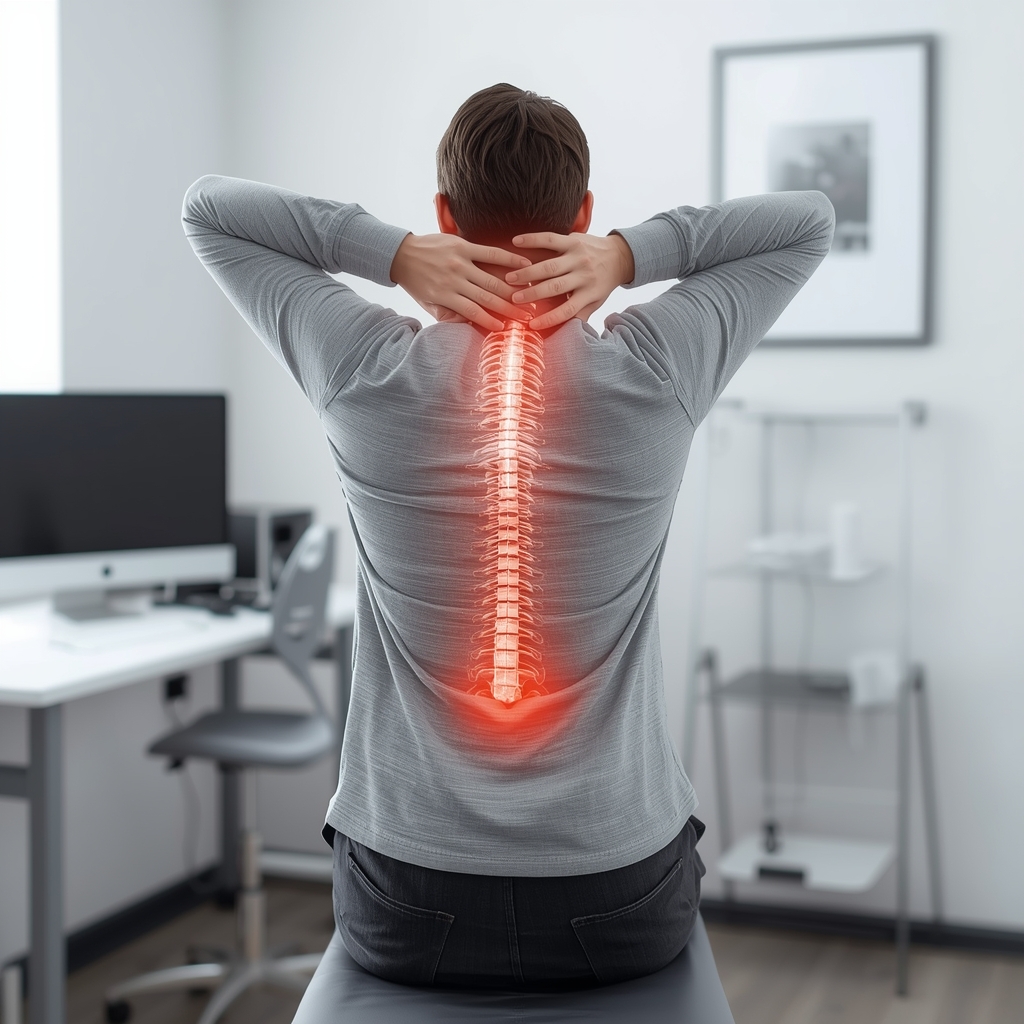
Understanding Delayed Onset Whiplash Symptoms
Whiplash injuries often present immediate symptoms like neck pain, stiffness, or headaches, but some patients experience delayed onset issues weeks after an auto accident. These delayed symptoms may include persistent pain, reduced range of motion, or even cognitive effects like dizziness. The spine’s complex structure and soft tissues can take time to show signs of strain. Chiropractic care offers a non-invasive approach to address these lingering issues by focusing on spinal alignment, soft tissue health, and overall musculoskeletal function. It is important to consult a qualified chiropractor to determine if this care aligns with your specific needs and recovery goals.
The Role of Spinal Adjustments
Spinal adjustments are a cornerstone of chiropractic care, aiming to restore proper alignment to the vertebrae. When whiplash occurs, the sudden force can misalign the spine, leading to nerve irritation, muscle tension, and restricted movement. By gently realigning the spine, chiropractors can reduce pressure on nerves, improve joint mobility, and promote natural healing. For delayed symptoms, these adjustments may help alleviate chronic pain and restore function. However, the effectiveness depends on the individual’s condition, and a chiropractor can develop a personalized plan to address specific concerns without making guarantees about outcomes.
Soft Tissue Therapy for Recovery
Whiplash often affects muscles, ligaments, and fascia, which may not show immediate symptoms but can contribute to long-term discomfort. Techniques like Active Release Technique (ART) or myofascial release help break down scar tissue, reduce muscle tension, and improve circulation. These therapies can be particularly beneficial for delayed symptoms, as they target the soft tissues that may have been strained during the accident. Chiropractors may combine these methods with adjustments to address both structural and muscular components of the injury. Patients should discuss their comfort levels and medical history with their provider to ensure these treatments are safe and appropriate for their situation.
Corrective Exercises for Long-Term Healing
Chiropractors often incorporate corrective exercises to strengthen weakened muscles, improve posture, and enhance spinal stability. These exercises are tailored to the patient’s condition and may include stretching, resistance training, or balance work. For delayed whiplash symptoms, such movements can help retrain the body’s alignment and prevent future complications. Consistency is key, as these exercises support the spine’s natural healing process. However, patients should follow their chiropractor’s guidance to avoid overexertion. Integrating these practices into daily routines can complement other chiropractic treatments and promote lasting recovery.
Managing Inflammation and Pain
Delayed whiplash symptoms may involve inflammation, which can prolong discomfort and hinder recovery. Chiropractic care often includes modalities like cold laser therapy or ultrasound to reduce inflammation and stimulate tissue repair. These non-invasive treatments can provide targeted relief without the need for medication. Additionally, chiropractors may recommend lifestyle adjustments, such as ergonomic changes or activity modifications, to minimize strain on the neck and spine. While these approaches can be effective, they should be discussed with a healthcare provider to ensure they align with the patient’s overall treatment plan and medical history.
Importance of Ongoing Chiropractic Monitoring
Recovery from delayed whiplash symptoms is often gradual, requiring ongoing evaluation and adjustments to the care plan. Regular chiropractic visits allow practitioners to track progress, address new concerns, and modify treatments as needed. This proactive approach helps prevent complications and ensures the body continues to heal effectively. Patients should communicate openly with their chiropractor about any changes in symptoms or discomfort. While chiropractic care can support recovery, it is not a substitute for medical advice. A qualified provider can help determine the best course of action based on individual needs and circumstances.













