
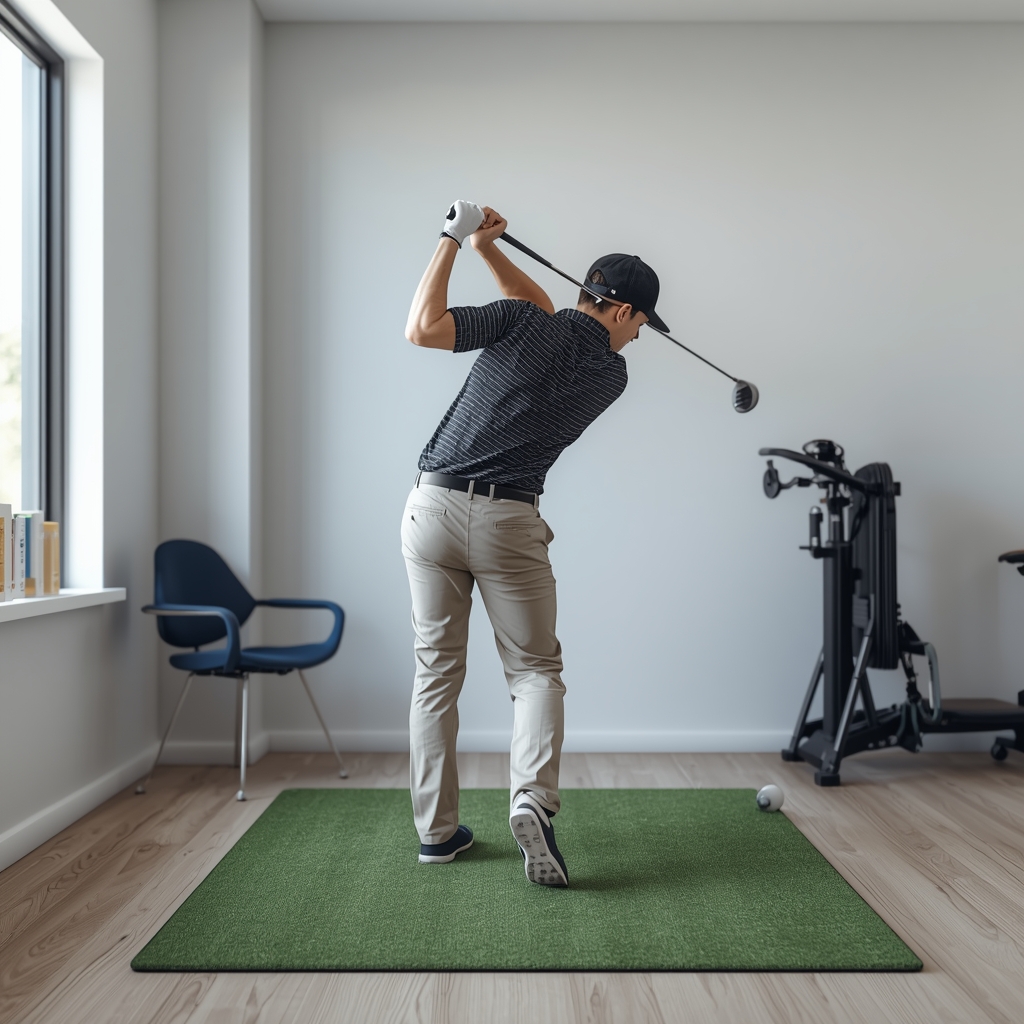
Understanding the Link Between Spinal Health and Golf Performance
Chiropractic care focuses on the body’s natural ability to heal itself through proper alignment of the musculoskeletal system. For golfers, a well-aligned spine is essential for optimal movement patterns, balance, and power generation during a swing. Misalignments, or subluxations, can restrict range of motion, reduce rotational efficiency, and contribute to compensatory movements that may lead to injury. By addressing these issues, chiropractors help golfers maintain a stable foundation, allowing for smoother, more controlled swings. Regular adjustments can also enhance nerve communication between the brain and muscles, improving coordination and reaction times on the course.
Key Adjustments for Optimizing Swing Mechanics
Chiropractors use targeted spinal adjustments to correct misalignments that hinder golf swing mechanics. The thoracic spine, in particular, plays a critical role in rotational movement, while the lumbar region supports stability during weight transfer. Adjustments to these areas can improve flexibility and reduce stiffness, enabling a fuller turn and more efficient energy transfer. Additionally, adjustments to the pelvis and sacrum help ensure proper weight distribution, which is vital for maintaining balance throughout the swing. By restoring joint mobility and muscle function, these techniques support a more natural, powerful swing motion without excessive strain on the body.
Preventing Common Golf-Related Injuries
Golfers often experience injuries due to repetitive motions, poor posture, or overuse. Lower back pain, shoulder strain, and wrist injuries are frequent concerns. Chiropractic care addresses these risks by improving joint mobility, reducing muscle tension, and correcting biomechanical imbalances. For example, adjustments to the cervical and thoracic spine can alleviate neck and upper back discomfort caused by poor swing posture. Soft tissue therapies, such as massage or myofascial release, further support injury prevention by relaxing tight muscles and enhancing blood flow. Regular chiropractic checkups help identify and resolve minor issues before they escalate into chronic problems.
Techniques for Enhancing Flexibility and Range of Motion
Flexibility and range of motion are critical for a fluid golf swing. Chiropractors employ techniques like soft tissue therapy, stretching protocols, and joint mobilization to improve these factors. Active Release Technique (ART) is particularly effective for breaking down scar tissue and restoring muscle elasticity, which can enhance rotational movement. Chiropractors may also recommend specific stretches or exercises to maintain mobility in the hips, shoulders, and spine. By combining manual adjustments with tailored flexibility routines, golfers can achieve a more efficient swing while reducing the risk of overuse injuries. These approaches work synergistically to support long-term athletic performance.
The Role of Corrective Exercises in Golf Fitness
Chiropractors often integrate corrective exercises into treatment plans to reinforce the benefits of adjustments and prevent future issues. These exercises target weak or imbalanced muscles that may contribute to poor swing mechanics or injury risk. For example, core strengthening routines improve stability, while hip mobility drills enhance rotational power. Golf-specific movements, such as resistance band rotations or balance exercises, mimic the demands of the sport to build functional strength. By addressing muscular imbalances and reinforcing proper movement patterns, corrective exercises help golfers maintain the improvements achieved through chiropractic care, leading to more consistent and injury-free performance.
Working With a Chiropractor for Personalized Care
Every golfer’s body is unique, so personalized chiropractic care is essential for achieving optimal results. A qualified chiropractor will assess individual biomechanics, identify specific areas of concern, and create a tailored treatment plan. This may include regular adjustments, soft tissue work, and customized exercise recommendations. Open communication with the chiropractor ensures that the care plan evolves with the golfer’s needs, whether they are recovering from an injury or seeking to improve performance. By combining professional expertise with consistent self-care, golfers can maximize the benefits of chiropractic care and enjoy a healthier, more effective golf game.














