
Ergonomic Adjustments for Winter Sports Equipment
Ergonomic adjustments begin with proper equipment setup. For skiing or snowboarding, ensure your bindings are correctly aligned with your boots to distribute pressure evenly. A chiropractor can help assess your stance and suggest adjustments to reduce strain on your lower back. Adjusting the length of skis or the angle of your snowboard can also improve balance, minimizing awkward movements that stress the spine. Wearing supportive gear, like a well-fitted backpack for hiking or a waist belt for skiing, helps maintain proper posture. These small changes create a foundation for safer, more comfortable winter activities while protecting your musculoskeletal system.
Chiropractic Techniques to Support Spinal Stability
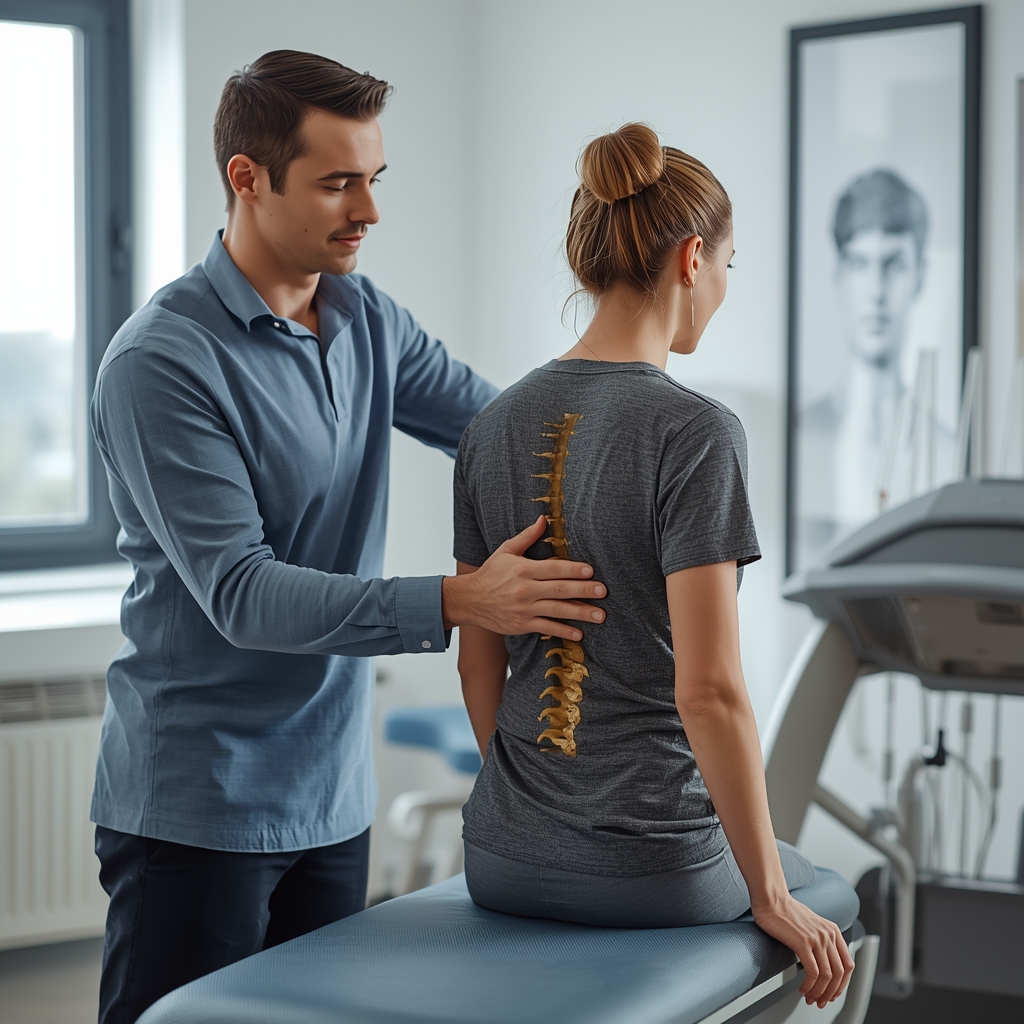
Chiropractic adjustments can enhance spinal alignment, crucial for winter sports that demand flexibility and balance. Techniques like spinal manipulation or soft tissue therapy may alleviate tension in muscles strained during physical exertion. Active Release Technique (ART) is particularly useful for addressing tightness in the lower back or hips, common in repetitive motion sports. Regular chiropractic care can improve joint mobility and reduce the risk of injury. By maintaining optimal spinal function, these methods help the body withstand the demands of snow sports. Always consult a licensed chiropractor to determine the best approach for your specific needs.
Pre-Sport Preparation and Warm-Up Routines
Dynamic warm-ups are essential before winter sports to prepare muscles and joints. Focus on movements that mimic the activity, such as leg swings, hip circles, or torso twists, to increase blood flow and flexibility. A chiropractor may recommend corrective exercises to strengthen core and postural muscles, which stabilize the spine during high-impact activities. Stretching tight areas like the hamstrings or hip flexors can prevent compensatory movements that strain the back. Incorporating balance drills, such as single-leg stands or stability ball exercises, further enhances readiness. Proper preparation reduces the likelihood of sudden injuries and supports long-term musculoskeletal health.
Post-Sport Recovery and Injury Prevention
After winter sports, recovery practices are vital to mitigate strain. Gentle stretching, foam rolling, or yoga can ease muscle tightness and promote circulation. A chiropractor may use decompression therapy or instrument-assisted soft tissue techniques to address minor misalignments or overuse. Rest and hydration are critical to allow the body to repair itself. If pain persists, seeking professional care prevents minor issues from worsening. Regular check-ups with a chiropractor can identify early signs of strain, ensuring timely intervention. Prioritizing recovery maintains long-term mobility and reduces the risk of chronic back problems.
Adapting to Cold Weather Conditions
Cold weather affects muscle elasticity and joint mobility, increasing injury risk. Wearing layers to stay warm and using hand warmers can prevent stiffness in the upper back and shoulders. A chiropractor might suggest specific stretches or mobility exercises to counteract cold-induced tightness. Staying hydrated and maintaining proper nutrition supports muscle function in low temperatures. Avoiding abrupt movements when transitioning from warm to cold environments reduces strain on the spine. By adapting routines to seasonal challenges, individuals can enjoy winter sports with greater comfort and safety.
Collaborating with a Chiropractor for Personalized Care
Each person’s body responds differently to physical activity, making personalized chiropractic care essential. A chiropractor can evaluate your biomechanics, identify potential weaknesses, and create a tailored plan to prevent back strain. This may include adjustments, ergonomic recommendations, or exercises to address specific needs. Regular consultations ensure adjustments keep pace with changing activity levels or seasonal demands. By working with a professional, individuals gain proactive tools to maintain spinal health. This collaborative approach empowers athletes to engage in winter sports confidently while minimizing injury risks.














