
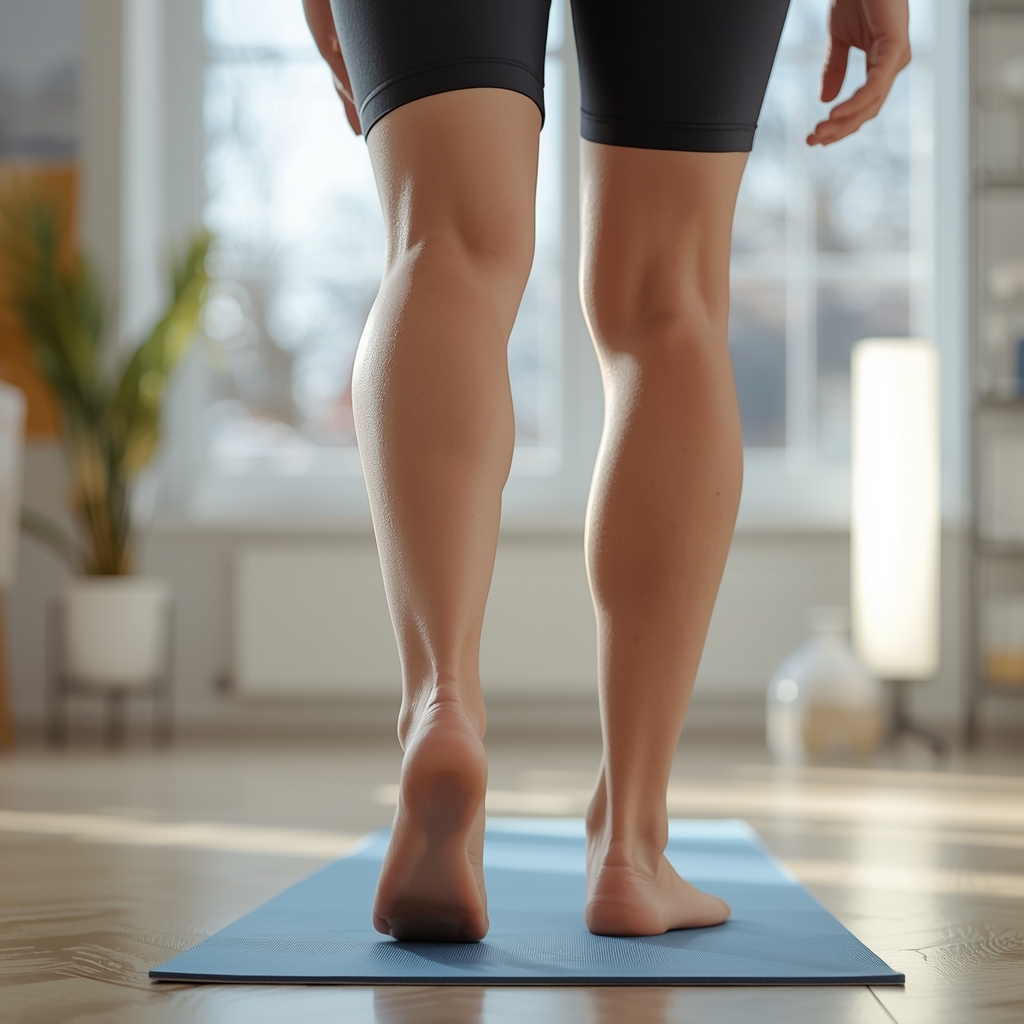
Understanding the Biomechanical Link Between Hips and Knees
Hip imbalances can significantly impact knee function, creating a chain reaction of strain throughout the lower body. When the hips are misaligned or weak, it alters the way a person walks, placing uneven pressure on the knees. This biomechanical disruption often leads to pain, discomfort, and long-term joint wear. Chiropractors recognize this connection as a critical factor in diagnosing and treating knee pain, especially when traditional approaches fail to address the root cause. By evaluating how the body moves, chiropractors can identify subtle imbalances that contribute to knee issues, setting the stage for targeted interventions. This holistic perspective ensures treatment plans address both symptoms and underlying structural issues, offering patients a more comprehensive path to recovery.
What Is Gait Analysis and How Does It Help?
Gait analysis is a diagnostic tool used to assess a person’s walking pattern, identifying irregularities that may contribute to pain or injury. Chiropractors use this technique to observe how hip imbalances affect movement, such as excessive inward knee rotation or uneven weight distribution. By analyzing gait, practitioners can pinpoint specific biomechanical flaws that strain the knees over time. This process often involves video recordings, pressure-sensitive mats, or visual observation to capture detailed movement data. The insights gained from gait analysis allow chiropractors to develop personalized strategies to correct these issues. For patients with knee pain linked to hip imbalances, this step is crucial in creating an effective treatment plan that restores natural movement patterns and reduces joint stress.
How Hip Imbalances Contribute to Knee Pain
Imbalances in the hips, such as muscle weakness, joint stiffness, or misalignment, can throw off the entire kinetic chain, directly affecting the knees. For example, weak gluteal muscles may cause the hip to drop during walking, leading to increased stress on the knee joint. Similarly, a restricted hip joint can alter the angle at which the leg strikes the ground, creating compensatory movements that strain the knee. Over time, these repetitive stresses can lead to conditions like patellofemoral pain syndrome or iliotibial band syndrome. Chiropractors address these imbalances by restoring proper hip function through adjustments, soft tissue work, and targeted exercises. By correcting hip dysfunction, they help alleviate the secondary strain on the knees, promoting long-term relief and improved mobility.
The Role of Custom Orthotics in Correcting Gait
Custom orthotics are specialized shoe inserts designed to support and align the feet, which in turn helps correct improper gait patterns. For patients with knee pain stemming from hip imbalances, orthotics can play a vital role in redistributing pressure and stabilizing the lower body. By addressing foot mechanics, these devices help realign the hips and reduce the abnormal forces that contribute to knee strain. Chiropractors often collaborate with orthotic specialists to create personalized solutions that match a patient’s unique biomechanics. When combined with gait analysis, orthotics provide a targeted approach to correcting movement flaws. This integrated strategy not only alleviates current knee pain but also prevents future complications by promoting healthier walking patterns and reducing joint wear over time.
Integrating Gait Analysis and Orthotics into Treatment Plans
Chiropractors use gait analysis and custom orthotics as part of a multifaceted approach to treating knee pain caused by hip imbalances. After identifying movement irregularities through gait assessment, they may recommend orthotics to stabilize the feet and improve alignment. This is often paired with spinal adjustments, muscle strengthening exercises, and soft tissue therapies to address the root causes of imbalance. The goal is to create a balanced, efficient movement pattern that reduces stress on the knees. Patients may also receive guidance on proper footwear and movement techniques to support their recovery. By combining these tools, chiropractors offer a comprehensive solution that addresses both immediate symptoms and long-term joint health, helping patients regain mobility and reduce pain effectively.
When to Consult a Chiropractor for Knee Pain
If knee pain persists despite rest, exercise, or over-the-counter treatments, it may be linked to underlying hip imbalances that require professional evaluation. Chiropractors are trained to identify these connections and develop tailored treatment plans that address the whole body, not just the site of pain. Gait analysis and custom orthotics are just two of the many tools available to correct biomechanical issues contributing to knee discomfort. Patients experiencing chronic pain, instability, or difficulty with daily activities should seek a chiropractic consultation to explore these options. A qualified chiropractor can assess individual needs, recommend appropriate interventions, and monitor progress over time. By taking a proactive approach, patients can often avoid more invasive treatments and achieve lasting relief through non-surgical, drug-free care.















