
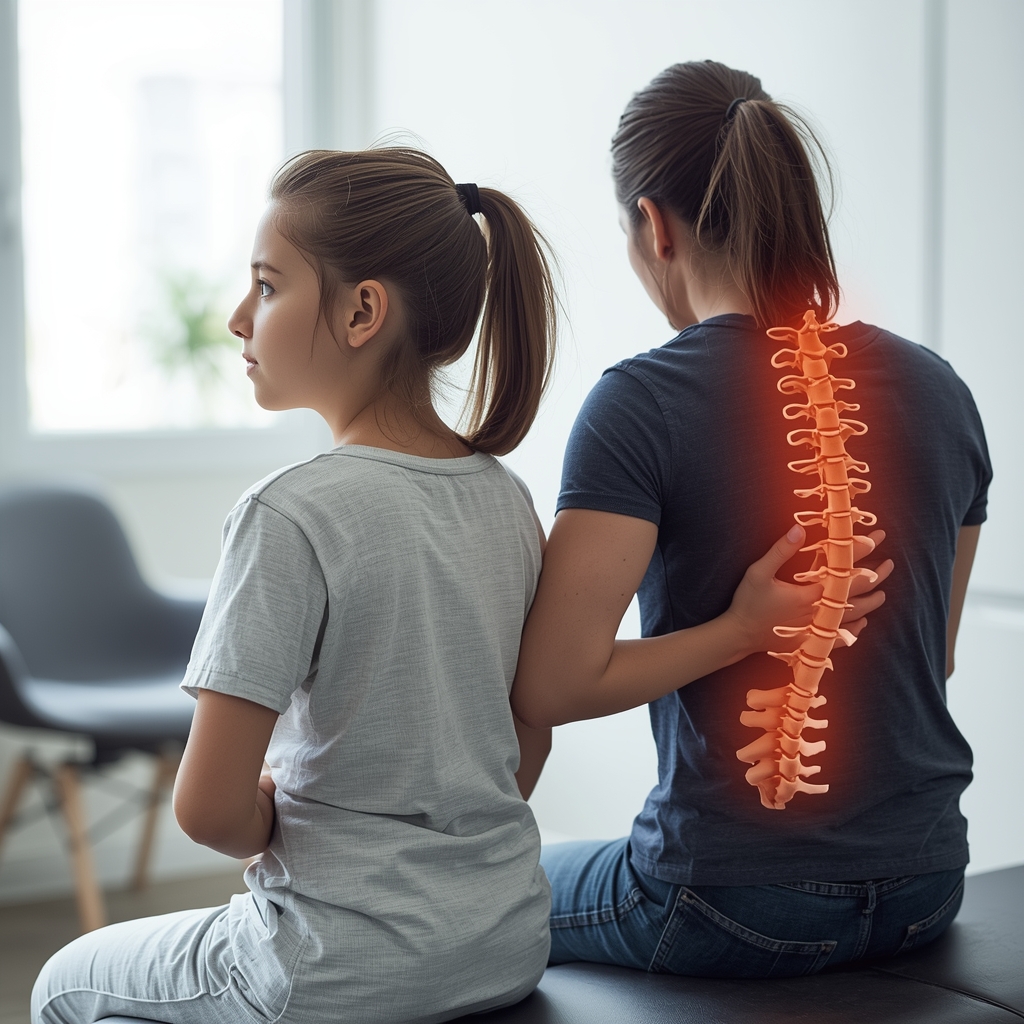
Understanding the Unique Needs of Children
Children’s spines are still developing, making gentle, age-appropriate adjustments critical. Chiropractors use specialized techniques like the Activator Method or low-force mobilization to address issues such as posture imbalances, sports-related injuries, or congenital conditions. For infants, adjustments are extremely light, often involving fingertip pressure to realign the spine. As children grow, chiropractors focus on supporting natural development while addressing common concerns like scoliosis or hypermobility. Regular checkups can help identify and correct minor misalignments early, promoting long-term spinal health and reducing the risk of future complications. Parents should consult a qualified chiropractor who specializes in pediatric care to ensure safe and effective treatment.
Adapting Care for Adolescents
Adolescents experience rapid physical changes, including growth spurts and increased physical activity, which can strain their developing spines. Chiropractors tailor adjustments to accommodate these shifts, focusing on posture, sports injuries, and spinal alignment. Techniques may include soft tissue therapy to address muscle tension or spinal manipulations to correct subluxations caused by poor posture or repetitive movements. For teens involved in sports, chiropractors often emphasize injury prevention and performance optimization. They also consider the emotional and psychological aspects of adolescence, as stress and anxiety can manifest as physical tension. By combining targeted adjustments with lifestyle guidance, chiropractors help adolescents maintain spinal health during this transformative period.
Special Considerations for Seniors
Seniors often face age-related spinal challenges, such as degenerative disc disease, osteoporosis, or reduced mobility. Chiropractors use modified techniques, like the drop table method or extremity adjustments, to minimize pressure on the spine while addressing pain and stiffness. The goal is to improve flexibility, reduce inflammation, and enhance overall quality of life. For seniors with chronic conditions, chiropractors collaborate with other healthcare providers to ensure safe, integrated care. Gentle mobilization and therapeutic exercises are frequently incorporated to support joint health and balance. Regular chiropractic visits can also help manage conditions like sciatica or arthritis, offering non-invasive alternatives to medication or surgery. Seniors should work with chiropractors experienced in geriatric care to tailor treatments to their unique needs.
Common Strategies Across Age Groups
Despite differences in age, chiropractors prioritize personalized care that considers each patient’s health history, lifestyle, and goals. A thorough initial assessment, including posture analysis and range-of-motion tests, guides treatment plans. For all age groups, chiropractors emphasize the importance of regular spinal checkups to detect and correct misalignments before they worsen. Techniques like soft tissue therapy, rehabilitative exercises, and ergonomic advice are often used across demographics to support spinal health. Chiropractors also educate patients on posture, movement patterns, and self-care practices to reinforce the benefits of adjustments. By combining evidence-based methods with patient-centered communication, chiropractors help individuals of all ages maintain a healthy, functional spine.
Collaborative Care and Patient Education
Chiropractors often work alongside other healthcare professionals to ensure comprehensive care, especially for patients with complex conditions. For children, this might involve coordination with pediatricians or physical therapists. For seniors, collaboration with geriatricians or pain management specialists can enhance treatment outcomes. Patient education is a cornerstone of chiropractic care, empowering individuals to make informed decisions about their health. Chiropractors teach patients about the importance of spinal alignment, the role of nutrition, and the benefits of regular movement. By fostering a partnership between provider and patient, chiropractors help individuals develop lifelong habits that support spinal wellness. This collaborative approach ensures that care is not only effective but also sustainable over time.
Encouraging Lifelong Spinal Health
Spinal health is a lifelong journey that requires consistent attention and care. Chiropractors play a vital role in helping individuals of all ages maintain optimal function and prevent future complications. By adapting techniques to meet the unique needs of children, adolescents, and seniors, chiropractors support the body’s natural ability to heal and adapt. Regular adjustments, combined with lifestyle modifications, can reduce pain, improve mobility, and enhance overall well-being. It’s important for patients to communicate openly with their chiropractor about their symptoms, goals, and concerns to ensure the most effective treatment. Whether addressing acute issues or focusing on preventive care, chiropractic services offer a valuable resource for promoting lifelong spinal health and vitality.












