
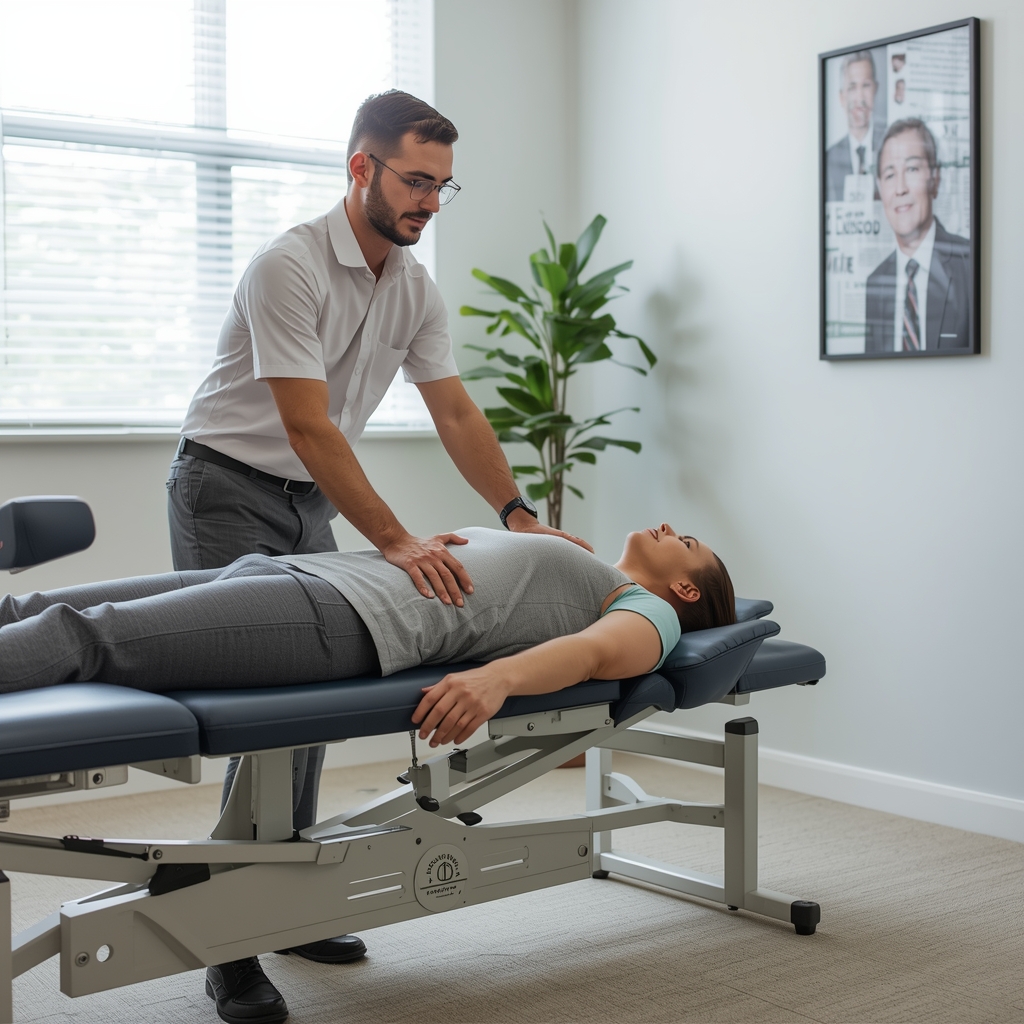
Introduction to Spinal Decompression Techniques
Spinal decompression is a non-surgical approach used to alleviate pressure on compressed nerves, particularly in conditions like lumbar disc herniation. Chiropractors often demonstrate this technique to help patients understand how it can reduce pain and improve mobility. The process typically involves gently stretching the spine to create space between vertebrae, which may relieve pressure on the discs and surrounding nerves. Effective demonstrations require clear communication about the purpose, benefits, and limitations of the procedure. By visually explaining the mechanics, chiropractors can help patients feel more comfortable and informed about their treatment options. This foundational knowledge sets the stage for safe and effective practice.
Demonstration Techniques for Lumbar Disc Herniation
When demonstrating spinal decompression for lumbar disc herniation, chiropractors should prioritize clarity and safety. Begin by explaining the patient’s position, such as lying on a specialized table or using a traction device. Use simple language to describe how the spine is gently stretched to reduce disc pressure. Visual aids, like diagrams or models, can enhance understanding. Emphasize that the goal is to relieve nerve compression while avoiding excessive force. Chiropractors should also highlight the importance of patient feedback during the process, ensuring comfort and adjusting techniques as needed. This hands-on approach helps patients grasp the procedure’s purpose and fosters trust in the treatment plan.
Essential Equipment for Safe Execution
Proper equipment is critical for safe spinal decompression. A specialized decompression table allows controlled, gradual stretching of the spine, minimizing risks. Traction devices with adjustable settings enable precise pressure application, tailored to the patient’s condition. Chiropractors may also use digital monitoring tools to track spinal alignment and pressure levels in real time. Supportive cushions or straps can enhance patient comfort during sessions. All equipment must be regularly maintained and inspected to ensure reliability. By investing in quality tools, chiropractors create a safer environment for patients, reinforcing the effectiveness of decompression techniques while adhering to professional standards.
Safety Protocols During Demonstrations
Chiropractors must prioritize safety when demonstrating spinal decompression. Begin by screening patients for contraindications, such as severe osteoporosis or spinal instability, which may make the procedure unsuitable. During the demonstration, maintain open communication to address any discomfort or concerns. Use gentle, incremental movements to avoid overstretching the spine. Document the patient’s response and adjust techniques accordingly. Always emphasize that decompression should never cause pain, and patients should report any unusual sensations immediately. By adhering to these protocols, chiropractors ensure a secure environment for learning and treatment, reinforcing the importance of professional oversight in spinal care.
Patient Education and Communication
Clear communication is vital when educating patients about spinal decompression. Chiropractors should explain the procedure’s mechanics, expected outcomes, and potential risks in accessible terms. Address common misconceptions, such as the belief that decompression is painful or ineffective. Encourage patients to ask questions and express concerns before, during, and after the demonstration. Providing written materials or videos can reinforce key points. By fostering a supportive dialogue, chiropractors empower patients to make informed decisions about their care. This approach not only builds trust but also enhances the likelihood of successful treatment outcomes through shared understanding.
Conclusion: Integrating Demonstrations into Practice
Effectively demonstrating spinal decompression techniques for lumbar disc herniation requires a balance of technical skill, patient-centered communication, and adherence to safety standards. By using appropriate equipment and clear explanations, chiropractors can help patients grasp the benefits of the procedure while minimizing anxiety. These demonstrations serve as valuable tools for building trust and ensuring informed consent. As part of a comprehensive treatment plan, decompression techniques can offer relief for specific spinal conditions. Chiropractors should continue refining their methods to provide safe, effective, and educational experiences for patients seeking non-surgical solutions.














