
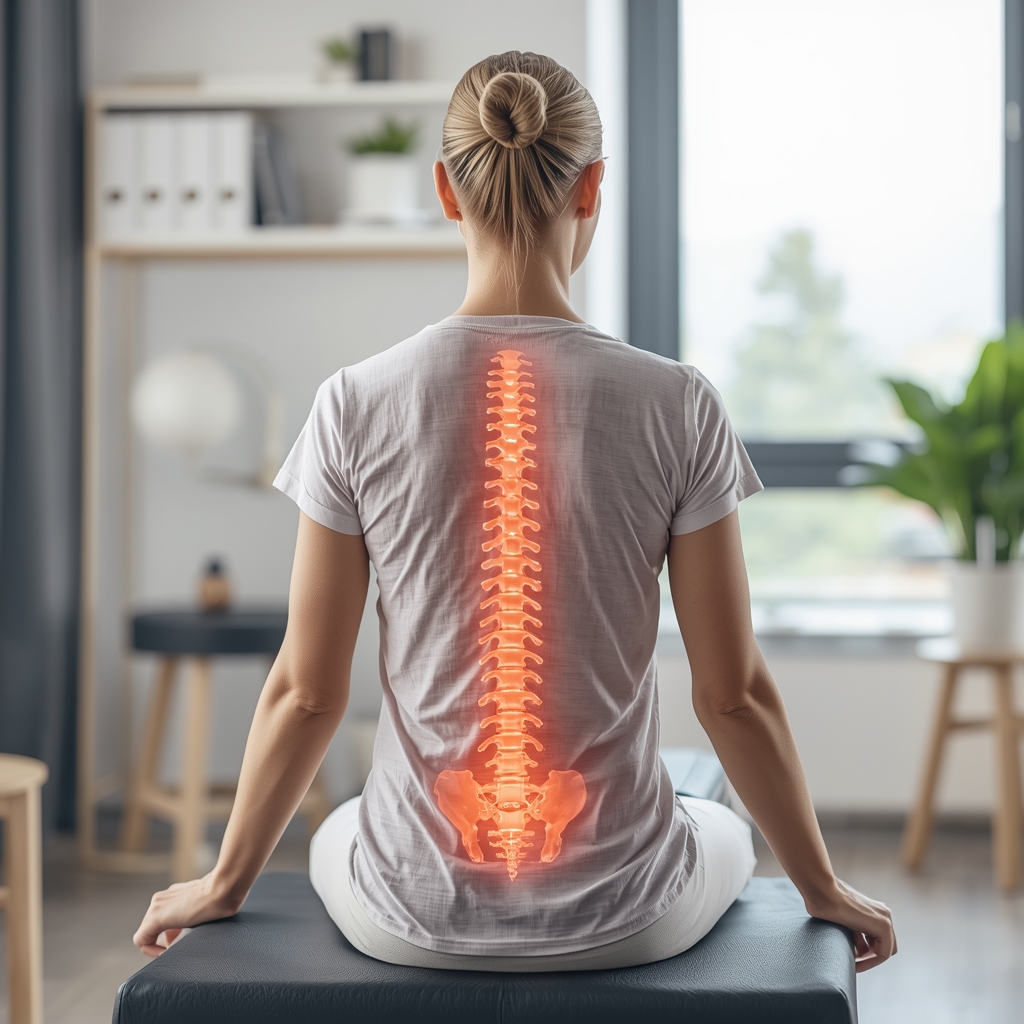
Understanding the Link Between Posture and Piriformis Syndrome
Piriformis syndrome occurs when the piriformis muscle in the buttocks compresses the sciatic nerve, causing pain radiating down the leg. Poor posture, such as prolonged sitting or slouching, can strain this muscle and increase pressure on the nerve. Chiropractors play a key role in educating patients about how daily postural habits contribute to this condition. By addressing misalignments and muscle imbalances, they help patients recognize how even small adjustments—like maintaining a neutral spine or avoiding crossed legs—can reduce risk. This foundational knowledge empowers patients to take proactive steps in their daily routines, fostering long-term musculoskeletal health.
Common Postural Issues That Contribute to Piriformis Syndrome
Several postural habits are linked to piriformis syndrome. Sitting for extended periods with a rounded back or hips tucked under can tighten the piriformis muscle. Similarly, standing with weight shifted to one side or wearing high heels may alter pelvic alignment, increasing strain. Forward head posture, often caused by screen use, can also create compensatory changes in the lower body. Chiropractors teach patients to identify these patterns through visual cues and self-assessment. By highlighting the connection between posture and muscle tension, they help individuals understand how everyday choices impact their risk of developing this condition.
Practical Postural Adjustments for Daily Life
Simple changes in daily routines can significantly reduce piriformis syndrome risk. For seated work, chiropractors recommend ergonomic setups: adjust chair height so feet rest flat on the floor, use lumbar support, and take frequent breaks to stand and stretch. When standing, distribute weight evenly and avoid locking knees. Sleeping on the back or side with a supportive pillow between the knees can prevent hip rotation. Chiropractors also emphasize the importance of proper footwear and avoiding prolonged sitting. These adjustments, when practiced consistently, create a supportive environment for the musculoskeletal system, minimizing strain on the piriformis muscle.
The Role of Chiropractors in Posture Education
Chiropractors use hands-on assessments and patient education to address postural imbalances. During evaluations, they identify misalignments or muscle tightness contributing to poor posture. They then provide personalized guidance on corrective techniques, such as stretching routines or ergonomic adjustments. Regular follow-ups allow for monitoring progress and refining strategies. By combining manual therapies with lifestyle education, chiropractors empower patients to make informed decisions about their posture. This collaborative approach not only prevents piriformis syndrome but also supports overall spinal health and mobility.
Exercises to Support Postural Health
Chiropractors often recommend targeted exercises to strengthen muscles that support proper posture. Stretching the piriformis, hip flexors, and hamstrings can alleviate tension, while strengthening the glutes and core improves stability. Simple movements like seated figure-four stretches, clamshells, and planks are commonly suggested. Patients are encouraged to perform these exercises daily, ideally under a chiropractor’s guidance to ensure correct form. By integrating these practices into their routines, individuals can reinforce healthy postural habits and reduce the likelihood of piriformis syndrome development.
Consistency and Long-Term Prevention Strategies
Preventing piriformis syndrome requires sustained attention to posture and movement. Chiropractors emphasize the importance of consistency, reminding patients that small, daily adjustments yield lasting results. They may suggest using posture reminders, such as apps or ergonomic tools, to maintain awareness. Regular chiropractic visits help track progress and address emerging issues before they escalate. By fostering a proactive mindset, chiropractors enable patients to navigate daily challenges with confidence, reducing the risk of musculoskeletal strain and promoting long-term wellness.












