
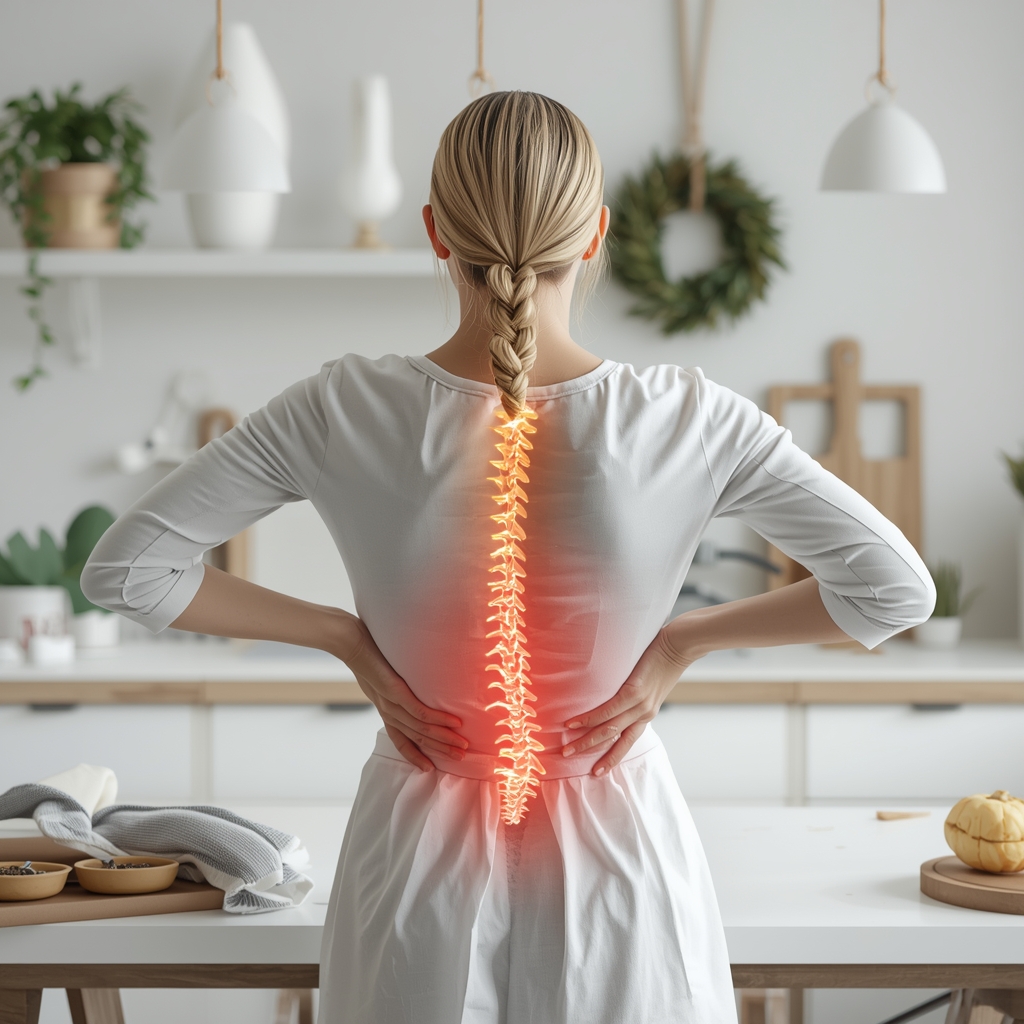
Understanding Holiday Activities That Cause Back Strain
During the holidays, activities like lifting heavy decorations, bending to wrap gifts, or standing for long periods while cooking can strain the back. Chiropractors can help patients recognize these risks by explaining how improper posture or repetitive motions may lead to muscle strain or disc pressure. For example, twisting while carrying a turkey or slouching while decorating cookies can misalign the spine. Educating patients on the mechanics of their movements fosters awareness, enabling them to adjust habits proactively. By linking holiday routines to spinal health, chiropractors empower individuals to prioritize body mechanics as part of their seasonal preparations.
Posture Tips for Cooking and Decorating
Proper posture is critical during holiday tasks. Chiropractors can advise patients to keep their backs straight, engage core muscles, and avoid bending at the waist when lifting. For instance, when reaching for items on high shelves, patients should use a step stool and keep the object close to their body. During cooking, alternating between standing and sitting, or using a stool to rest legs, reduces lower back pressure. Chiropractors might also recommend adjusting workspaces—like raising a cutting board to elbow height—to minimize slouching. By integrating these posture adjustments into daily routines, patients can prevent cumulative strain and maintain spinal alignment throughout the season.
Ergonomic Tools and Techniques
Chiropractors can introduce patients to ergonomic tools that ease holiday tasks. For example, using a dolly for heavy boxes or a long-handled broom for cleaning reduces bending and twisting. Patients may also benefit from adjustable kitchen tools, such as ergonomic knives or rolling pins, which minimize hand and wrist strain. Chiropractors can demonstrate techniques like the “log roll” method for lifting objects—bending knees, keeping the back straight, and using leg muscles. By recommending these practical solutions, chiropractors help patients adapt their environments to support spinal health without sacrificing holiday traditions.
Stretching and Warm-Up Routines
Incorporating gentle stretches before holiday activities can prevent injuries. Chiropractors might suggest neck rolls, shoulder shrugs, or hamstring stretches to prepare muscles for movement. For example, a simple cat-cow stretch improves spinal flexibility, while a standing forward bend relieves lower back tension. Patients can also perform quick warm-ups, like marching in place or arm circles, to increase blood flow. Chiropractors may provide printed guides or video demonstrations to help patients practice these routines at home. By making stretching a habit, individuals reduce the risk of sudden strains and enhance overall mobility during busy holiday periods.
Recognizing Early Signs of Strain
Chiropractors play a key role in helping patients identify early signs of back strain, such as persistent aches, limited range of motion, or radiating pain. Patients should be advised to monitor their bodies after activities like carrying groceries or decorating. If discomfort arises, resting, applying ice, or gentle movement may alleviate symptoms. Chiropractors can emphasize the importance of not ignoring subtle signals, as minor issues can escalate into chronic problems. By fostering a proactive approach, patients learn to seek care promptly, preventing minor strains from becoming severe injuries that disrupt holiday plans.
Chiropractic Guidance for Holiday Safety
Chiropractors can offer personalized advice to help patients navigate holiday activities safely. This includes discussing individual risk factors, such as pre-existing back conditions or mobility limitations. During consultations, chiropractors might recommend tailored exercises or adjustments to address specific concerns. They can also provide resources on safe lifting techniques or ergonomic home setups. By maintaining open communication, chiropractors ensure patients feel supported in making informed decisions. This guidance not only prevents strain but also reinforces the value of preventive care, helping individuals enjoy the holidays with greater comfort and confidence.













