
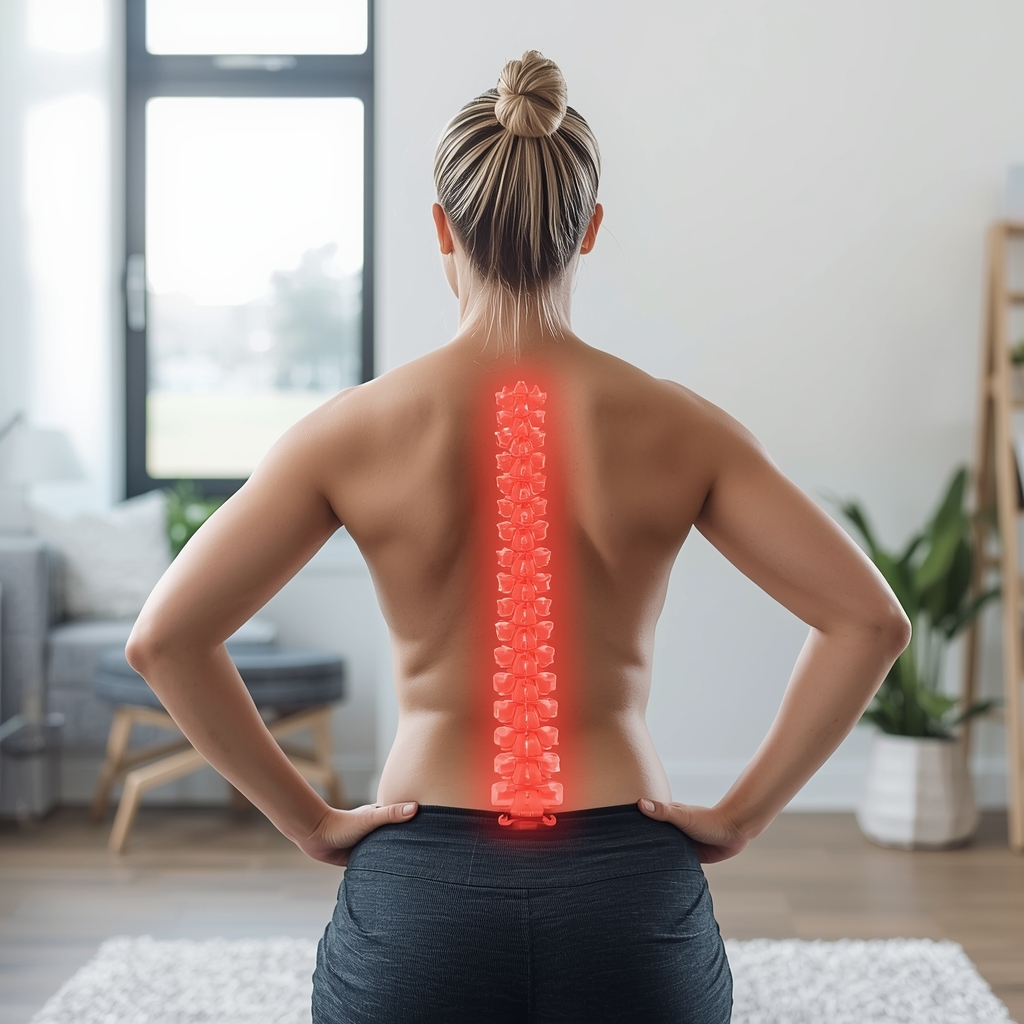
Understanding IT Band Syndrome and the Role of Interdisciplinary Care
Iliotibial band syndrome (ITBS) is a common overuse injury affecting the outer thigh and knee, often seen in runners and athletes. Chronic cases can lead to persistent pain and reduced mobility, making comprehensive care essential. While chiropractors focus on spinal alignment and musculoskeletal function, physical therapists specialize in movement mechanics and rehabilitation. By collaborating, these professionals can address both structural and functional aspects of ITBS. Chiropractors may identify spinal misalignments contributing to biomechanical imbalances, while physical therapists design targeted exercises to strengthen weak muscles and improve flexibility. This interdisciplinary approach ensures a holistic treatment plan, reducing the risk of recurrence and accelerating recovery. Patients benefit from a synergy of expertise, combining manual adjustments with therapeutic exercises to restore optimal function.
Establishing Effective Communication Between Chiropractors and Physical Therapists
Successful collaboration hinges on open communication between chiropractors and physical therapists. Regular case discussions, shared patient records, and coordinated treatment schedules help align goals and strategies. For ITBS patients, this means exchanging insights on posture, gait patterns, and muscle imbalances. Chiropractors might note spinal or pelvic misalignments affecting IT band tension, while physical therapists track progress in strength and flexibility. Clear communication also ensures patients receive consistent advice, avoiding conflicting recommendations. Jointly developing care plans allows both professionals to leverage their strengths—chiropractors addressing structural issues and PTs focusing on movement retraining. This teamwork fosters trust and improves patient outcomes, as each discipline complements the other’s efforts. Ultimately, a unified approach reduces recovery time and enhances long-term results for chronic ITBS sufferers.
Combining Chiropractic Adjustments with Physical Therapy Techniques
Chiropractic adjustments and physical therapy interventions can work synergistically to alleviate ITBS symptoms. Chiropractors may perform spinal or pelvic adjustments to correct misalignments that contribute to excessive IT band strain. These adjustments can restore proper biomechanics, reducing abnormal stress on the knee and thigh. Meanwhile, physical therapists employ techniques like soft tissue mobilization, stretching, and strengthening exercises to target the IT band and surrounding muscles. For example, foam rolling and myofascial release can ease tightness, while hip abductor exercises improve stability. Combining these methods addresses both the root causes and symptoms of ITBS. Patients often experience faster relief when manual adjustments are paired with targeted rehabilitation. This integrated strategy not only manages pain but also prevents future flare-ups by correcting underlying imbalances. Both disciplines play vital roles in restoring function and promoting long-term musculoskeletal health.
Customizing Treatment Plans for Chronic Cases
Chronic ITBS requires individualized treatment plans that adapt to each patient’s unique needs. Chiropractors and physical therapists collaborate to assess factors like activity levels, posture, and previous injuries, ensuring a tailored approach. For instance, a runner with poor hip stability might benefit from chiropractic adjustments to align the pelvis alongside PT-designed strength training. Flexibility routines and movement retraining can also be incorporated to address compensatory patterns. Regular reassessments allow professionals to refine strategies, such as adjusting spinal techniques or modifying exercise intensity. This dynamic process ensures treatments evolve with the patient’s progress. By combining chiropractic care with physical therapy, practitioners can target both structural and functional limitations. Such customization maximizes recovery potential, helping patients regain mobility and confidence in their daily activities.
Patient Education and Home Care Strategies
Empowering patients with knowledge and self-care tools is critical for managing chronic ITBS. Chiropractors and physical therapists can jointly educate patients on recognizing early signs of flare-ups and implementing preventive measures. This includes teaching proper stretching techniques, ergonomic adjustments, and activity modifications. For example, patients might learn to use foam rollers effectively or adjust their running form to reduce IT band strain. Both professionals can recommend home exercises that complement in-office treatments, such as hip abductor strengthening or core stability work. Consistent adherence to these strategies enhances recovery and prevents relapses. Additionally, clear guidance on when to seek further care ensures patients stay proactive in their treatment. By fostering patient engagement, interdisciplinary care becomes more effective, as individuals take an active role in their healing journey.
Monitoring Progress and Adjusting Strategies
Regularly evaluating a patient’s progress is essential for optimizing ITBS recovery. Chiropractors and physical therapists should schedule follow-ups to assess improvements in pain levels, mobility, and functional abilities. This ongoing monitoring allows for timely adjustments to treatment plans, ensuring they remain effective as the patient’s needs evolve. For instance, if a patient shows reduced IT band tightness but persistent weakness, the care team might intensify strengthening exercises or modify spinal adjustments. Open communication between the two disciplines ensures any changes are aligned with the overall goals. Patients benefit from a flexible approach that adapts to their responses, avoiding plateaus in recovery. By maintaining a proactive stance, practitioners can address emerging challenges and refine interventions. This iterative process maximizes outcomes, helping patients achieve lasting relief and improved quality of life.













