
Understanding Iliotibial Band Syndrome (ITBS)
Iliotibial Band Syndrome (ITBS) is a common overuse injury affecting the lateral thigh, often causing pain along the outer knee. It occurs when the iliotibial band, a thick band of tissue running from the hip to the shin, becomes tight or inflamed. Chronic ITBS can lead to persistent discomfort, limiting mobility and daily activities. Chiropractors and physical therapists both play critical roles in managing this condition, but their approaches differ. Chiropractors focus on spinal alignment and musculoskeletal adjustments, while physical therapists emphasize movement patterns and strengthening exercises. Collaborative care ensures a holistic approach, addressing both structural and functional aspects of the injury. By combining their expertise, these professionals can create tailored rehabilitation protocols that improve outcomes for patients with long-term ITBS.
Collaborative Assessment and Diagnosis
Effective collaboration begins with a thorough assessment of the patient’s condition. Chiropractors may identify misalignments or restrictions in the pelvis or lower back that contribute to ITBS, while physical therapists evaluate gait, muscle imbalances, and joint mobility. Sharing findings through detailed documentation or interdisciplinary meetings allows both professionals to build a comprehensive understanding of the patient’s needs. This unified approach ensures that treatment plans address not only the symptoms but also underlying biomechanical issues. For example, a chiropractor might notice hip joint dysfunction, while a physical therapist could detect weak gluteal muscles. Combining these insights leads to more precise interventions, reducing the risk of recurrence and accelerating recovery.
Integrating Chiropractic Adjustments with Physical Therapy
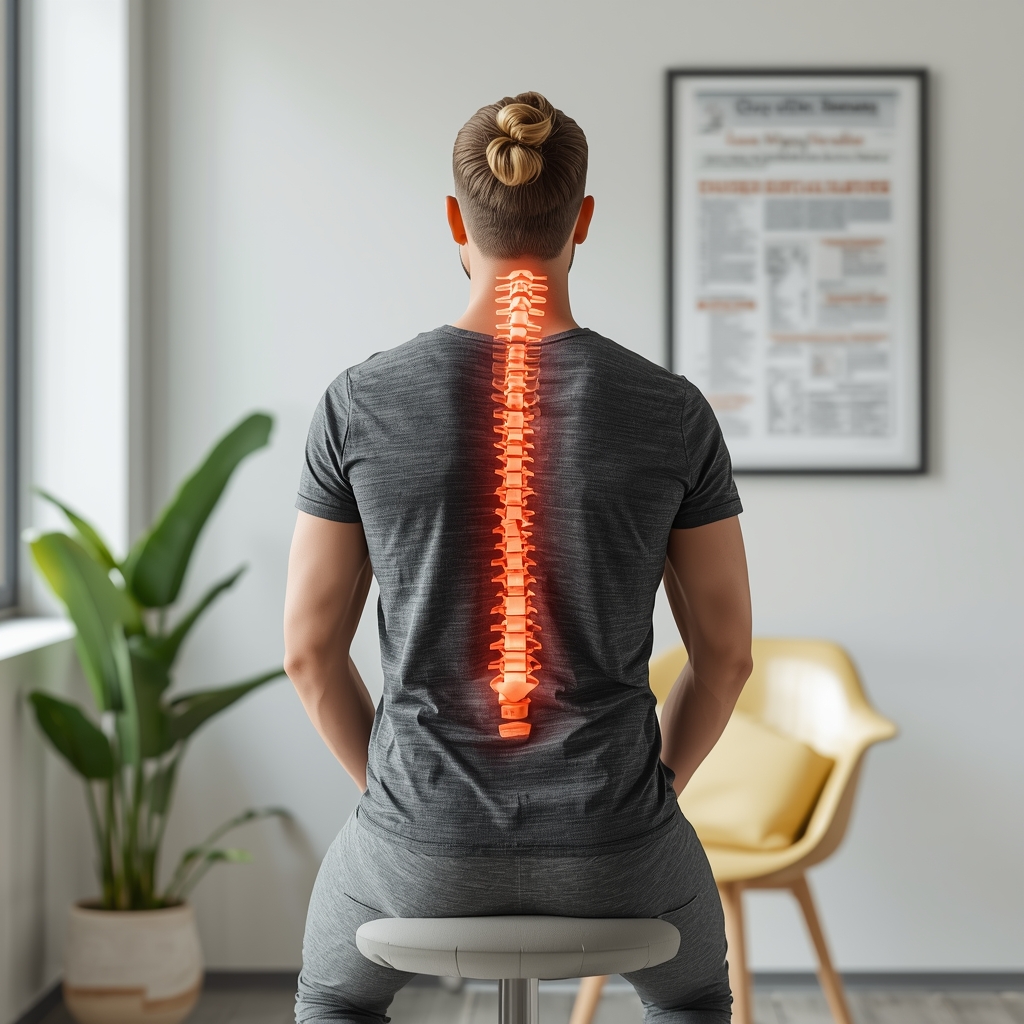
Chiropractic adjustments can help alleviate ITBS by restoring proper joint function and reducing nerve irritation. Techniques like spinal manipulation or soft tissue therapy may ease tension in the iliotibial band and surrounding muscles. Physical therapists complement this by designing exercises to strengthen the hips, glutes, and core, which are often weak in ITBS patients. A collaborative protocol might involve chiropractic sessions to address structural imbalances followed by targeted physical therapy exercises to reinforce stability. This synergy ensures that both the root causes and symptoms of ITBS are addressed. Patients may experience faster relief and improved long-term outcomes when these disciplines work in tandem, as each approach supports the other’s goals.
Developing Customized Rehabilitation Protocols
Collaboration enables the creation of personalized rehabilitation plans that merge chiropractic and physical therapy strategies. These protocols might include a mix of adjustments, manual therapy, and progressive strengthening routines. For instance, a patient could receive chiropractic care to correct pelvic misalignment while engaging in physical therapy exercises to improve hip abduction strength. Regular communication between the two professionals ensures the plan evolves with the patient’s progress. Adjustments may be modified based on physical therapy feedback, and therapy exercises can be tailored to align with chiropractic goals. This dynamic process maximizes effectiveness, helping patients regain mobility and prevent future flare-ups. By combining their expertise, chiropractors and physical therapists provide a more robust, patient-centered approach to chronic ITBS management.
Monitoring Progress and Adjusting Strategies
Tracking a patient’s response to combined chiropractic and physical therapy interventions is essential for long-term success. Regular follow-ups allow both professionals to assess improvements in pain levels, range of motion, and functional ability. If a patient shows limited progress, the team can reassess and adjust the protocol, such as modifying exercise intensity or exploring additional chiropractic techniques. Open communication ensures that any changes are made collaboratively, maintaining consistency in care. For example, if physical therapy reveals ongoing muscle tightness, the chiropractor might focus on soft tissue work to complement the exercises. This adaptive approach ensures the rehabilitation plan remains effective, addressing new challenges as they arise and supporting sustained recovery.
Benefits of Interdisciplinary Care for Chronic ITBS
Patients with chronic ITBS often benefit significantly from the combined expertise of chiropractors and physical therapists. This interdisciplinary approach addresses both structural and functional aspects of the condition, leading to more comprehensive care. By integrating adjustments, manual therapy, and targeted exercises, patients experience reduced pain and improved mobility. Additionally, collaborative care fosters a more holistic recovery, considering factors like posture, gait, and muscle imbalances. Patients may also gain a deeper understanding of their condition, empowering them to take an active role in their rehabilitation. Ultimately, this partnership enhances treatment outcomes, offering a sustainable solution for managing chronic ITBS and preventing future complications.















