
Importance of Proper Lifting Techniques in Winter
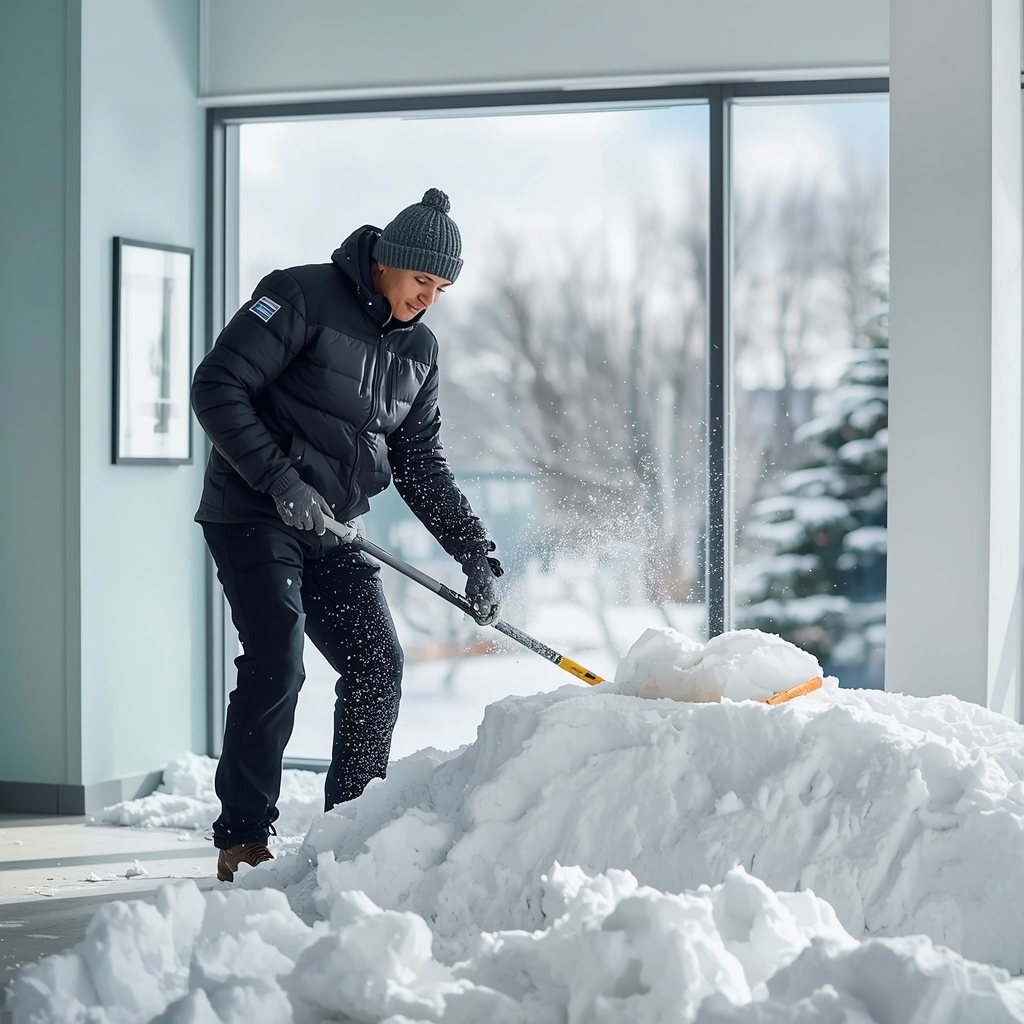
Winter snow removal tasks, like shoveling or lifting heavy snow, pose significant risks due to cold weather conditions. Muscles and joints stiffen in the cold, increasing susceptibility to strains, sprains, and back injuries. Improper lifting techniques can exacerbate these risks, leading to long-term discomfort or acute pain. Chiropractors emphasize that understanding and applying safe lifting practices during winter is crucial for preventing musculoskeletal injuries. By educating patients on correct body mechanics, chiropractors help reduce strain on the spine, joints, and muscles, ensuring safer participation in seasonal activities. This guidance is especially vital for individuals with pre-existing conditions or those new to winter tasks. Proper techniques not only protect against immediate harm but also support long-term musculoskeletal health, enabling patients to enjoy winter activities without unnecessary risk.
Key Principles of Safe Lifting
Chiropractors often advise patients to follow fundamental lifting principles to minimize injury risk. The first step is to assess the load’s weight and size, ensuring it’s manageable. When lifting, individuals should bend at the knees and hips, keeping the back straight and core engaged. This distributes force across the lower body rather than the spine. Chiropractors also emphasize using the legs for power, not the back, and maintaining a stable base of support. Patients are encouraged to avoid twisting the torso while lifting, as this can strain the lower back. Additionally, keeping the object close to the body reduces leverage and stress on the spine. By reinforcing these techniques, chiropractors help patients develop habits that protect their musculoskeletal system during physically demanding winter tasks. These principles apply to both occasional and regular snow removal activities.
Adapting Techniques for Cold Weather
Cold weather complicates safe lifting by reducing muscle elasticity and joint mobility. Chiropractors recommend warming up before snow removal to prepare the body for physical exertion. This might include light stretching, gentle movement, or a short walk to increase blood flow. Patients are also advised to dress in layers to maintain body heat, as cold muscles are more prone to injury. Chiropractors may suggest adjusting lifting techniques in icy or slippery conditions, such as taking smaller steps or using tools like snow pushers to reduce direct lifting. Additionally, staying hydrated and taking frequent breaks can prevent fatigue, which often leads to compromised form. By addressing environmental factors, chiropractors help patients adapt their lifting practices to minimize strain. These adjustments ensure that winter tasks remain safer and more sustainable for individuals of all ages.
Chiropractic Role in Injury Prevention
Chiropractors play a vital role in preventing injuries related to winter tasks by assessing patients’ physical readiness and offering personalized guidance. Through evaluations, they identify potential weaknesses, imbalances, or restrictions that could increase injury risk during lifting. They may recommend corrective exercises or adjustments to improve mobility and stability. Chiropractors also educate patients on recognizing early signs of strain, such as stiffness or discomfort, and how to address them before they escalate. By integrating preventive care with practical advice, chiropractors empower patients to make informed decisions about their physical activities. This proactive approach not only reduces the likelihood of injuries but also supports overall musculoskeletal health. Patients are encouraged to consult their chiropractor for tailored strategies, ensuring they can safely navigate winter challenges without compromising their well-being.
Common Mistakes to Avoid
Many individuals make critical errors when lifting snow, increasing their risk of injury. One common mistake is bending at the waist instead of the knees, which places excessive pressure on the lower back. Chiropractors warn against twisting the body while lifting, as this can strain spinal discs and ligaments. Overestimating one’s strength is another hazard, leading to improper form and potential injury. Patients may also neglect to secure a firm grip on the object, causing it to slip and result in sudden strain. Additionally, failing to take breaks can lead to fatigue, which impairs coordination and increases the likelihood of mistakes. Chiropractors emphasize the importance of patience and careful planning when tackling snow removal. By avoiding these pitfalls, individuals can significantly reduce their risk of musculoskeletal injuries and maintain safer, more effective winter routines.
When to Seek Professional Guidance
While general lifting advice is helpful, chiropractors stress the importance of professional consultation for personalized strategies. Individuals with existing back, joint, or muscle conditions should seek guidance to ensure techniques are safe and effective. Chiropractors can also assess whether underlying issues, such as poor posture or muscle imbalances, require targeted intervention. Patients experiencing pain, numbness, or recurring discomfort during lifting should not ignore these signals but instead consult a qualified provider. Chiropractors offer tailored recommendations, including adjustments, exercises, or modifications to daily routines. This approach ensures that patients receive support aligned with their unique needs. By prioritizing professional advice, individuals can navigate winter tasks with greater confidence and reduce the risk of long-term complications. Regular check-ins with a chiropractor can also help maintain optimal musculoskeletal health throughout the season.














