
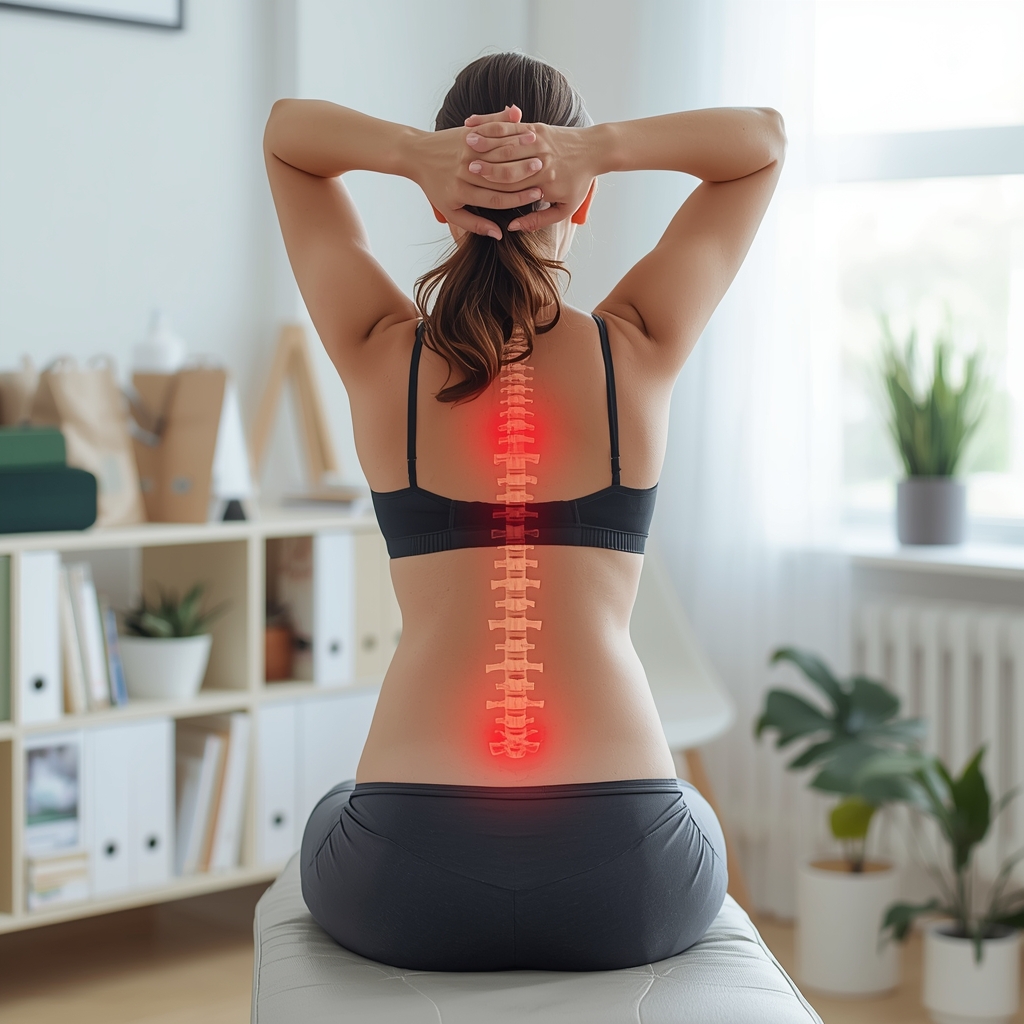
Understanding Postpartum Pelvic Changes
After childbirth, a woman’s body undergoes significant physical transformations, particularly in the pelvis. Hormonal shifts during pregnancy loosen ligaments to prepare for delivery, which can lead to pelvic instability. The weight of the growing fetus and changes in posture during pregnancy may also strain spinal and pelvic structures. These shifts often result in discomfort, including lower back pain, hip soreness, or sciatica. Postpartum pelvic misalignment can affect mobility, contribute to chronic pain, and even influence recovery from childbirth. Chiropractic care offers a non-invasive approach to address these issues by restoring balance to the musculoskeletal system. Understanding how the pelvis changes during and after pregnancy is key to appreciating the role of chiropractic support in postpartum recovery.
How Chiropractic Adjustments Help
Chiropractic adjustments during the postpartum period focus on realigning the pelvis and spine to alleviate pressure on nerves and muscles. Gentle manipulations can correct misalignments caused by the physical demands of pregnancy and labor, promoting better posture and reducing pain. By restoring proper biomechanics, these adjustments may enhance the body’s natural healing processes. Techniques such as the Webster Technique, often used in prenatal care, can also be adapted to support postpartum recovery. Chiropractors may use soft tissue therapies or mobilization to address tightness in the pelvic floor or surrounding muscles. The goal is to create a stable foundation for the body to recover, which can improve overall function and reduce the risk of long-term complications from unresolved pelvic instability.
Pain Relief and Recovery
Postpartum pelvic pain can stem from various sources, including strained muscles, joint dysfunction, or nerve irritation. Chiropractic care addresses these issues by targeting the root causes rather than just the symptoms. For example, misaligned vertebrae or sacroiliac joints may compress nerves, leading to radiating pain. Adjustments can relieve this pressure, offering relief from discomfort. Additionally, chiropractors may recommend exercises or lifestyle modifications to support recovery. Many women report reduced pain and improved mobility after regular sessions. By fostering proper alignment, chiropractic care can also aid in healing from perineal tears, cesarean sections, or other childbirth-related injuries. This holistic approach complements other postpartum care strategies, helping women regain strength and comfort more efficiently.
Supporting Overall Postpartum Wellness
Chiropractic care extends beyond pain management by promoting overall postpartum wellness. A properly aligned pelvis supports optimal function of the reproductive and urinary systems, which can be critical after childbirth. It also enhances nerve communication between the brain and body, potentially improving digestion, sleep, and emotional well-being. Postpartum women often face fatigue and stress, and chiropractic adjustments may help regulate the nervous system to ease these challenges. Additionally, maintaining spinal health can prevent secondary issues like headaches or muscle tension. By addressing the body as a whole, chiropractic care empowers new mothers to navigate the physical and emotional demands of recovery with greater ease. This comprehensive support aligns with the broader goals of postpartum health and vitality.
Safety and Considerations
While chiropractic care is generally safe during the postpartum period, it’s essential to work with a qualified practitioner experienced in postnatal care. Each woman’s recovery journey is unique, and adjustments must be tailored to her specific needs and any ongoing medical conditions. For example, women with cesarean scars or pelvic fractures may require modified techniques. Open communication with the chiropractor about symptoms, medications, or other treatments is crucial. It’s also important to coordinate care with other healthcare providers, such as obstetricians or physical therapists, to ensure a cohesive approach. Safety remains paramount, and a skilled chiropractor will prioritize gentle, evidence-based methods to support recovery without causing additional strain.
Integrating Chiropractic with Other Care
Chiropractic care can be a valuable complement to other postpartum recovery strategies. For instance, combining adjustments with physical therapy may enhance mobility and strength in the pelvic region. Massage therapy or acupuncture might also be used alongside chiropractic treatments to address muscle tension and pain. Postpartum women often benefit from a multidisciplinary approach that addresses both structural and functional aspects of recovery. Chiropractors can collaborate with other professionals to create a personalized plan that aligns with the mother’s goals. This integrative model ensures that all facets of postpartum health are addressed, from pain management to emotional well-being. By embracing a team-based approach, new mothers can achieve more balanced and sustainable recovery outcomes.














