
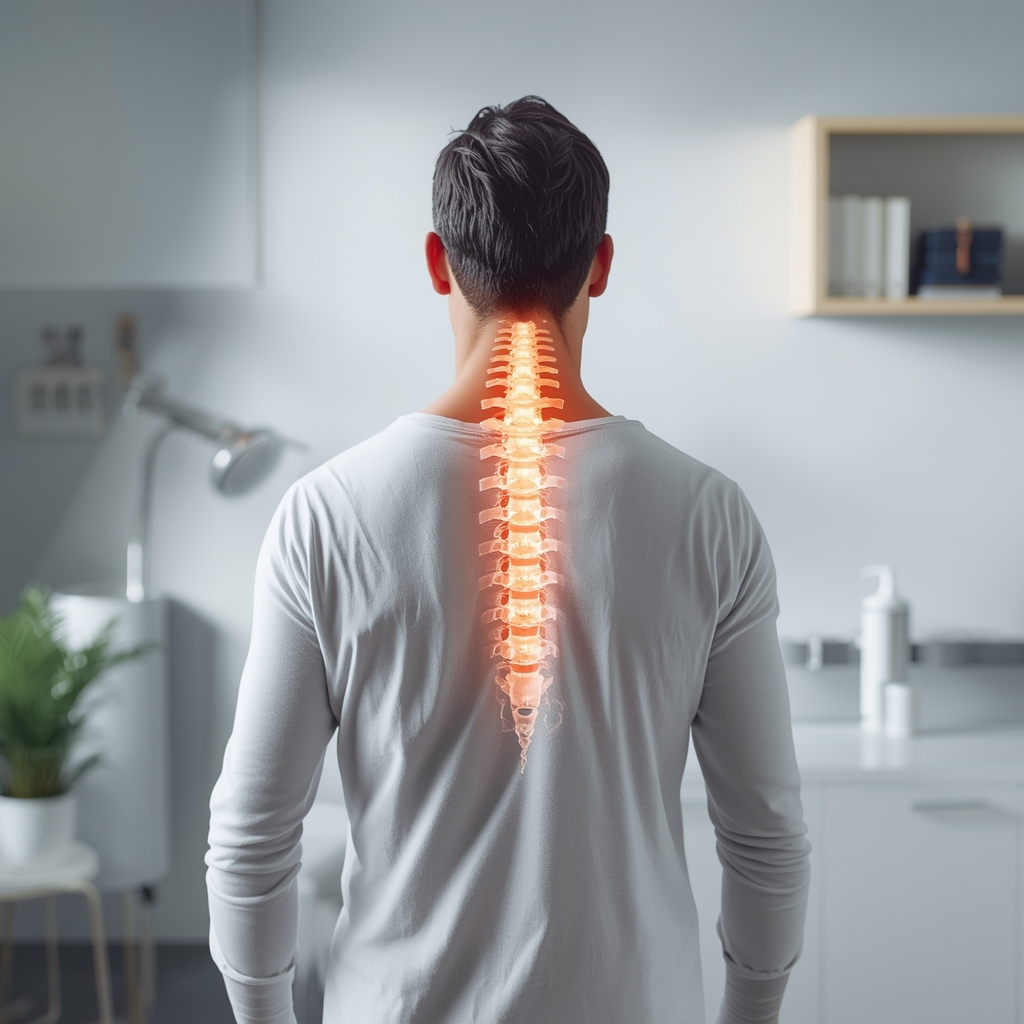
Understanding Cervical Spine Injuries from Auto Accidents
Cervical spine injuries, such as whiplash, are common in auto accidents due to sudden jolts that force the head to move beyond its normal range of motion. These injuries can strain muscles, ligaments, and joints in the neck, leading to pain, stiffness, and reduced mobility. While some symptoms appear immediately, others may develop hours or days after the incident. The cervical spine’s complex structure makes it vulnerable to misalignment, which can irritate nerves and contribute to chronic discomfort. Understanding the mechanics of these injuries is critical for effective care, as early intervention often improves recovery outcomes. Chiropractic care focuses on identifying and addressing these issues through non-invasive methods, aiming to restore function and alleviate pain without medication or surgery.
Role of Chiropractic Adjustments in Cervical Spine Recovery
Spinal adjustments are a cornerstone of chiropractic care for cervical spine injuries. By manually realigning the vertebrae, chiropractors can reduce pressure on nerves, improve joint mobility, and promote natural healing. This process may help alleviate pain, restore range of motion, and prevent long-term complications. Adjustments are tailored to each patient’s condition, ensuring safety and effectiveness. For example, a chiropractor might use gentle techniques to correct misalignments in the upper cervical region, which is often affected in whiplash injuries. While adjustments are not a cure-all, many patients report noticeable improvements in symptoms after a series of sessions. It’s important to note that chiropractic care is typically part of a broader treatment plan, often combined with other therapies for optimal results.
Soft Tissue Therapies for Cervical Pain Relief
Soft tissue therapies play a vital role in addressing the muscular and ligamentous damage associated with cervical spine injuries. Techniques like Active Release Technique (ART) and myofascial release target tight or damaged muscles, reducing inflammation and improving flexibility. These methods can help relieve tension that contributes to pain and restricted movement. Chiropractors may also incorporate massage therapy or trigger point therapy to enhance blood flow and accelerate healing. By addressing soft tissue imbalances, these approaches complement spinal adjustments and support overall recovery. Patients often find that combining these therapies with other chiropractic interventions leads to faster symptom relief and better long-term outcomes. However, treatment plans should be individualized to match each person’s specific needs and injury severity.
Rehabilitation Exercises for Cervical Stability
Strengthening and stabilizing the cervical spine is essential for long-term recovery after an auto accident. Chiropractors often recommend specific exercises to improve muscle strength, posture, and range of motion. These may include isometric exercises, neck stretches, and resistance training designed to support the spine without causing further strain. Consistent practice of these exercises can enhance mobility, reduce pain, and prevent future injuries. Patients are typically guided by their chiropractor to ensure proper form and avoid overexertion. In some cases, physical therapists may collaborate with chiropractors to create a comprehensive rehabilitation program. The goal is to restore functional strength while minimizing the risk of re-injury. Adherence to a structured exercise regimen is often a key factor in achieving lasting relief and improved quality of life.
Integrating Chiropractic with Other Therapies
Chiropractic care is often most effective when combined with other therapeutic approaches. For cervical spine injuries, this may involve collaboration with physical therapists, pain management specialists, or massage therapists. Physical therapy can enhance the benefits of chiropractic adjustments by focusing on targeted exercises and manual techniques. Pain management strategies, such as heat therapy or electrical stimulation, may also be used to complement chiropractic treatments. Additionally, psychological support or stress management techniques can address the emotional impact of injury. A multidisciplinary approach ensures that all aspects of recovery are addressed, from physical rehabilitation to mental well-being. Patients should discuss their treatment options with a qualified provider to determine the best combination of therapies for their unique situation.
Long-Term Strategies for Preventing Recurrence
Preventing the recurrence of cervical spine issues requires ongoing care and lifestyle adjustments. Chiropractors may recommend regular check-ups to monitor spinal alignment and address minor issues before they escalate. Ergonomic modifications, such as adjusting workstations or sleeping positions, can reduce strain on the neck. Strengthening core and postural muscles through exercise also supports spinal health. Patients are often advised to avoid repetitive motions or poor posture that could lead to future injuries. Education on proper body mechanics during daily activities is another key component of long-term prevention. By adopting these strategies, individuals can maintain spinal stability and reduce the risk of re-injury. Consistent communication with a chiropractor ensures that care remains proactive and tailored to evolving needs.














