
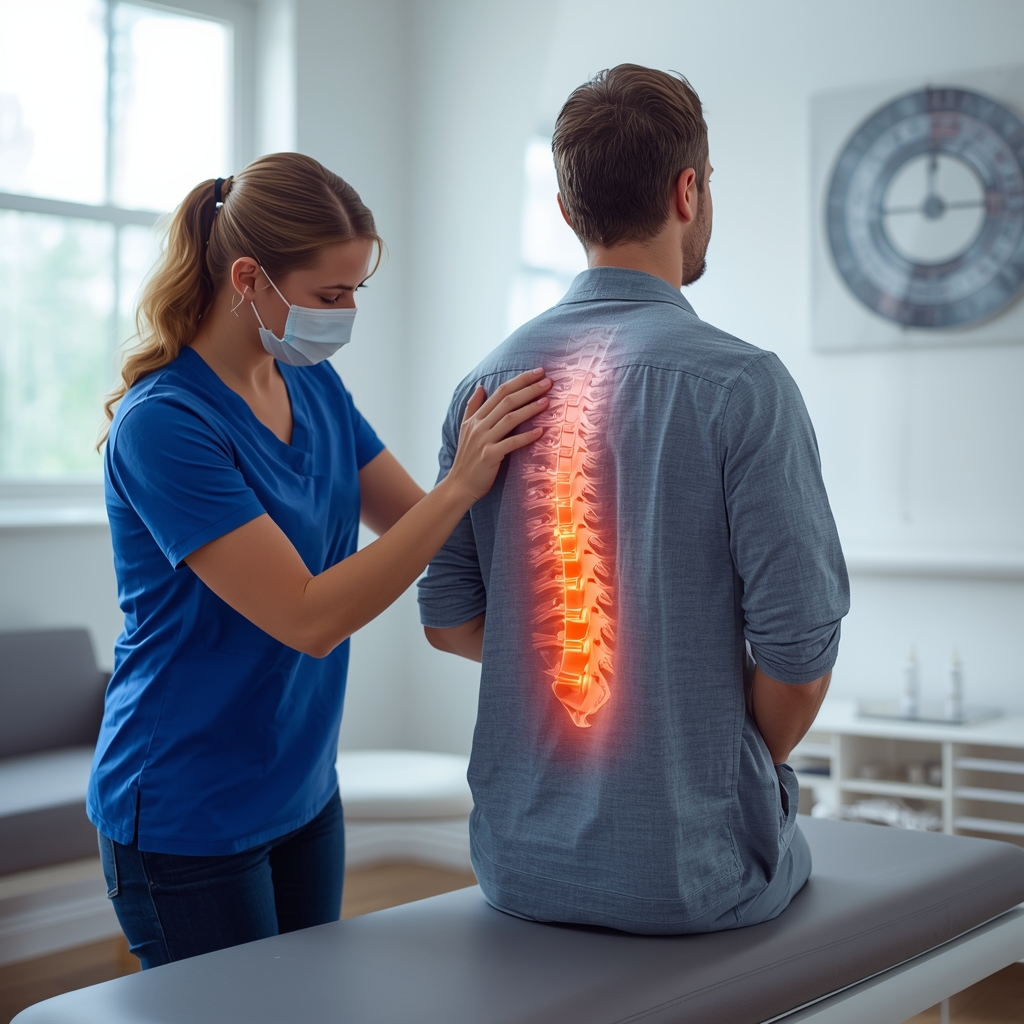
Role of Chiropractic Adjustments in Post-Surgical Recovery
Chiropractic adjustments after spinal fusion surgery focus on supporting adjacent spinal regions rather than the fused area itself. Gentle, low-force techniques can help maintain mobility in surrounding joints, reducing compensatory strain. By restoring proper alignment, adjustments may alleviate pressure on nerves and muscles, promoting comfort. However, adjustments near the surgical site require caution to avoid disrupting healing. A qualified chiropractor will tailor techniques to the patient’s recovery stage, ensuring safety. This approach complements traditional rehabilitation by addressing biomechanical imbalances that may arise post-surgery.
Soft Tissue Techniques for Muscle Relief
Soft tissue therapies, such as Active Release Technique (ART) or Graston, target muscle tension and scar tissue that can form after spinal fusion. These methods improve circulation, reduce stiffness, and enhance range of motion in non-fused areas. By addressing muscle imbalances, they help prevent overuse injuries in adjacent regions. Techniques like myofascial release or trigger point therapy may also ease discomfort caused by postural adjustments during recovery. While these therapies are not a substitute for medical care, they can support overall comfort and functional mobility when integrated into a broader rehabilitation plan.
Importance of a Personalized Care Plan
Each patient’s recovery trajectory after spinal fusion varies, necessitating a customized approach. A chiropractor will assess factors like surgical technique, healing progress, and individual needs to design a care plan. This may include a mix of adjustments, soft tissue work, and rehabilitative exercises. Personalization ensures treatments align with medical guidelines and avoid risks. For example, early post-op care might emphasize gentle mobilization, while later stages focus on strengthening. Open communication between the patient and provider is critical to adapt strategies as recovery unfolds, ensuring safety and effectiveness.
Protocols to Minimize Complications
Chiropractors follow strict protocols to reduce risks during post-surgical care. These include avoiding high-velocity manipulations near the fusion site and prioritizing low-force techniques. Regular monitoring for signs of complications—such as increased pain or neurological changes—is essential. Collaboration with the patient’s surgeon ensures treatments align with medical recommendations. Patients should disclose their surgical history and current symptoms to guide care. Adhering to these protocols helps prevent setbacks, fostering a safer recovery. Ultimately, a cautious, evidence-based approach minimizes disruptions to the healing process.
Collaboration with Medical Professionals
Effective post-surgical chiropractic care relies on teamwork with medical providers. Chiropractors often consult with surgeons or primary care physicians to understand the patient’s specific procedure and healing timeline. This collaboration ensures treatments do not interfere with surgical outcomes or rehabilitation goals. For instance, a chiropractor might avoid certain techniques if the surgeon advises against them. Patients should inform all healthcare providers about their chiropractic visits to maintain a cohesive care plan. Such coordination enhances safety, addresses potential conflicts, and supports a holistic recovery strategy tailored to the individual’s needs.
Patient Education and Long-Term Management
Empowering patients with knowledge is key to successful recovery. Chiropractors educate individuals on recognizing normal versus concerning symptoms during healing. They may also guide patients in home exercises, posture adjustments, and activity modification to support progress. Long-term management often involves periodic check-ups to maintain spinal health and prevent future issues. Patients should understand that recovery is gradual and may require patience. By fostering awareness and proactive habits, chiropractic care helps patients navigate post-surgical challenges while promoting sustained well-being. Open dialogue with providers ensures ongoing support throughout the journey.














