
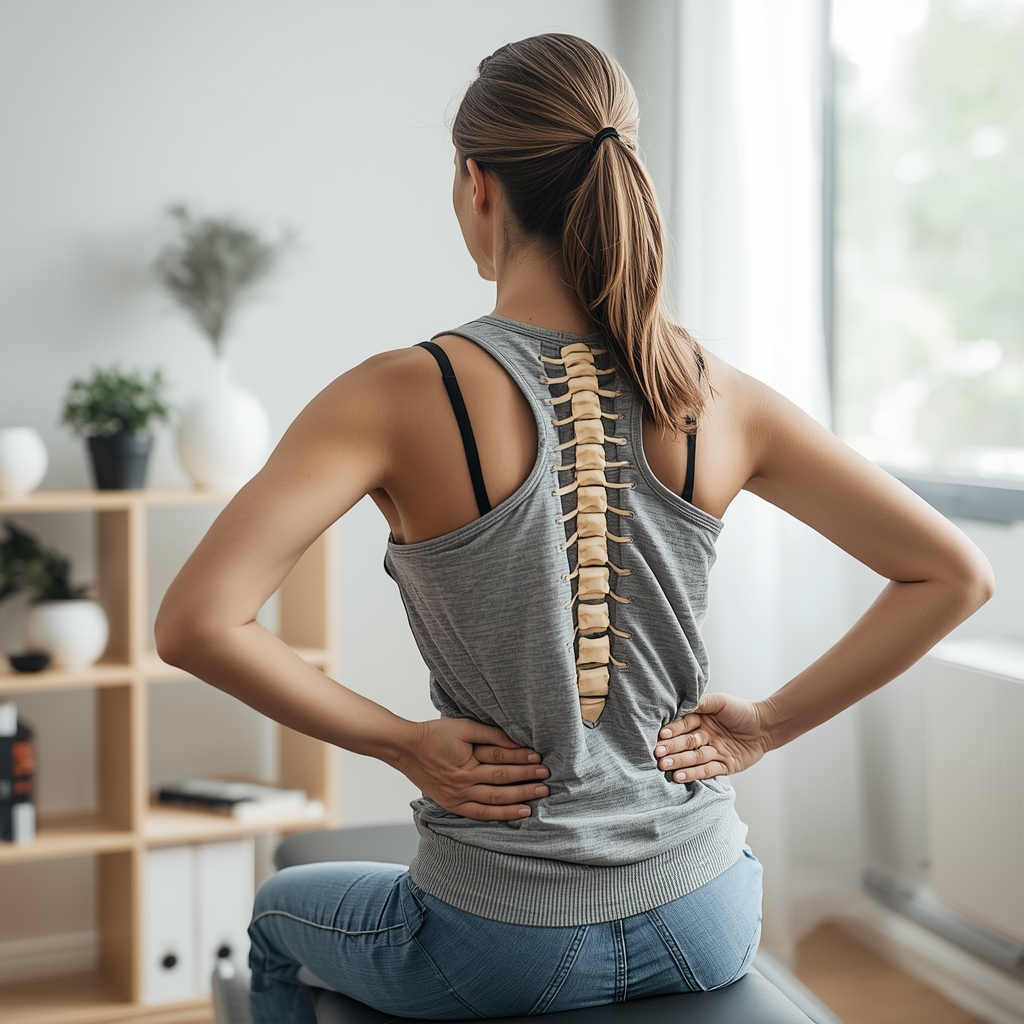
Understanding Adult Scoliosis and Its Challenges
Adult scoliosis refers to an abnormal lateral curvature of the spine that develops or persists into adulthood. Unlike adolescent scoliosis, which often arises during growth spurts, adult cases may stem from degenerative changes, prior injuries, or untreated childhood conditions. This curvature can lead to chronic pain, reduced mobility, and postural imbalances. While severe cases may require surgical intervention, many adults seek non-invasive options like chiropractic care to manage symptoms and slow progression. Chiropractors focus on improving spinal alignment and function, which may alleviate discomfort and enhance quality of life. However, it’s crucial to approach these treatments as part of a broader care plan, as no single method guarantees results. Understanding the role of chiropractic care in this context helps adults make informed decisions about their health.
The Role of Chiropractic Adjustments in Scoliosis Management
Chiropractic adjustments aim to restore proper spinal alignment by applying controlled force to specific joints. For adults with scoliosis, these adjustments may help reduce pressure on nerves, improve posture, and alleviate pain. Techniques such as spinal manipulation or mobilization are commonly used to address misalignments that contribute to discomfort. While adjustments cannot reverse the curvature itself, they may enhance the spine’s ability to function more efficiently. Some patients report improved mobility and reduced stiffness after regular sessions. However, the effectiveness of these interventions varies based on the severity of the condition and individual response. Chiropractors often tailor their approach to each patient’s needs, combining adjustments with other therapies to maximize benefits. It’s important to note that adjustments should always be performed by a licensed professional to ensure safety and appropriateness.
Bracing Techniques for Adult Scoliosis: Purpose and Limitations
Bracing is a common non-surgical approach for managing scoliosis, particularly in adolescents. In adults, braces like thoracolumbosacral orthoses (TLSOs) may be used to provide support, stabilize the spine, and prevent further curvature progression. These devices work by applying pressure to the torso, encouraging the spine to maintain a more neutral position. While bracing is less effective for severe cases, it can be beneficial for adults with mild to moderate scoliosis or those experiencing increased pain. However, long-term use may lead to muscle weakness or discomfort, so it’s typically recommended alongside other treatments. Chiropractors may collaborate with orthopedic specialists to determine if bracing is appropriate. Patients should follow professional guidance on wear schedules and monitor for any adverse effects. Bracing is often part of a multifaceted strategy, not a standalone solution, to address the complexities of adult scoliosis.
Preventing Progression Through Regular Chiropractic Care
Regular chiropractic care can play a vital role in preventing the progression of adult scoliosis by maintaining spinal health and function. Routine adjustments help keep the spine as aligned as possible, reducing stress on surrounding muscles and joints. This proactive approach may slow the worsening of curvature over time, especially when combined with exercises to strengthen core and postural muscles. Chiropractors also monitor changes in the spine, allowing for timely interventions if issues arise. Patients often benefit from personalized care plans that address their specific needs, such as posture correction or pain management. By fostering a stable spinal environment, chiropractic care supports the body’s natural ability to adapt and function. However, results depend on consistent follow-ups and adherence to recommended practices. Adults considering this option should consult a qualified chiropractor to explore how regular care might fit into their overall management strategy.
Integrating Chiropractic Care With Other Treatment Approaches
Managing adult scoliosis often requires a multidisciplinary approach, and chiropractic care can complement other treatments like physical therapy, pain management, or medical interventions. Physical therapy, for instance, focuses on strengthening muscles that support the spine, which can enhance the effects of chiropractic adjustments. Pain management strategies, such as medications or injections, may also be used alongside chiropractic care to address acute discomfort. In some cases, orthopedic specialists may recommend bracing or surgery, with chiropractors playing a supportive role in pre- or post-treatment care. This integrative model allows for a more comprehensive plan tailored to the individual’s needs. Patients should communicate openly with all their healthcare providers to ensure coordinated care. While chiropractic techniques are not a substitute for medical treatments, they can contribute to a holistic approach that improves outcomes and quality of life for adults with scoliosis.
When to Seek Chiropractic Care for Scoliosis
Adults experiencing symptoms of scoliosis, such as persistent back pain, postural changes, or difficulty with daily activities, should consider consulting a chiropractor. A qualified professional can evaluate the spine’s condition and determine if chiropractic care is a suitable option. It’s especially important to seek help if the curvature worsens over time or if neurological symptoms like numbness or weakness develop. Chiropractors may recommend adjustments, bracing, or referrals to other specialists based on the assessment. Patients should also discuss their medical history and any ongoing treatments to ensure safety. While chiropractic care can be beneficial, it’s not a replacement for necessary medical interventions. By working with a licensed provider, adults can explore how chiropractic techniques might support their overall health and well-being in managing scoliosis.














