
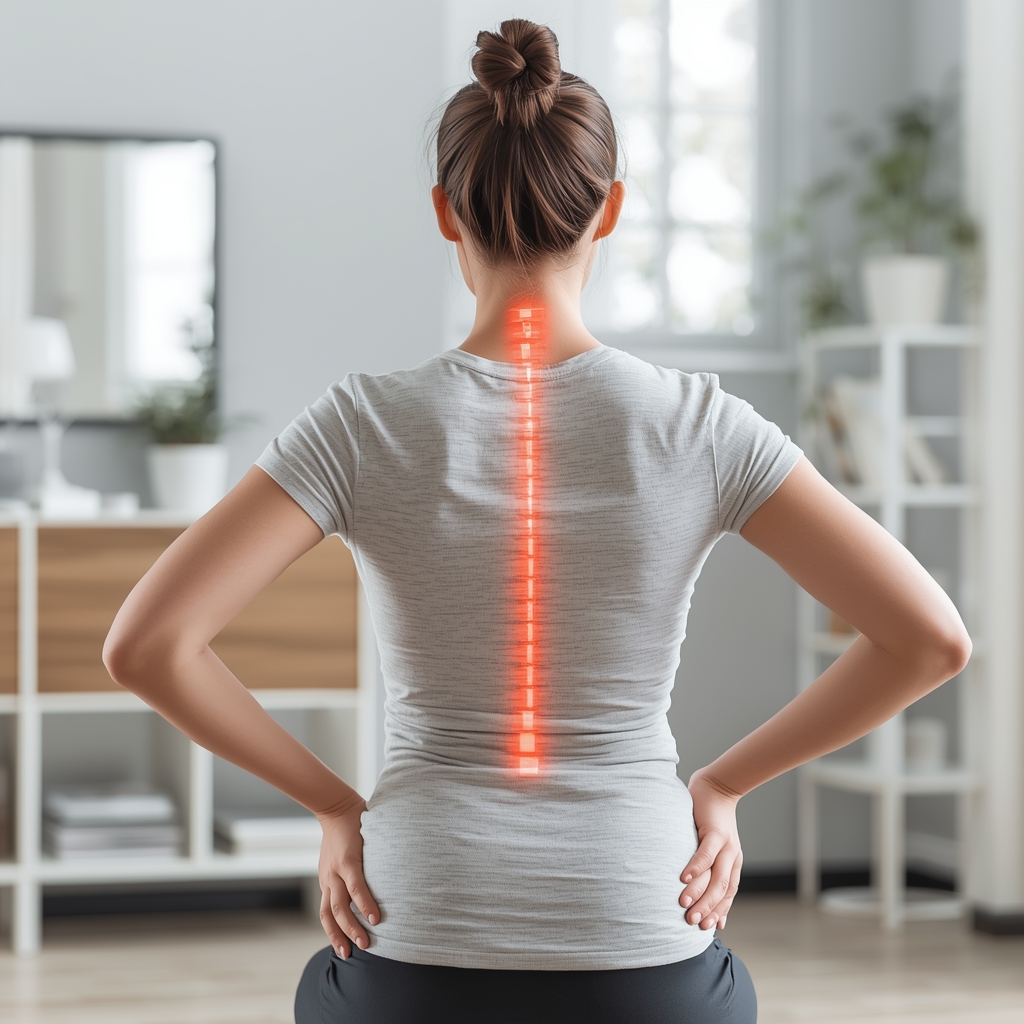
Understanding Scoliosis and Growth Spurts
Scoliosis is a spinal condition characterized by an abnormal lateral curvature, often diagnosed in adolescents during rapid growth phases. Hormonal changes and increased physical activity during puberty can exacerbate spinal imbalances, potentially worsening the curve. While mild cases may not require intervention, proactive management is crucial to prevent severe progression. Chiropractic care offers non-invasive strategies to support spinal health, focusing on alignment and neuromuscular control. By addressing structural imbalances early, adolescents may reduce the risk of complications like chronic pain or reduced mobility. This approach complements traditional medical monitoring, providing a holistic framework for managing scoliosis during critical developmental years.
How Chiropractic Adjustments Support Spinal Alignment
Chiropractic adjustments involve precise, controlled movements to realign the spine and improve joint function. For adolescents with scoliosis, these techniques aim to reduce pressure on the spine’s structures and promote balanced musculature. By correcting subluxations—misalignments that interfere with nervous system function—adjustments may enhance the body’s natural ability to maintain proper posture. Regular sessions can help stabilize the spine during growth spurts, potentially slowing curvature progression. While not a cure, this approach supports the body’s biomechanics, encouraging optimal spinal development. Chiropractors tailor adjustments to each patient’s needs, ensuring safety and effectiveness for growing bodies.
The Role of Postural Training in Scoliosis Management
Postural training focuses on strengthening muscles that support the spine and retraining movement patterns. For adolescents, this includes exercises to improve core stability, shoulder alignment, and hip balance. Poor posture can worsen scoliosis by creating asymmetrical forces on the spine, while targeted training helps counteract these effects. Techniques like mirror exercises, ergonomic adjustments, and movement awareness teach patients to maintain proper alignment in daily activities. When combined with chiropractic care, postural training reinforces spinal stability and reduces strain on compromised areas. Consistent practice empowers adolescents to take an active role in their spinal health, fostering long-term benefits beyond clinical sessions.
Combining Adjustments with Postural Exercises for Better Outcomes
A integrated approach combining chiropractic adjustments and postural training addresses both structural and functional aspects of scoliosis. Adjustments provide immediate relief from spinal misalignments, while postural exercises build the muscular support needed to maintain these corrections. This dual strategy may enhance the spine’s ability to adapt during growth spurts, reducing the likelihood of worsening curvature. Chiropractors often design personalized programs that include specific stretches, strengthening routines, and lifestyle modifications. By addressing imbalances in multiple ways, this method supports the body’s natural development and reduces reliance on more invasive treatments. Regular follow-ups ensure the plan evolves with the patient’s changing needs.
Monitoring Progress and Adjusting Treatment Plans
Regular assessments are essential to track scoliosis progression and the effectiveness of chiropractic interventions. X-rays, physical exams, and patient feedback help chiropractors adjust treatment strategies as needed. During growth spurts, frequent checkups ensure that spinal changes are addressed promptly, preventing minor issues from becoming severe. Patients and families should communicate any new symptoms or concerns to their care team. This collaborative approach allows for timely modifications to adjustments or postural exercises, optimizing outcomes. By staying proactive, adolescents can maximize the benefits of chiropractic care while minimizing risks associated with untreated spinal deviations.
Conclusion: Early Intervention and Professional Guidance
Adolescents with scoliosis can benefit significantly from early, coordinated care that includes chiropractic adjustments and postural training. These methods work together to support spinal health during periods of rapid growth, potentially reducing the need for more aggressive treatments. However, results depend on consistent adherence to a personalized plan and regular communication with healthcare providers. While chiropractic care is not a substitute for medical evaluation, it offers a complementary approach to managing scoliosis. Families are encouraged to consult qualified professionals to explore these options and develop a strategy that aligns with their child’s unique needs and developmental stage.














