
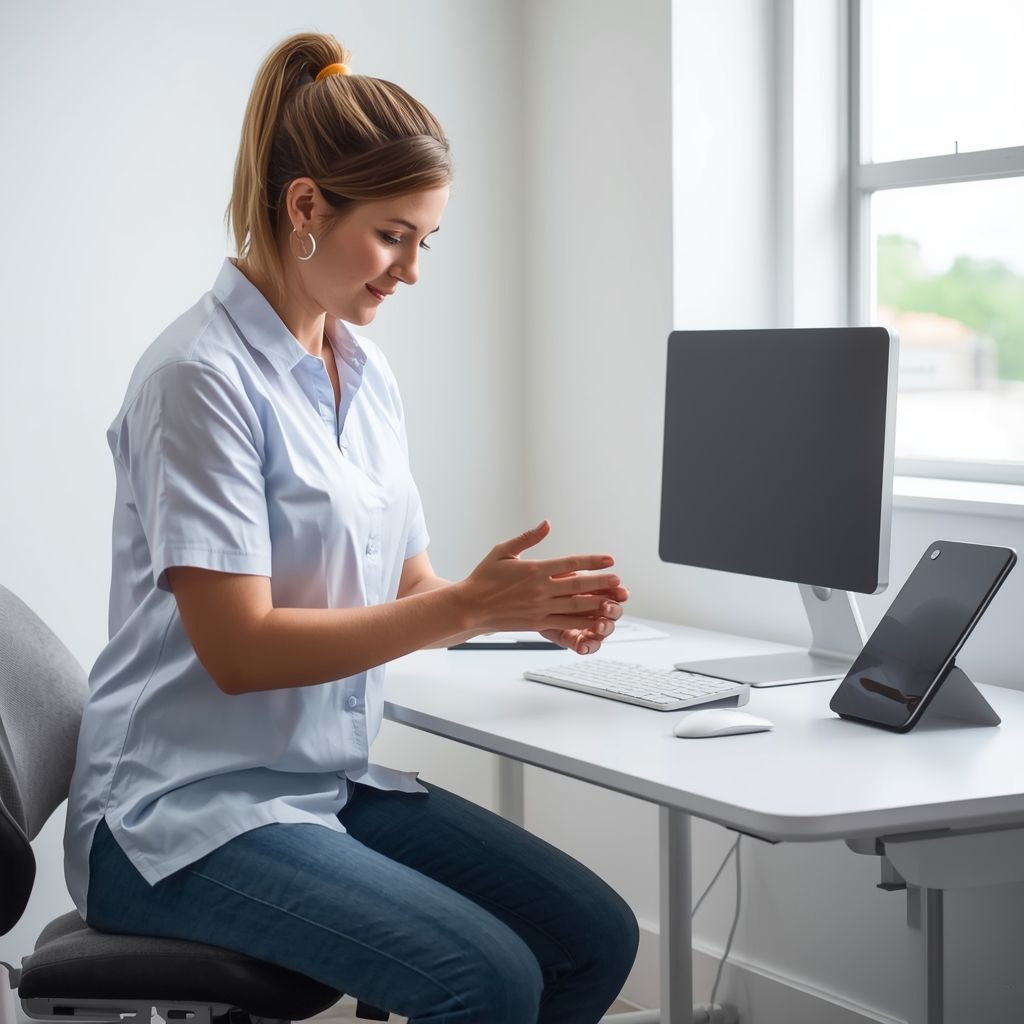
Understanding Carpal Tunnel Syndrome and Its Impact
Carpal tunnel syndrome (CTS) occurs when the median nerve, which runs from the forearm to the hand, becomes compressed at the wrist. This condition often causes numbness, tingling, and weakness in the fingers and hand, particularly affecting those who perform repetitive tasks. While traditional treatments like splinting or surgery are common, many seek complementary approaches to manage symptoms. Chiropractic adjustments and ergonomic modifications offer non-invasive strategies that address both structural and environmental factors. By improving spinal alignment and optimizing workspace setups, these methods can reduce nerve pressure and enhance overall comfort. Understanding how these interventions work together provides a holistic path to relief, emphasizing the importance of a personalized approach tailored to individual needs.
The Role of Chiropractic Adjustments in CTS Relief
Chiropractic adjustments focus on correcting misalignments in the spine, which can indirectly influence nerve function and reduce pressure on the median nerve. By realigning the cervical and thoracic vertebrae, chiropractors aim to improve nerve signal transmission and alleviate symptoms associated with CTS. These adjustments may also address compensatory postures or muscle imbalances that contribute to wrist strain. While not a direct treatment for the wrist itself, spinal manipulation can support the body’s natural healing processes. Many patients report reduced discomfort after consistent chiropractic care, though results vary. It is essential to consult a qualified chiropractor to determine if adjustments are suitable for your specific condition and to ensure safe, effective treatment.
Ergonomic Modifications to Alleviate CTS Symptoms
Ergonomic adjustments in the workplace or daily activities can significantly reduce the strain on the wrists and hands, complementing chiropractic care. Proper keyboard and mouse positioning, for example, minimizes repetitive motion and maintains a neutral wrist angle, lowering the risk of nerve compression. Adjustable chairs, standing desks, and supportive wrist rests further enhance comfort. Additionally, taking regular breaks and practicing stretching exercises can prevent overuse. Ergonomic tools, such as ergonomic keyboards or vertical mice, are designed to reduce stress on the median nerve. By modifying environments to align with natural body mechanics, individuals can create a supportive framework for recovery. These changes are often simple to implement but can yield substantial long-term benefits for those managing CTS.
How Chiropractic Adjustments and Ergonomics Complement Each Other
Chiropractic adjustments and ergonomic modifications work synergistically to address the multifaceted nature of CTS. While adjustments focus on spinal alignment and nerve function, ergonomic changes target the physical demands of daily activities. For instance, a chiropractor might identify spinal misalignments contributing to nerve irritation, while ergonomic adjustments reduce the mechanical stress on the wrist. This dual approach ensures that both structural and environmental factors are addressed, potentially enhancing treatment outcomes. By improving posture and reducing compensatory movements, chiropractic care can make ergonomic interventions more effective. Together, these strategies create a balanced framework for managing CTS, offering a comprehensive solution that supports long-term relief and prevents symptom recurrence.
Personalized Strategies for Effective CTS Management
Each individual’s experience with CTS is unique, necessitating a tailored approach that combines chiropractic care and ergonomic adjustments. A chiropractor can assess spinal health, identify areas of misalignment, and recommend targeted adjustments. Simultaneously, ergonomic evaluations can pinpoint workplace or lifestyle factors exacerbating symptoms. For example, someone with a sedentary job might benefit from a standing desk and posture correction, while another may require specific wrist exercises. Open communication with healthcare providers ensures that both interventions are aligned with personal goals and comfort levels. Consistency and adaptability are key, as adjustments and modifications may need refinement over time. By integrating these methods, patients can achieve more sustainable relief and improved quality of life.
Consulting Professionals for Safe and Effective Care
While chiropractic adjustments and ergonomic modifications offer promising avenues for CTS relief, it is crucial to seek guidance from qualified professionals. A chiropractor can provide a thorough assessment and develop a customized treatment plan, ensuring adjustments are performed safely and effectively. Ergonomic consultants or occupational therapists can also help design workspaces that minimize strain on the wrists. Self-diagnosis or improper techniques may worsen symptoms, so collaboration with experts is essential. Patients should discuss their symptoms, lifestyle, and treatment preferences to create a balanced approach. By combining professional expertise with proactive self-care, individuals can navigate CTS management with confidence, prioritizing both immediate relief and long-term well-being.











