
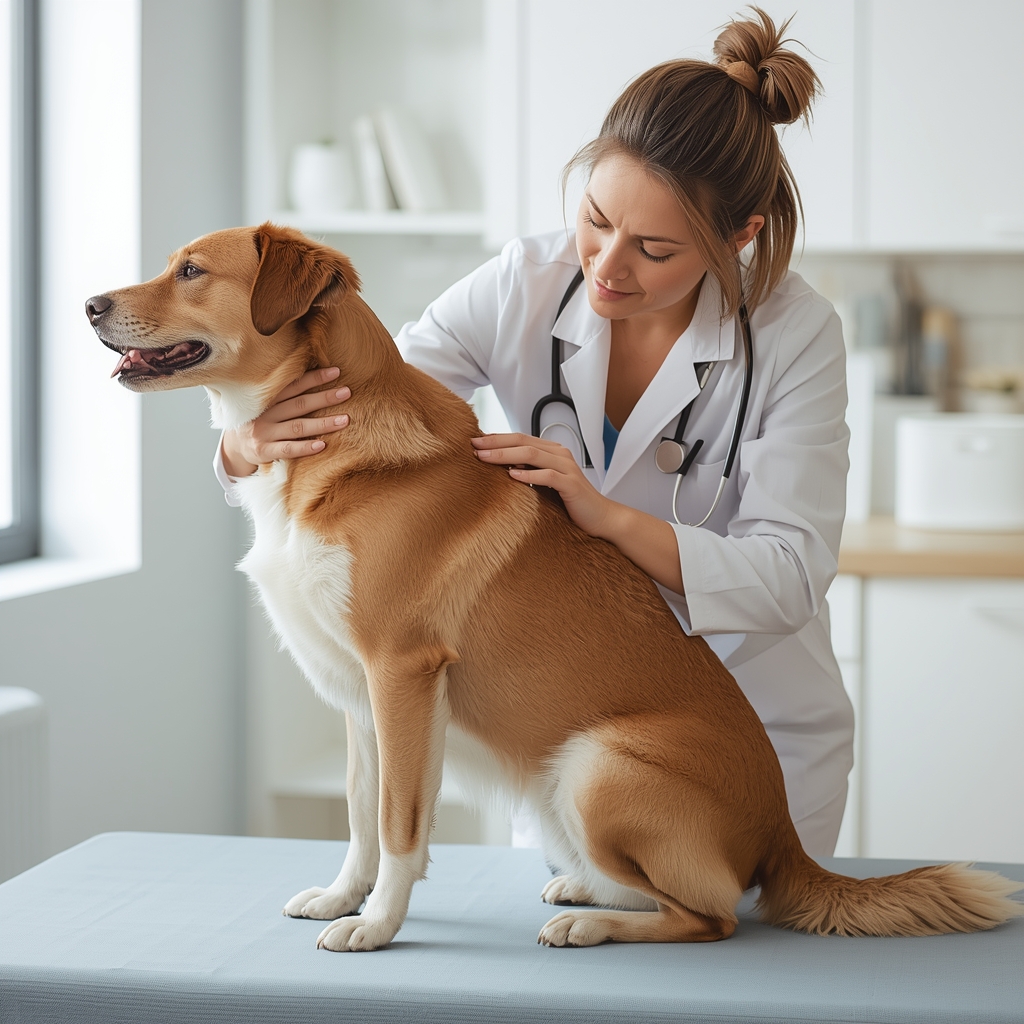
Understanding Animal Chiropractic Care for Dogs
Animal chiropractic focuses on the musculoskeletal system, emphasizing the relationship between the spine and nervous system. For dogs, this approach addresses issues like joint stiffness, muscle imbalances, and mobility challenges. Practitioners use manual adjustments to restore proper alignment, aiming to enhance nerve function and alleviate pain. Common conditions treated include hip dysplasia, arthritis, and post-injury recovery. Unlike human chiropractic care, techniques are adapted to a dog’s anatomy, often involving gentle manipulations tailored to their size and breed. This holistic method complements traditional veterinary care, offering non-invasive options for managing chronic or acute musculoskeletal concerns. Always consult a licensed animal chiropractor to ensure safe and effective treatment.
Common Musculoskeletal Issues in Dogs
Dogs frequently experience musculoskeletal problems due to age, activity levels, or genetic predispositions. Arthritis, for example, is prevalent in older dogs, causing joint inflammation and reduced mobility. Hip dysplasia, a developmental condition, affects joint stability and can lead to chronic pain. Other issues include spinal misalignments, ligament injuries, and muscle strains from overexertion. These conditions often manifest as lameness, stiffness, or difficulty moving. Early intervention is key to preventing long-term complications. Animal chiropractors assess these issues through physical exams and mobility tests, identifying areas of restriction or imbalance. By addressing root causes rather than just symptoms, this care can improve a dog’s quality of life and support overall wellness. Regular check-ups may help detect problems before they worsen.
Techniques Used in Animal Chiropractic Adjustments
Animal chiropractors employ a range of techniques to correct musculoskeletal imbalances. Spinal adjustments are central, involving precise, controlled movements to realign vertebrae and relieve nerve pressure. Soft tissue therapies, such as massage or myofascial release, target muscle tension and improve circulation. Some practitioners use mobilization techniques to gently stretch joints and restore range of motion. These methods are often combined with therapeutic exercises to strengthen supporting muscles. The goal is to enhance mobility while minimizing discomfort. Techniques are adapted to each dog’s needs, considering factors like size, pain tolerance, and the specific condition being treated. Many owners report improved flexibility and reduced pain after sessions. However, results vary, and consistency is key for long-term benefits.
Integrating Holistic and Supportive Approaches
Animal chiropractic care often works best when combined with other holistic strategies. Modalities like acupuncture, cold laser therapy, or hydrotherapy may be recommended to complement adjustments. These approaches can reduce inflammation, promote healing, and ease pain. Nutrition also plays a role, with diets rich in anti-inflammatory ingredients supporting joint health. Physical therapy exercises, such as controlled walks or stretching routines, help maintain mobility. Practitioners may advise on environmental modifications, like ramps or orthopedic beds, to ease a dog’s daily activities. While these methods are not substitutes for veterinary care, they can enhance recovery and comfort. It’s important to coordinate with a veterinarian to ensure all treatments align with the dog’s overall health plan and avoid potential conflicts.
Ensuring Safety and Professional Standards
Animal chiropractic care requires specialized training and certification to ensure safety. Licensed practitioners undergo extensive education in animal anatomy, physiology, and adjustment techniques. They must also understand when to refer cases to a veterinarian, as some conditions require medical intervention. Safety protocols include thorough assessments before treatments and avoiding high-impact adjustments that could harm the animal. Owners should verify a chiropractor’s credentials and experience with canine patients. While generally safe, there are risks if performed improperly, such as exacerbating existing injuries. Regular communication between the chiropractor, veterinarian, and pet owner is crucial for monitoring progress and adjusting care plans as needed.
When to Seek Animal Chiropractic Care
If a dog shows signs of pain, stiffness, or mobility issues, consulting a licensed animal chiropractor may be beneficial. This care is often considered for chronic conditions like arthritis or after injuries to support recovery. It may also help dogs with performance-related challenges, such as agility or working roles, by maintaining optimal musculoskeletal function. However, it’s essential to first rule out serious medical conditions through veterinary evaluation. Chiropractic care should never replace professional medical advice but can serve as a complementary option. Owners should seek practitioners who are experienced with dogs and follow established guidelines. Regular sessions may be recommended for ongoing management, but individual needs vary, requiring personalized assessment by qualified professionals.













