
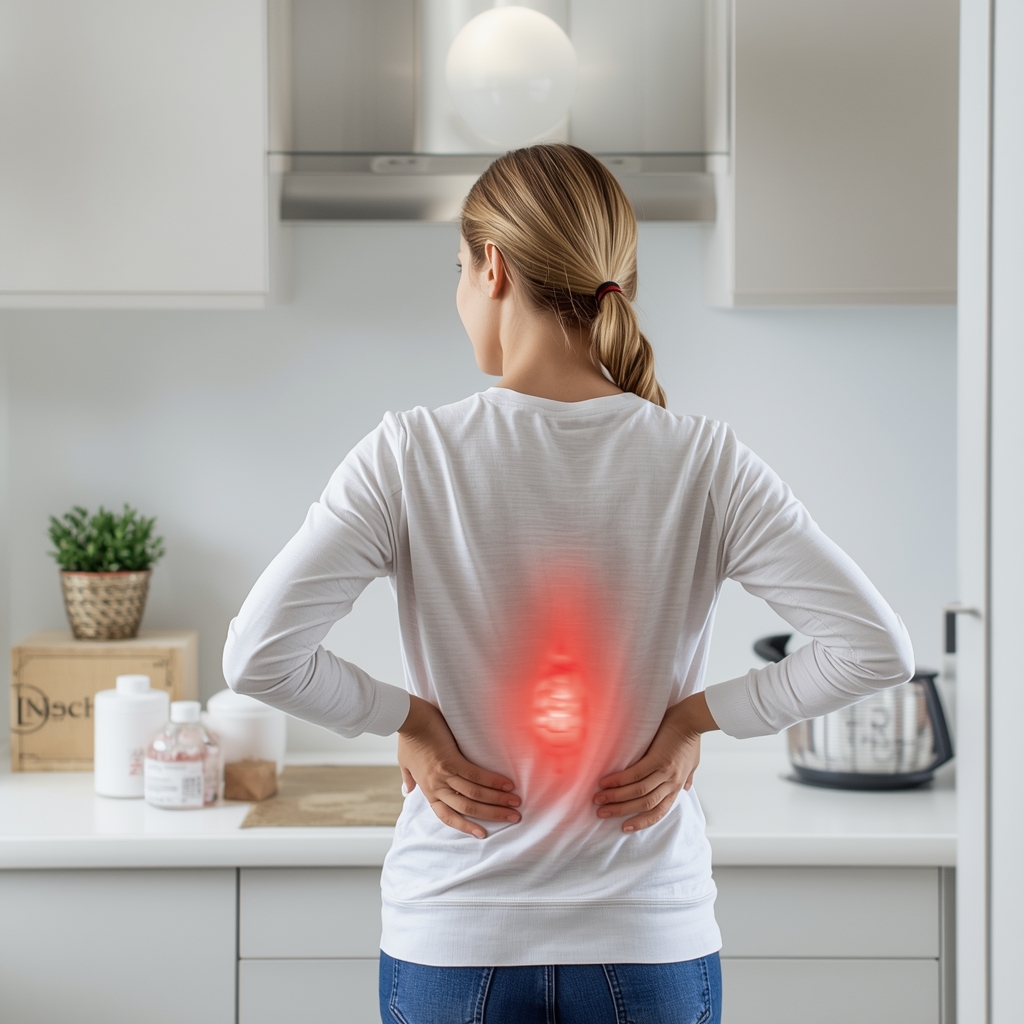
Proper Lifting Techniques for Holiday Tasks
During holiday cooking and cleaning, lifting heavy objects like grocery bags, pots, or cleaning supplies can strain the back if done incorrectly. Chiropractors recommend bending at the knees rather than the waist to maintain spinal alignment. Keep the object close to your body and engage your core muscles for stability. Avoid twisting your spine while lifting; instead, pivot your feet to change direction. These techniques distribute pressure more evenly across the body, reducing the risk of disc compression or muscle strain. Regularly practicing these methods can build muscle memory, making them second nature during high-stress holiday activities. Remember, if an object feels too heavy, ask for help or use tools like dolly carts to minimize physical strain.
Maintaining Good Posture While Working
Many holiday tasks involve prolonged standing, bending, or repetitive motions, which can lead to poor posture and back pain. Chiropractors emphasize the importance of keeping the spine in a neutral position—avoiding slouching or hunching over. When cleaning, use a step stool for high shelves to prevent excessive reaching, and alternate hands when lifting to balance muscle engagement. For cooking, adjust counter heights if possible, or use a footrest to reduce lower back pressure. Taking short breaks to stretch and realign the body can also alleviate tension. By prioritizing posture, individuals can reduce the cumulative stress on their musculoskeletal system during extended holiday activities.
Using Ergonomic Tools and Equipment
Investing in ergonomic tools can significantly reduce back strain during holiday chores. Long-handled tools like brooms, rakes, or scrub brushes allow for better leverage and minimize bending. Kitchen gadgets with ergonomic handles, such as jar openers or vegetable slicers, reduce grip strain and fatigue. Chiropractors also recommend using wheeled carts for moving heavy items or organizing supplies to avoid overreaching. For those with existing back issues, supportive chairs with lumbar padding or adjustable heights can make sitting tasks more comfortable. These tools help maintain proper body mechanics, preventing the kind of repetitive stress that leads to chronic pain. Small adjustments in equipment can lead to major long-term benefits for spinal health.
Breaking Up Long Periods of Activity
Prolonged work without rest can lead to muscle fatigue and increased injury risk. Chiropractors advise taking frequent breaks during holiday tasks—every 20-30 minutes is ideal. Use this time to stretch, hydrate, or simply shift positions to relieve pressure on the spine. Simple stretches like hamstring stretches, shoulder rolls, or seated forward bends can improve circulation and flexibility. For those cleaning, alternating between standing and sitting tasks can prevent overuse injuries. Incorporating movement into routine activities helps maintain muscle elasticity and reduces the likelihood of sudden strain. Consistent movement habits are key to sustaining energy and preventing holiday-related back issues.
Adjusting Workspaces for Comfort
Creating an ergonomic workspace can make holiday chores safer and more efficient. In the kitchen, organize frequently used items within easy reach to avoid excessive bending or stretching. Use non-slip mats to reduce strain on the lower back while standing. For cleaning, consider using a vacuum with an adjustable handle or a lightweight mop to minimize overhead strain. Chiropractors also suggest adjusting the height of countertops or using a step stool for tasks requiring overhead reaching. By optimizing the environment, individuals can reduce the physical demands of holiday activities. These adjustments help maintain proper body mechanics, lowering the risk of acute or chronic back problems.
When to Seek Professional Guidance
If back pain persists despite preventive measures, consulting a chiropractor is advisable. They can assess posture, movement patterns, and muscle imbalances to identify underlying issues. Chiropractors may recommend personalized exercises, adjustments, or lifestyle modifications to address specific concerns. For those with pre-existing conditions like herniated discs or sciatica, professional guidance ensures safe holiday activities. Regular check-ups can also help monitor spinal health and prevent recurring strain. Remember, while ergonomic tips are helpful, individualized care from a qualified provider is essential for long-term wellness. Don’t hesitate to reach out if discomfort interferes with daily routines.













