
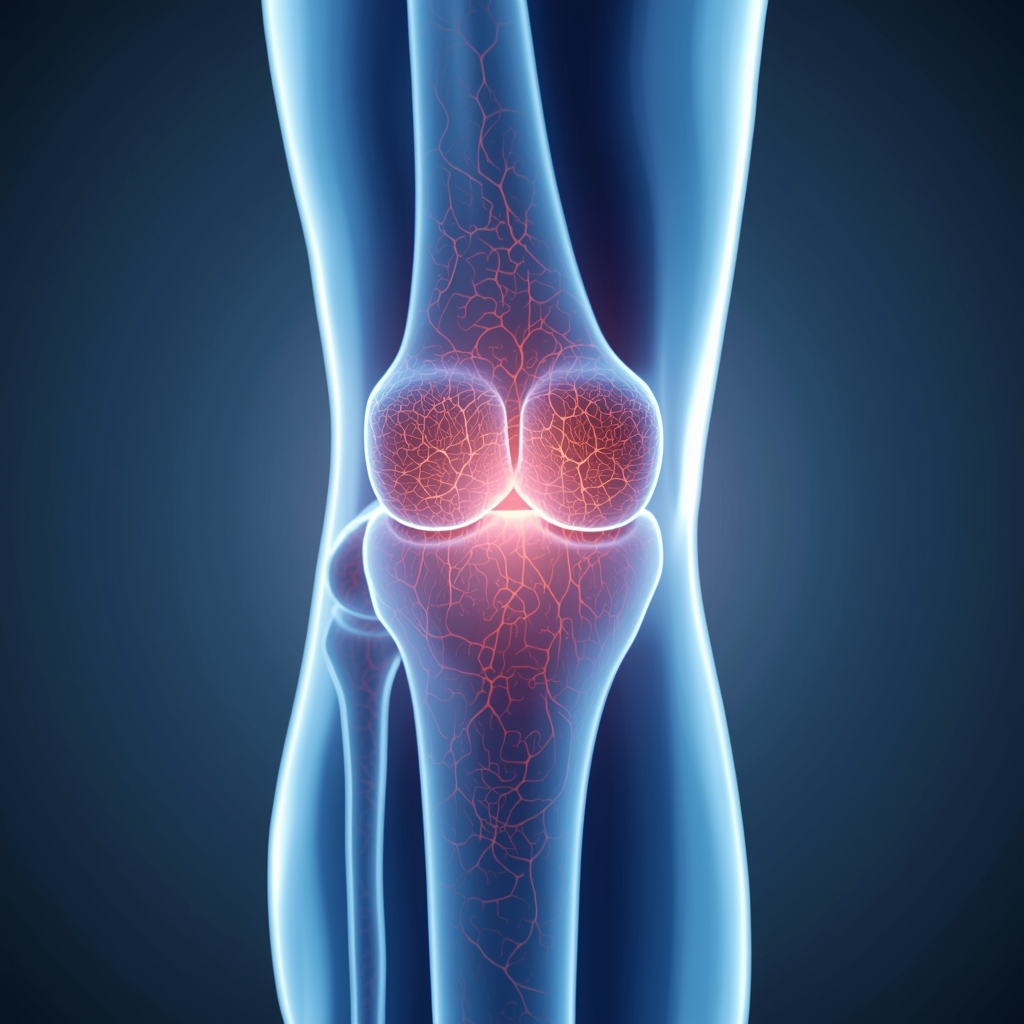
Cartilage Injuries and Their Impact on Joint Health
Articular cartilage injuries in joints, particularly the knee, are a significant cause of pain and mobility limitations. These injuries often result from trauma, such as falls during sports activities, and do not heal naturally. The damage increases the risk of osteoarthritis, a degenerative joint condition. Current treatments for cartilage defects are limited, prompting researchers to explore regenerative approaches. A study by the University of Basel and University Hospital Basel investigates the use of cartilage implants derived from nasal septum cells, offering a potential solution for complex cartilage injuries. The research focuses on improving the clinical efficacy of these implants through extended maturation periods, aiming to address the challenges of joint repair and degeneration.
Development of Nasal Septum-Derived Cartilage Implants
Researchers at the University of Basel and the University Hospital Basel have been developing a method to engineer cartilage implants using cells from the patient’s nasal septum. This approach involves extracting a small piece of nasal septum cartilage, culturing the cells in a laboratory on a scaffold made of soft fibers, and allowing them to proliferate. The resulting cartilage is then shaped and implanted into the knee joint. The nasal septum cells are chosen for their unique properties, including the ability to counteract joint inflammation. Previous studies have demonstrated promising results, suggesting that this method could provide a viable alternative for repairing damaged cartilage. The current study builds on this foundation by evaluating the impact of extended maturation periods on the implants’ effectiveness.
Clinical Trial Results on Maturation Periods
A clinical trial involving 98 participants across four countries compared two approaches to cartilage implantation. One group received implants that matured for only two days before being implanted, while the other group received implants that matured for two weeks. The longer maturation period allowed the tissue to develop characteristics similar to native cartilage. Participants were assessed for 24 months post-procedure using questionnaires to evaluate their well-being and knee functionality. Both groups showed improvement, but the group with more mature implants continued to show gains in the second year, surpassing the outcomes of the less mature group. These findings highlight the importance of maturation time in enhancing the clinical success of engineered cartilage implants.
Potential Applications for Osteoarthritis Treatment
The study’s results suggest that the method of using nasal septum-derived cartilage implants could be applicable to treating degenerated cartilage in osteoarthritis. The ability of the implants to improve functionality over time indicates their potential for long-term joint health management. While the trial focused on complex cartilage injuries, the findings may extend to broader musculoskeletal conditions. Researchers emphasize that the unique properties of nasal septum cells, such as their anti-inflammatory capabilities, contribute to the implants’ effectiveness. This approach could offer a regenerative alternative to traditional treatments, which often involve invasive procedures or limited efficacy. The study underscores the importance of optimizing implant maturation to achieve better patient outcomes.
Implications for Regenerative Medicine and Joint Repair
The research represents a significant advancement in regenerative medicine, particularly for joint repair. By leveraging the patient’s own cells, the method reduces the risk of immune rejection and promotes tissue integration. The extended maturation period appears to be a critical factor in enhancing the implants’ structural and functional properties. This study contributes to the growing body of evidence supporting cell-based therapies for musculoskeletal conditions. While further research is needed to confirm long-term safety and efficacy, the findings provide a foundation for future clinical applications. The collaboration between academic institutions and medical professionals highlights the potential of interdisciplinary approaches in addressing complex joint injuries and degenerative diseases.