
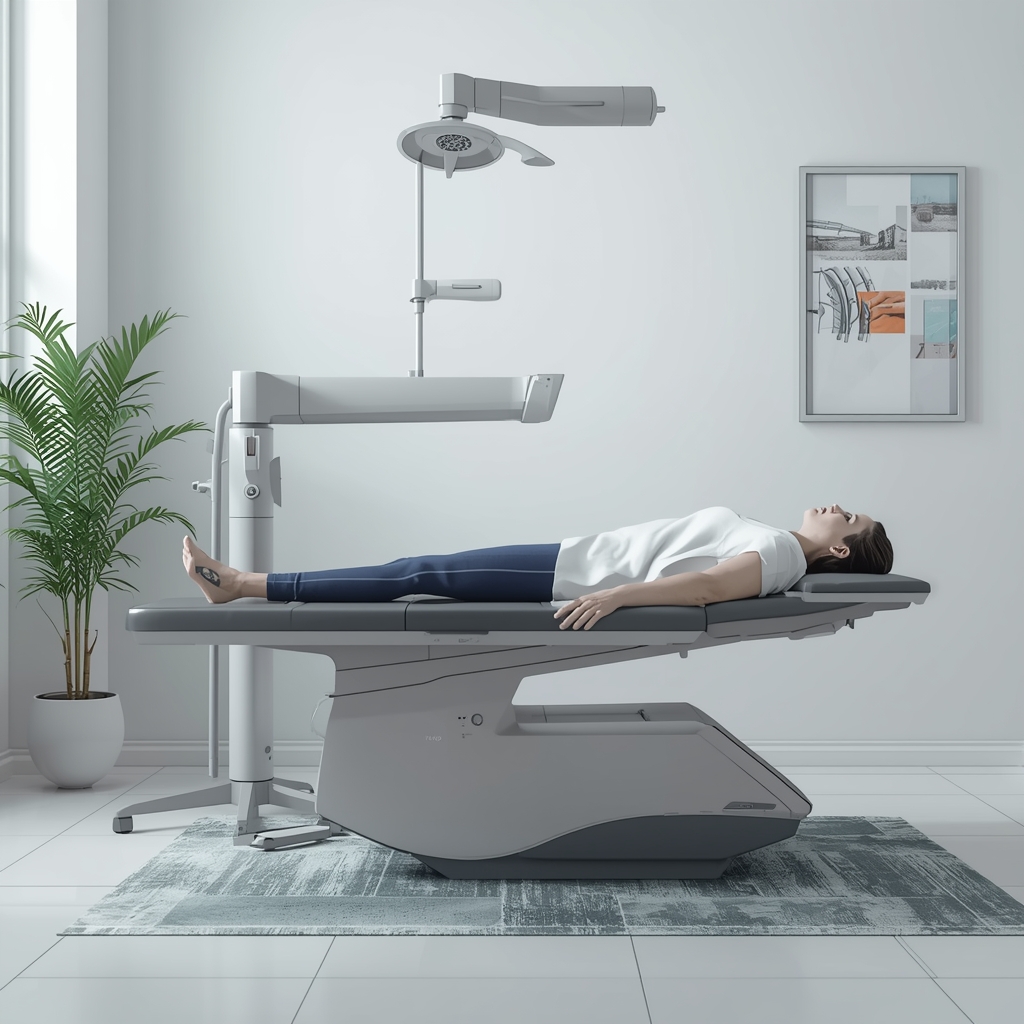
Procedure Overview and Study Findings
A minimally invasive technique targeting abnormal blood vessels in the knee has demonstrated significant potential for long-term pain relief in osteoarthritis patients. The procedure, known as genicular artery embolization, involves using a thin catheter to deliver microscopic particles into specific blood vessels, disrupting inflammation and abnormal vascular growth linked to chronic knee pain. A clinical study of 194 participants revealed that 80% experienced clinically meaningful pain reduction at the 12-month follow-up, with improvements in mobility lasting over a year. This approach offers an alternative to joint replacement surgery, which remains the standard for severe cases. Researchers emphasize that the treatment's effectiveness stems from addressing underlying vascular factors rather than directly repairing cartilage damage. The particles used in the procedure dissolve within hours, minimizing long-term risks associated with foreign materials in the body. The findings, published in the journal Radiology, highlight a novel strategy for managing osteoarthritis that could benefit patients who have exhausted conventional therapies or prefer to avoid surgical interventions.
Context of Knee Osteoarthritis and Treatment Challenges
Osteoarthritis is the most prevalent form of arthritis globally, affecting over 365 million adults according to the World Health Organization. The condition primarily involves the degeneration of cartilage, the protective tissue cushioning bone ends, but extends beyond structural damage. Inflammation within the joint, changes in surrounding tissues, and heightened nerve sensitivity contribute to persistent discomfort. Current treatments often focus on symptom management through medications, physical therapy, or corticosteroid injections, with joint replacement reserved for advanced cases. However, surgery carries risks such as infection, implant failure, and lengthy recovery periods. For many patients, these options are insufficient or undesirable, creating a need for alternative therapies. The genicular artery embolization study addresses this gap by targeting vascular mechanisms that exacerbate pain, offering a non-invasive option that may delay or eliminate the need for surgical intervention.
Scientific Basis and Mechanism of Action
The treatment's efficacy relies on its ability to modulate the vascular system within the knee joint. Osteoarthritis is associated with abnormal blood vessel growth and increased inflammation, which can worsen pain and accelerate cartilage degradation. By selectively blocking these vessels, the procedure aims to reduce inflammatory signals and normalize blood flow. The microscopic particles used in the process are designed to dissolve rapidly, minimizing the risk of long-term vascular complications. Researchers note that this approach differs from traditional treatments that focus solely on pain suppression or structural repair. Instead, it addresses the complex interplay between vascular changes and pain pathways, potentially offering more sustained relief. The study's 12-month follow-up data supports this hypothesis, showing that the majority of patients maintained significant improvements without the need for additional interventions. This mechanism aligns with growing interest in vascular-targeted therapies for musculoskeletal conditions, expanding the treatment landscape for chronic joint diseases.
Implications for Patient Care and Clinical Practice
The emergence of genicular artery embolization as a viable treatment option represents a shift in managing knee osteoarthritis. For patients who have not responded to conventional therapies or who face surgical risks, this procedure provides a less invasive alternative with measurable benefits. Clinicians may consider it as part of a multidisciplinary approach, combining vascular intervention with physical rehabilitation and pain management strategies. The treatment's ability to preserve joint structure while alleviating symptoms could reduce the burden on healthcare systems by delaying the need for joint replacements. However, further research is needed to confirm long-term outcomes and identify optimal patient selection criteria. As the technique gains traction, it may influence guidelines for osteoarthritis management, emphasizing the importance of addressing vascular factors in chronic joint diseases. This development underscores the evolving nature of musculoskeletal care, where innovations in interventional radiology contribute to more personalized treatment plans.
Broader Impact on Musculoskeletal Health Research
The study's findings contribute to a growing body of evidence supporting vascular-targeted therapies for musculoskeletal conditions. By demonstrating the feasibility of modulating blood flow to alleviate pain, the research opens new avenues for exploring similar approaches in other joints or inflammatory disorders. Investigators highlight the potential for this technique to inform future treatments that address the biological complexity of osteoarthritis rather than just its symptoms. The procedure's minimally invasive nature also aligns with trends in modern medicine toward reducing surgical interventions and improving patient recovery times. As more data becomes available, healthcare providers may integrate this method into standard care protocols, expanding options for patients seeking non-surgical solutions. This advancement reflects the ongoing collaboration between radiology, orthopedics, and pain management fields, driving progress in treating chronic musculoskeletal conditions through innovative, patient-centered approaches.