
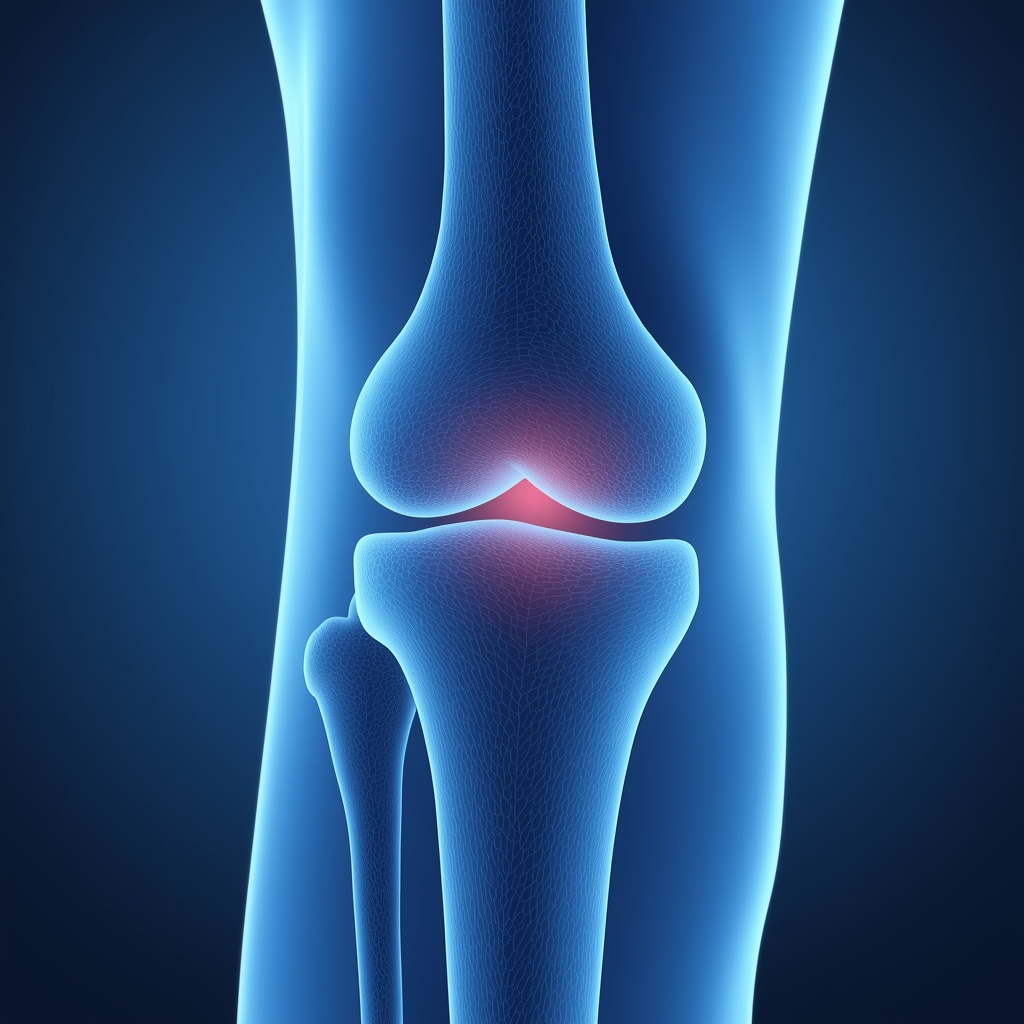
Breakthrough in Cartilage Regeneration Research
Scientists have discovered a method to restore cartilage in aging knee joints by targeting a protein that accumulates with age. In experiments with mice, this approach reversed natural cartilage loss and protected against arthritis development following injuries similar to human ACL tears. Human tissue samples from knee replacement surgeries also demonstrated a response to the treatment, showing signs of new cartilage production. These findings suggest that cartilage damage from aging or arthritis may be more repairable than previously believed. Researchers speculate that if this strategy proves effective in humans, it could lead to oral medications or injections capable of regenerating cartilage, potentially reducing the need for joint replacement surgeries.
Understanding Osteoarthritis and Current Treatment Limitations
Osteoarthritis is a degenerative joint condition characterized by progressive cartilage breakdown, causing pain, swelling, and mobility issues. It affects approximately 20% of U.S. adults and contributes to $65 billion in annual healthcare costs. Current treatments primarily focus on symptom management, with surgical joint replacement being the only option for severe cases. There is no proven drug to slow or reverse the disease. The Stanford Medicine-led study investigated a protein called 15-PGDH, termed a gerozyme due to its age-related increase and role in tissue function decline. By blocking this protein, researchers observed cartilage restoration in animal models and human tissue samples, offering a potential new therapeutic avenue.
Focus on the 15-PGDH Protein
The study centered on 15-PGDH, an enzyme whose levels rise with age and contribute to tissue degradation. Researchers found that inhibiting this protein in mice not only halted cartilage loss but also promoted regeneration. The treatment protected against arthritis development after simulated knee injuries, suggesting a dual benefit for both age-related and trauma-induced joint damage. Human cartilage samples from knee replacements responded to the intervention by initiating new cartilage production. These results indicate that the body's capacity for cartilage repair may be greater than previously understood, opening possibilities for therapies targeting the underlying mechanisms of osteoarthritis rather than just its symptoms.
Potential Implications for Joint Health
If validated in human trials, this approach could transform osteoarthritis treatment by addressing its root causes rather than merely managing symptoms. The research highlights the potential for developing non-surgical interventions, such as oral medications or injections, to regenerate cartilage and delay or avoid joint replacement procedures. While the study focused on knee joints, the findings may have broader implications for other joints affected by degenerative conditions. The ability to repair cartilage could reduce the economic and physical burden of osteoarthritis, offering patients a less invasive alternative to surgery. However, further research is needed to confirm these results in human populations and to establish the safety and efficacy of such treatments.
Future Research and Clinical Applications
The next steps involve translating these findings into clinical applications through human trials. Researchers aim to determine the effectiveness of 15-PGDH inhibition in human patients and explore the optimal delivery methods for potential therapies. While the study demonstrates promising results in mice and human tissue, the transition to clinical practice requires rigorous testing. The development of a treatment targeting this protein could provide a significant advancement in musculoskeletal care, offering hope for millions affected by osteoarthritis. Continued investigation into the mechanisms of cartilage regeneration may also uncover additional therapeutic targets, further expanding options for joint health management.