
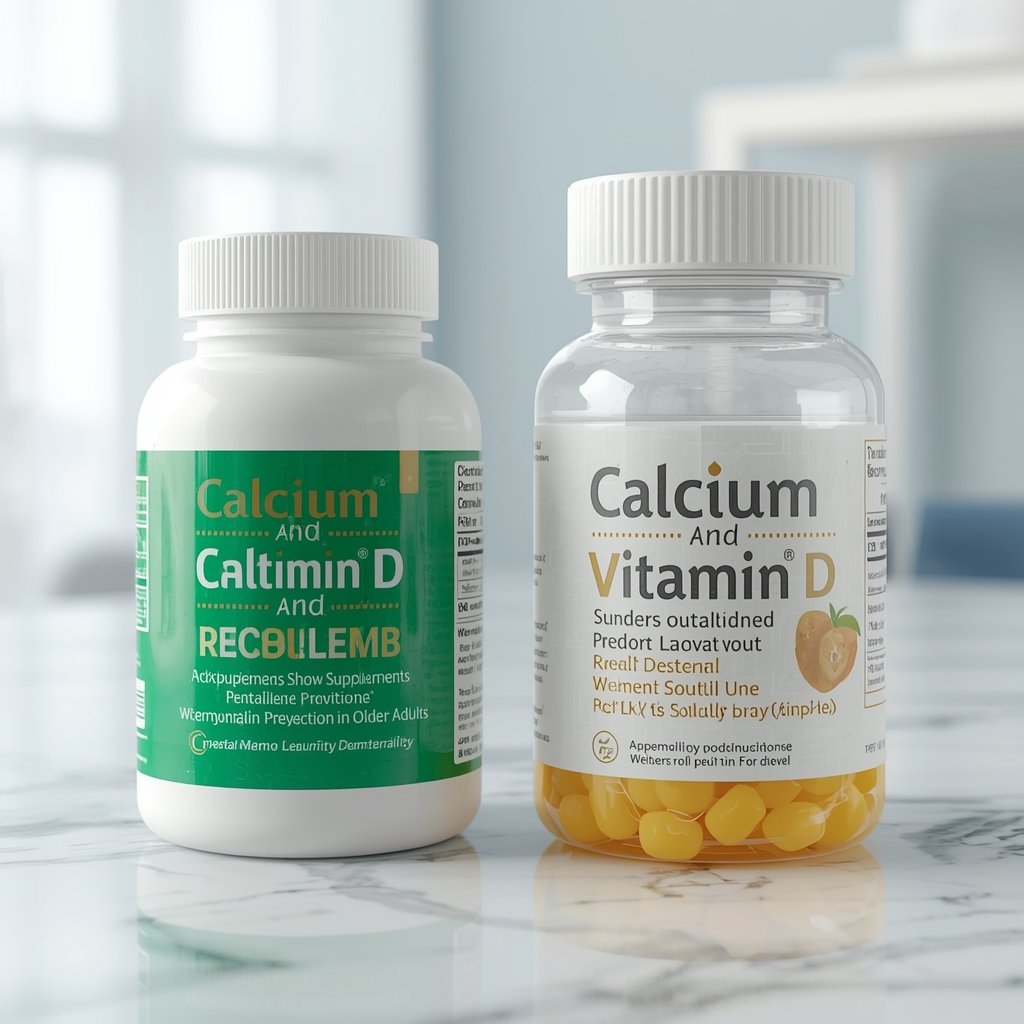
Review Highlights Limited Efficacy of Calcium and Vitamin D Supplements
A major review published in The BMJ challenges the widespread belief that calcium and vitamin D supplements significantly improve bone health in older adults. The analysis, which examined 69 randomized controlled trials involving 153,902 participants, found that these supplements provide little to no meaningful protection against falls or fractures. Falls are a critical public health concern, with nearly one in three adults aged 65 and older experiencing a fall annually. Such incidents can lead to fractures, chronic pain, loss of independence, and reduced quality of life. Despite the review’s findings, clinicians and guidelines continue to recommend these supplements for bone health, highlighting a gap between current evidence and clinical practice.
Historical Context and Nutritional Role
Calcium and vitamin D have long been associated with bone health, as calcium forms the structural basis of bones and vitamin D aids in calcium absorption and bone metabolism. However, prior evidence reviews have shown that taking either supplement alone does not consistently reduce fracture risk. When combined, results have been mixed, and uncertainty remains about whether vitamin D alone can prevent falls. Despite these unresolved questions, vitamin D supplements—often paired with calcium—remain widely prescribed by healthcare providers and endorsed by regulatory agencies. This persistent recommendation underscores the complexity of translating research findings into clinical guidelines.
Methodology of the Large-Scale Analysis
The Canadian-led study aimed to clarify the effectiveness of calcium and vitamin D by analyzing data from 69 randomized trials. These trials included a diverse population of adults, with a focus on older individuals at higher risk of falls and fractures. The researchers sought to address inconsistencies in previous studies, particularly regarding the combined effects of the two supplements. By aggregating results from over 150,000 participants, the review provides one of the most comprehensive assessments of these supplements’ impact on bone health. The findings highlight the need for further research to determine whether specific subgroups might benefit from these interventions, despite the overall lack of evidence for general populations.
Public Health Implications and Clinical Recommendations
The study’s results raise important questions about the current use of calcium and vitamin D supplements in older adults. While these nutrients are essential for bone health, the review suggests that their routine supplementation may not yield significant protective benefits against falls or fractures. This calls into question the widespread prescribing practices and public health recommendations that continue to promote their use. Healthcare providers must balance the potential risks of over-reliance on supplements with the need for alternative strategies to prevent falls and maintain bone density. The findings also emphasize the importance of individualized care, as some patients may still derive benefits from these supplements based on their unique health profiles.
Future Directions and Research Needs
Despite the review’s conclusions, the authors note that further research is needed to explore whether specific populations, such as those with low baseline levels of vitamin D or calcium, might still benefit from supplementation. The study also highlights the importance of investigating non-pharmacological interventions, such as exercise and dietary modifications, as more effective strategies for fall and fracture prevention. While the evidence does not support routine use of calcium and vitamin D supplements for most older adults, it does not entirely rule out their potential in targeted cases. Continued research will be critical to refining guidelines and ensuring that recommendations align with the latest scientific evidence.