
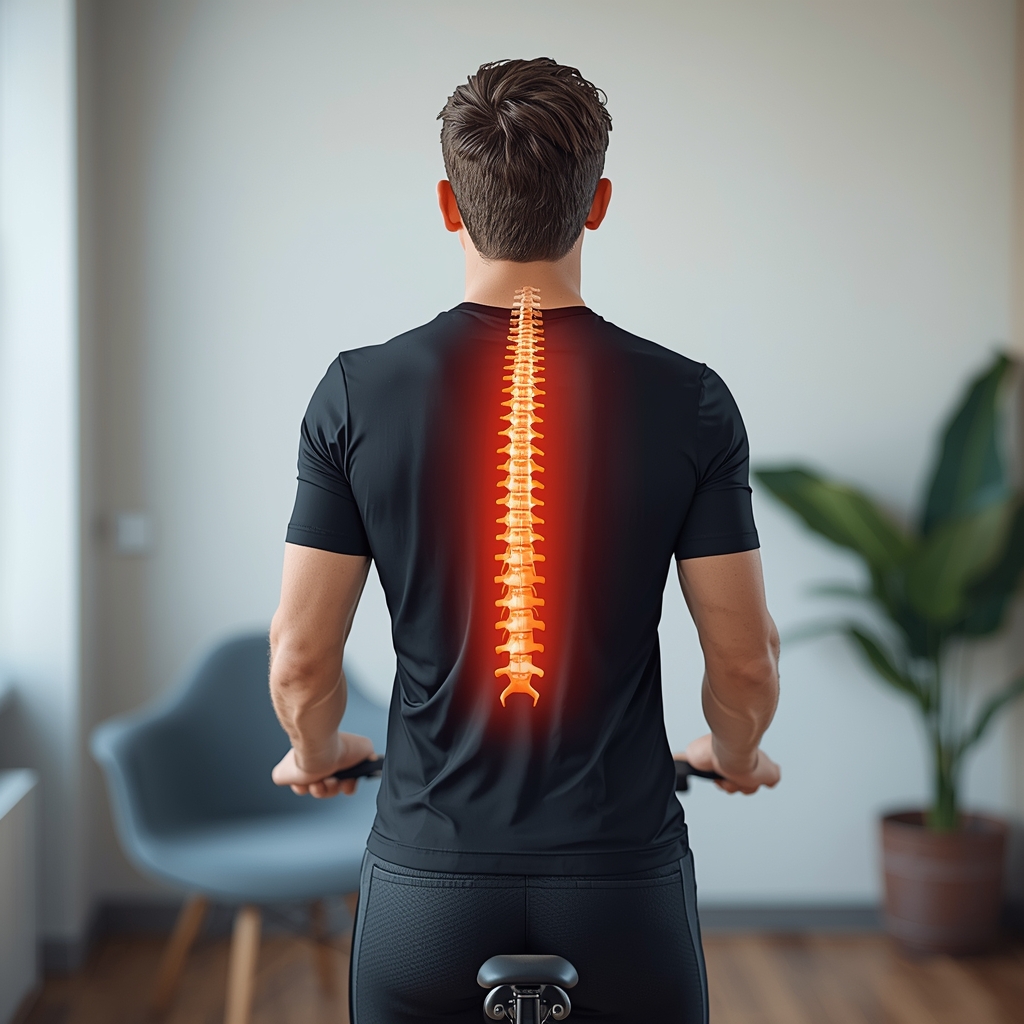
Understanding Thoracic Spine Restrictions in Cyclists
Thoracic spine restrictions are common among cyclists due to prolonged periods of hunched posture over handlebars. This can lead to upper back pain, reduced mobility, and discomfort during long rides. The thoracic spine, located between the cervical and lumbar regions, plays a crucial role in supporting the rib cage and facilitating movement. When restricted, it may cause muscle tension, joint stiffness, and nerve irritation. Cyclists often experience these issues from repetitive motions and static positioning, making it essential to address the root causes through targeted interventions. A chiropractor can assess individual needs and recommend strategies to restore balance and function.
Spinal Adjustments for Thoracic Restrictions
Spinal adjustments, such as thoracic manipulation, are commonly used to alleviate restrictions in the upper back. These techniques involve controlled, precise movements to realign the vertebrae and improve joint mobility. For cyclists, adjustments may focus on the mid-back region to relieve pressure on surrounding muscles and nerves. Techniques like the Gonstead or Diversified methods are often employed, depending on the patient’s condition. By restoring proper spinal mechanics, adjustments can reduce pain, enhance posture, and improve overall range of motion. It’s important to note that these procedures should always be performed by a licensed chiropractor to ensure safety and effectiveness.
Soft Tissue Techniques for Upper Back Relief
Soft tissue techniques, including Active Release Technique (ART) and Graston, target muscle tension and scar tissue that contribute to thoracic restrictions. These methods involve applying pressure to specific areas to break down adhesions and promote healing. Cyclists may benefit from these therapies to address tightness in the rhomboids, trapezius, and other upper back muscles. By improving muscle flexibility and blood flow, soft tissue work can reduce pain and enhance spinal function. When combined with spinal adjustments, these techniques offer a comprehensive approach to managing upper back discomfort. A chiropractor can tailor the treatment plan to the individual’s needs and activity level.
Addressing Posture and Biomechanics in Cyclists
Cyclists often develop postural imbalances due to the forward-leaning position required during riding. This can lead to overuse of certain muscles and underuse of others, exacerbating thoracic spine restrictions. Chiropractors may incorporate posture correction exercises and ergonomic assessments to address these issues. Techniques such as corrective exercises and muscle activation training can help rebalance the body and reduce strain on the upper back. Additionally, adjustments to bike fit—like handlebar height and saddle position—may alleviate pressure on the thoracic spine. A holistic approach that combines manual therapy with lifestyle modifications is often most effective for long-term relief.
Integrating Adjustments with Other Therapies
Combining spinal adjustments with other therapies can enhance outcomes for cyclists with upper back pain. Physical therapy, for example, may include stretching and strengthening exercises to support spinal stability. Massage therapy can further relax tight muscles and improve circulation. Chiropractors may also recommend heat or cold therapy to manage inflammation and pain. For cyclists, a multidisciplinary approach ensures that both structural and functional aspects of the condition are addressed. It’s crucial to work with a qualified provider to create a personalized plan that aligns with individual goals and activity levels.
Consulting a Chiropractor for Personalized Care
Each cyclist’s experience with thoracic spine restrictions is unique, requiring a tailored approach to treatment. A chiropractor can conduct a thorough evaluation to identify specific restrictions and develop a customized care plan. This may include a combination of adjustments, soft tissue work, and lifestyle recommendations. Open communication with the chiropractor is essential to address concerns and track progress. While general strategies can provide guidance, professional consultation ensures safe and effective care. By prioritizing regular checkups and proactive management, cyclists can maintain spinal health and continue enjoying their sport with reduced discomfort.













