
Understanding Patellofemoral Pain Syndrome
Patellofemoral pain syndrome (PFPS) is a common condition characterized by pain around or behind the kneecap, often triggered by activities like running, climbing stairs, or sitting for extended periods. It arises from misalignment, overuse, or weakness in the muscles surrounding the knee. While not life-threatening, PFPS can limit mobility and affect daily life. Chiropractic care offers non-invasive options to address underlying biomechanical issues, focusing on alignment and muscle balance. This article explores how adjustments and targeted exercises may help alleviate symptoms, emphasizing the importance of professional guidance to tailor approaches to individual needs.
Chiropractic Adjustments for PFPS
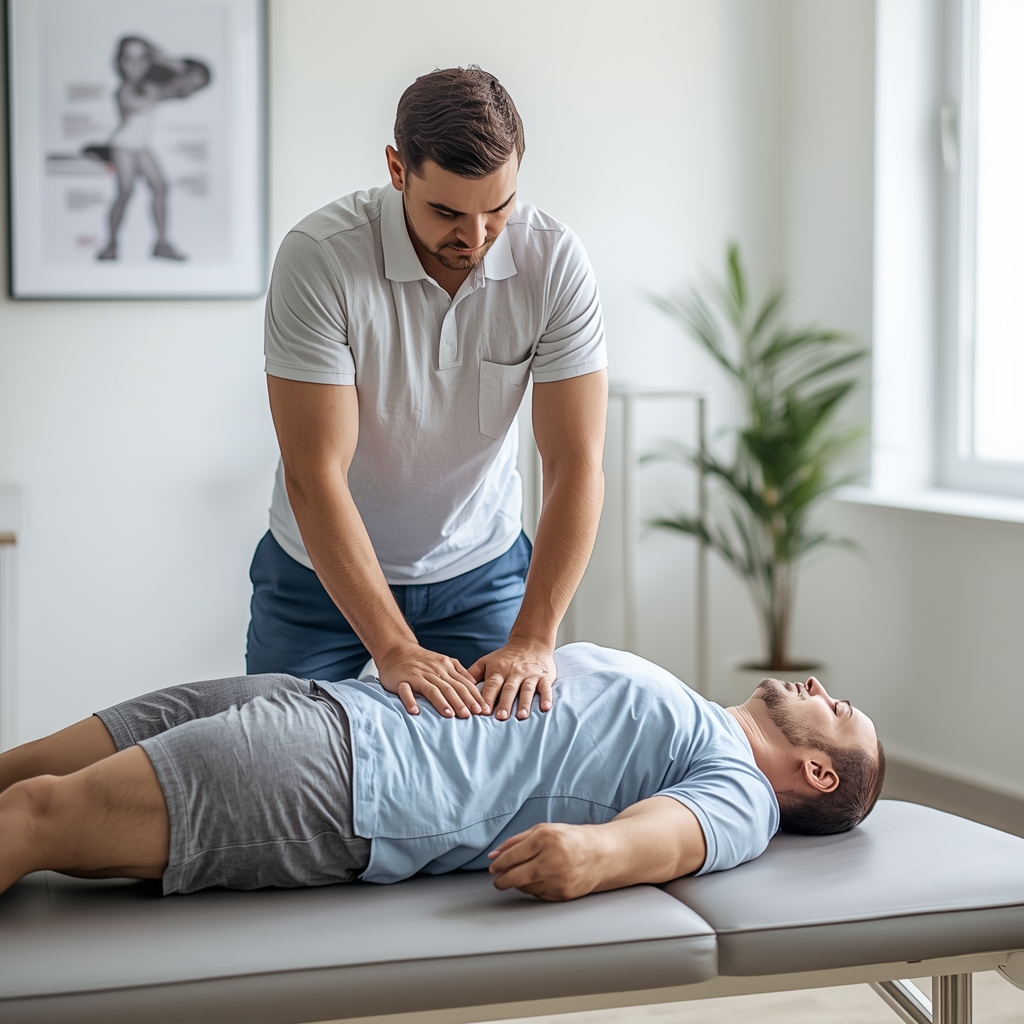
Chiropractic adjustments aim to restore proper joint function and reduce stress on the patellofemoral joint. By realigning the pelvis, hips, or lower extremities, adjustments may alleviate pressure on the kneecap and improve movement patterns. Techniques like spinal manipulation or extremity adjustments can address compensatory postures that contribute to PFPS. While research on direct effects on PFPS is limited, many patients report reduced discomfort after sessions. However, these interventions should complement, not replace, other treatments. A chiropractor can assess your unique situation and determine if adjustments are appropriate as part of a broader care plan.
Strengthening Exercises for Knee Stability
Strengthening the muscles around the knee, particularly the quadriceps, hamstrings, and hip stabilizers, is crucial for managing PFPS. Exercises like straight-leg raises, clamshells, and wall sits help build strength and improve joint alignment. Low-impact activities such as swimming or cycling can also enhance endurance without stressing the knee. Proper form is essential to avoid exacerbating symptoms. A chiropractor or physical therapist can design a personalized program, ensuring exercises target weak areas without overloading the patellofemoral joint. Consistency and gradual progression are key to long-term relief and preventing recurrence.
Combining Adjustments and Exercise
A holistic approach often yields the best results for PFPS. Chiropractic adjustments may address structural imbalances, while strengthening exercises build the musculature needed for joint stability. For example, correcting pelvic tilt through adjustments could reduce knee strain, making exercises more effective. Patients frequently report improved outcomes when both methods are used together, as they tackle different aspects of the condition. However, timing and intensity matter—overexertion without proper alignment can worsen symptoms. A qualified provider can create a coordinated plan, ensuring adjustments and exercises work in harmony to promote healing and functional recovery.
Additional Therapies and Considerations
Beyond adjustments and exercise, other therapies may support PFPS management. Soft tissue techniques, such as myofascial release, can ease tension in the iliotibial band or quadriceps, reducing knee irritation. Orthotics or braces might also be recommended to correct gait issues. Lifestyle factors, including footwear and activity modification, play a role in symptom prevention. While chiropractic care is a valuable tool, it’s important to address all contributing factors. Always consult a healthcare professional before starting new treatments, as individual needs vary. A collaborative approach ensures comprehensive care tailored to your specific condition and goals.
When to Seek Professional Help
If knee pain persists despite self-care efforts, consulting a chiropractor or orthopedic specialist is advisable. Persistent PFPS may indicate underlying issues requiring targeted intervention. A chiropractor can evaluate your posture, gait, and joint mobility to identify root causes and develop a treatment strategy. They may also collaborate with physical therapists or other providers for a multidisciplinary approach. Early intervention often leads to faster recovery and better long-term outcomes. Remember, while general advice can guide you, a personalized assessment is essential for effective care. Prioritize professional guidance to navigate your path to relief and improved knee function.












