
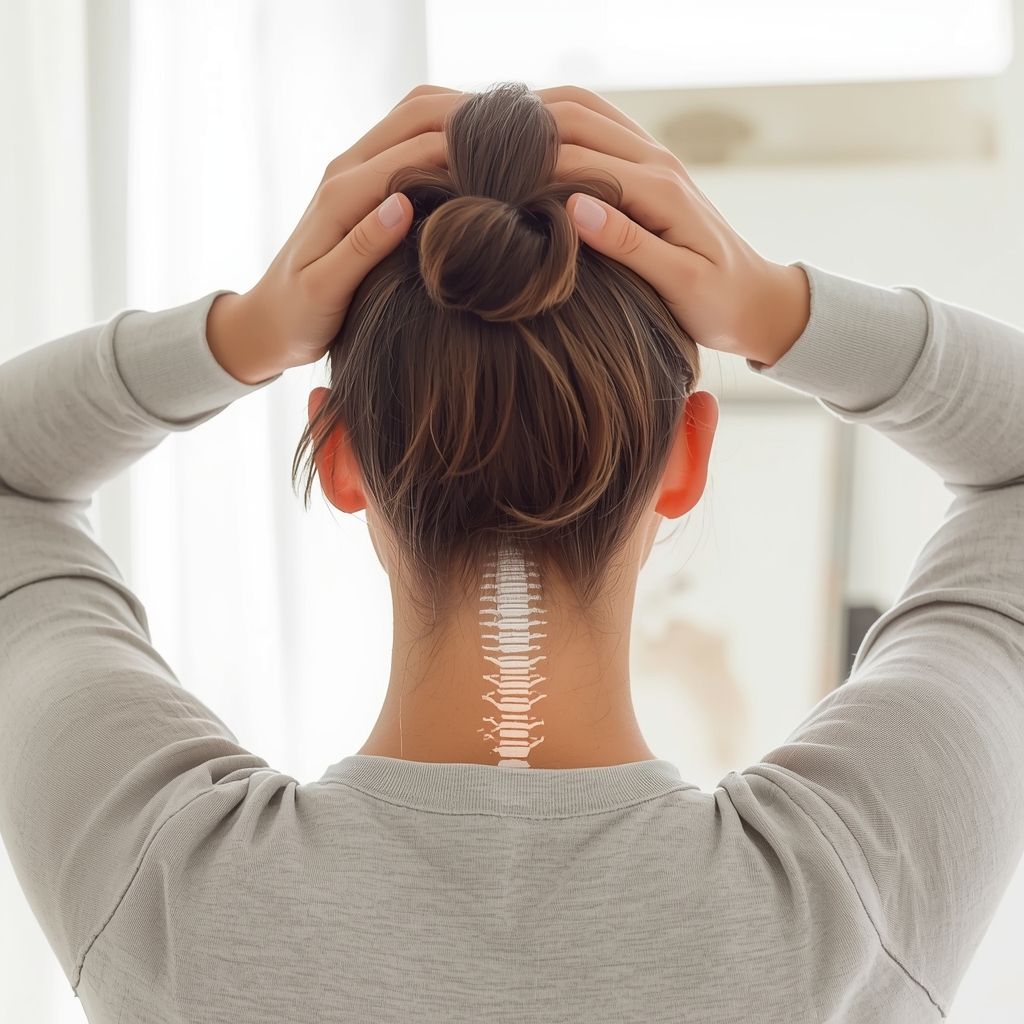
Understanding Cervical Facet Joint Dysfunction and Vertigo
Cervical facet joint dysfunction occurs when the small joints in the neck become inflamed or misaligned, potentially disrupting normal movement and nerve function. These joints, located between the vertebrae, play a critical role in spinal stability and mobility. When affected, they may contribute to symptoms like neck pain, stiffness, and, in some cases, vertigo. The connection between the cervical spine and the vestibular system—responsible for balance—suggests that misalignments or inflammation in the neck could interfere with the brain’s ability to process spatial orientation. While not all vertigo cases stem from cervical issues, this link highlights the importance of considering spinal health in managing dizziness. Understanding this relationship helps guide treatment approaches that address both structural and neurological factors.
How Cervical Spine Adjustments May Help
Chiropractic adjustments aim to restore proper alignment and function to the cervical spine. By gently manipulating the vertebrae, these techniques may reduce pressure on nerves and joints, potentially alleviating symptoms linked to facet joint dysfunction. Some practitioners suggest that realigning the neck can improve blood flow and nerve signaling, which might indirectly support the vestibular system. However, the effectiveness of adjustments for vertigo varies depending on the individual’s condition and the root cause of their symptoms. While many patients report relief, it is essential to approach this treatment as part of a broader strategy. A qualified chiropractor can assess whether adjustments are appropriate and how they might complement other therapies.
Vestibular Rehabilitation Exercises for Vertigo
Vestibular rehabilitation therapy (VRT) involves specific exercises designed to retrain the brain to compensate for balance disruptions. These exercises, often guided by a physical therapist, may include movements like the Epley maneuver, Brandt-Daroff exercises, and gaze stabilization techniques. For vertigo linked to cervical issues, VRT can help the body adapt to changes in spatial orientation caused by neck dysfunction. By strengthening the connection between the vestibular system and visual input, these exercises may reduce dizziness and improve stability. While VRT is commonly used for inner ear-related vertigo, its application for cervical causes is less studied. Patients often find it beneficial when combined with other interventions, but results depend on consistent practice and professional guidance.
Combining Adjustments with Vestibular Therapy
A holistic approach that integrates cervical spine adjustments with vestibular rehabilitation may offer more comprehensive relief for vertigo caused by facet joint dysfunction. Adjustments can address structural imbalances, while VRT targets the neurological aspects of dizziness. This dual strategy aims to reduce both mechanical stress on the neck and the brain’s reliance on faulty balance signals. However, the optimal combination and sequence of treatments vary by individual. Some patients may benefit from starting with adjustments to alleviate immediate discomfort, followed by VRT to build long-term stability. Others might require a more gradual, coordinated plan. A chiropractor or physical therapist can help determine the most suitable approach based on a thorough evaluation of the patient’s symptoms and medical history.
Considerations and Safety
While cervical adjustments and vestibular exercises are generally safe when performed by trained professionals, they are not without risks. Improper technique during spinal manipulation could worsen symptoms or cause unintended harm. Similarly, overexertion during VRT may temporarily increase dizziness. It is crucial to work with qualified providers who understand the complexities of cervical spine and vestibular interactions. Patients should also communicate openly about their symptoms and any pre-existing conditions. Self-treatment or unverified methods are not recommended, as they may delay effective care. A personalized plan, developed in collaboration with a healthcare provider, ensures that interventions are both safe and tailored to the individual’s needs.
When to Seek Professional Help
If vertigo persists or worsens, it is important to consult a healthcare professional, such as a chiropractor, neurologist, or physical therapist. These experts can conduct a thorough assessment to identify the underlying causes of dizziness and recommend appropriate interventions. For cases linked to cervical facet joint dysfunction, a chiropractor may use diagnostic tools and patient history to determine if adjustments or other therapies are suitable. Similarly, a physical therapist can design a vestibular rehabilitation program tailored to the individual’s condition. Early intervention often leads to better outcomes, as addressing symptoms promptly can prevent complications. Remember, this article provides general information and should not replace professional medical advice. Always seek guidance from a qualified provider for personalized care.











