
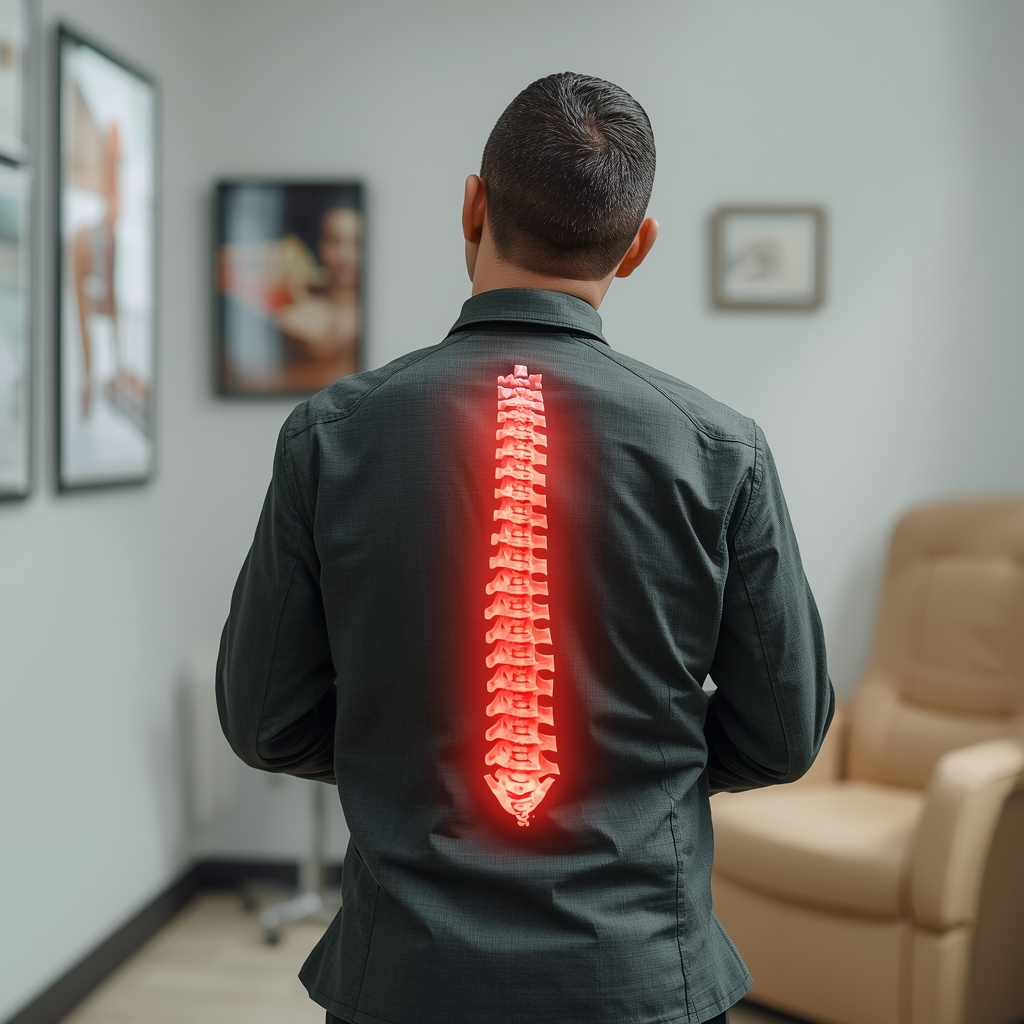
Understanding Combat-Related Spinal Injuries in Veterans
Combat environments often expose service members to high-impact trauma, leading to spinal injuries such as herniated discs, fractures, or nerve damage. These injuries can cause chronic pain, reduced mobility, and long-term functional limitations. Veterans may also experience secondary complications like muscle weakness or post-traumatic stress, compounding their physical challenges. Chiropractic care offers a non-invasive approach to address these issues by focusing on spinal alignment, nerve function, and musculoskeletal health. Unlike traditional medical treatments that prioritize medication or surgery, chiropractic care emphasizes natural healing and holistic support, making it a valuable option for veterans seeking long-term relief.
How Chiropractic Care Supports Recovery
Chiropractors use manual adjustments and soft tissue therapies to reduce pain, improve range of motion, and restore proper spinal function. For veterans with combat-related injuries, these techniques can alleviate pressure on nerves, enhance blood flow, and promote tissue repair. Regular sessions may also help prevent secondary complications, such as muscle atrophy or joint stiffness, by maintaining mobility. Chiropractic care is often integrated with other therapies, like physical rehabilitation or counseling, to create a comprehensive recovery plan. By addressing both physical and neurological aspects of injury, chiropractors aim to improve overall quality of life for veterans navigating the aftermath of combat.
Complementary Role in Veterans’ Healthcare
Chiropractic care is not a substitute for conventional medical treatment but serves as a complementary option for veterans managing chronic pain or post-injury recovery. It can reduce reliance on pain medications, including opioids, by offering drug-free alternatives. Many veterans report improved sleep, reduced anxiety, and better emotional well-being through chiropractic interventions. However, it is crucial for patients to work with licensed professionals who understand the complexities of combat-related injuries. A chiropractor can collaborate with other healthcare providers to ensure a coordinated approach, tailoring care to individual needs while prioritizing safety and effectiveness.
Addressing Unique Challenges Through Personalized Care
Each veteran’s injury and recovery journey is unique, requiring customized chiropractic strategies. For example, those with spinal cord injuries may benefit from specialized techniques to manage associated pain or prevent complications. Chiropractors may also address issues like postural imbalances or gait abnormalities, which are common after prolonged trauma or medical treatments. By focusing on the whole body rather than just the injury site, chiropractic care can enhance overall resilience. Veterans are encouraged to communicate their specific symptoms and goals to their chiropractor, ensuring treatments align with their recovery objectives and lifestyle.
Accessing Chiropractic Services for Veterans
Many veterans qualify for healthcare through the Department of Veterans Affairs (VA), which may include chiropractic services. However, availability can vary by location and facility. Veterans should inquire about coverage and seek providers experienced in treating combat-related conditions. Private options are also available, with some chiropractors offering military discounts or sliding-scale fees. It is essential to verify a chiropractor’s credentials and experience, ensuring they are licensed and familiar with the specific needs of veterans. By exploring these resources, veterans can access care that supports their physical and emotional recovery.
Conclusion: A Holistic Approach to Veteran Wellness
Chiropractic care plays a vital role in supporting veterans with combat-related spinal injuries by addressing pain, improving mobility, and enhancing overall well-being. Its non-invasive, personalized approach aligns with the growing emphasis on holistic healthcare for military personnel. While not a standalone solution, it complements traditional treatments and empowers veterans to take an active role in their recovery. By fostering collaboration between chiropractors and other healthcare providers, veterans can achieve more comprehensive outcomes. For those considering chiropractic care, consulting a qualified professional is the first step toward a tailored, effective treatment plan.













